

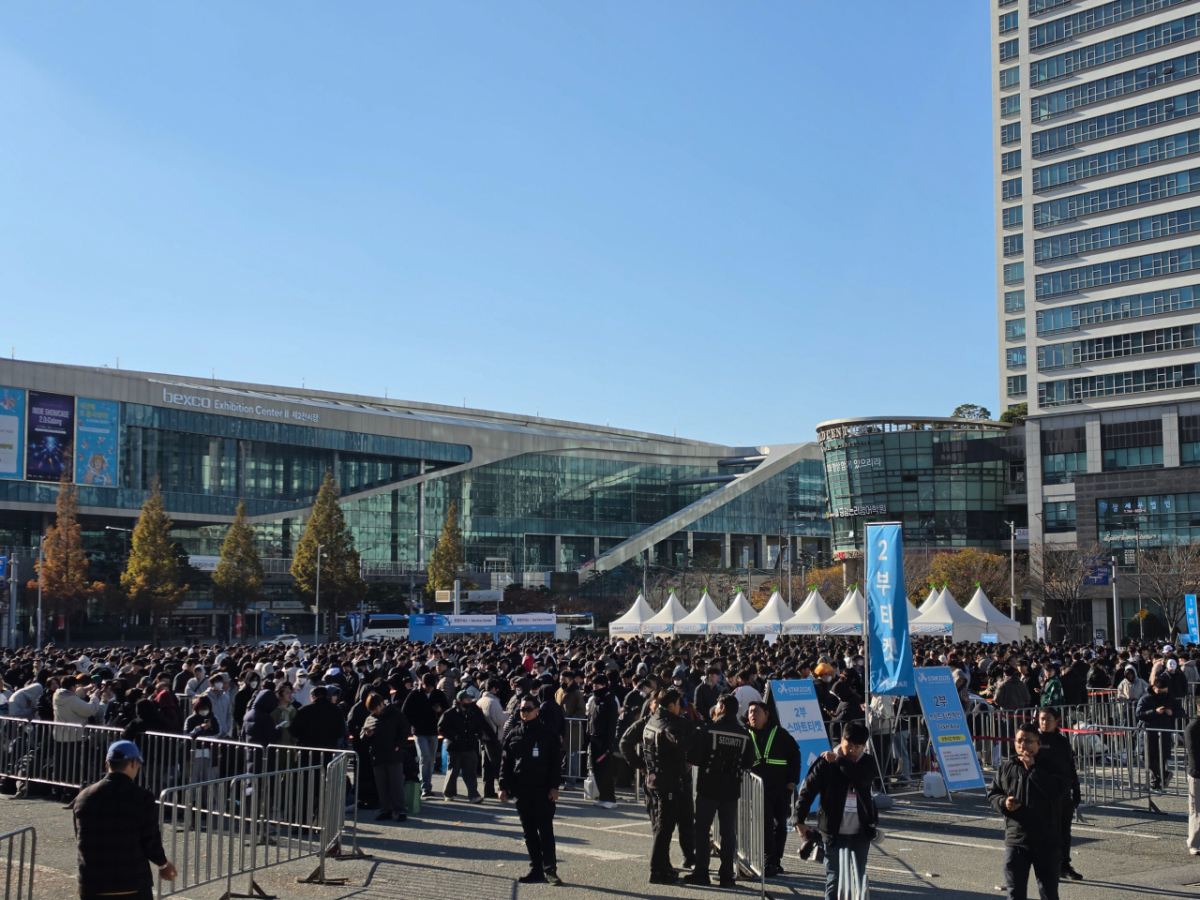
"I started waiting at 8 p.m. yesterday evening to get in at 10 a.m. The weather is cold, but sharing snacks with my friends makes the time fly by."
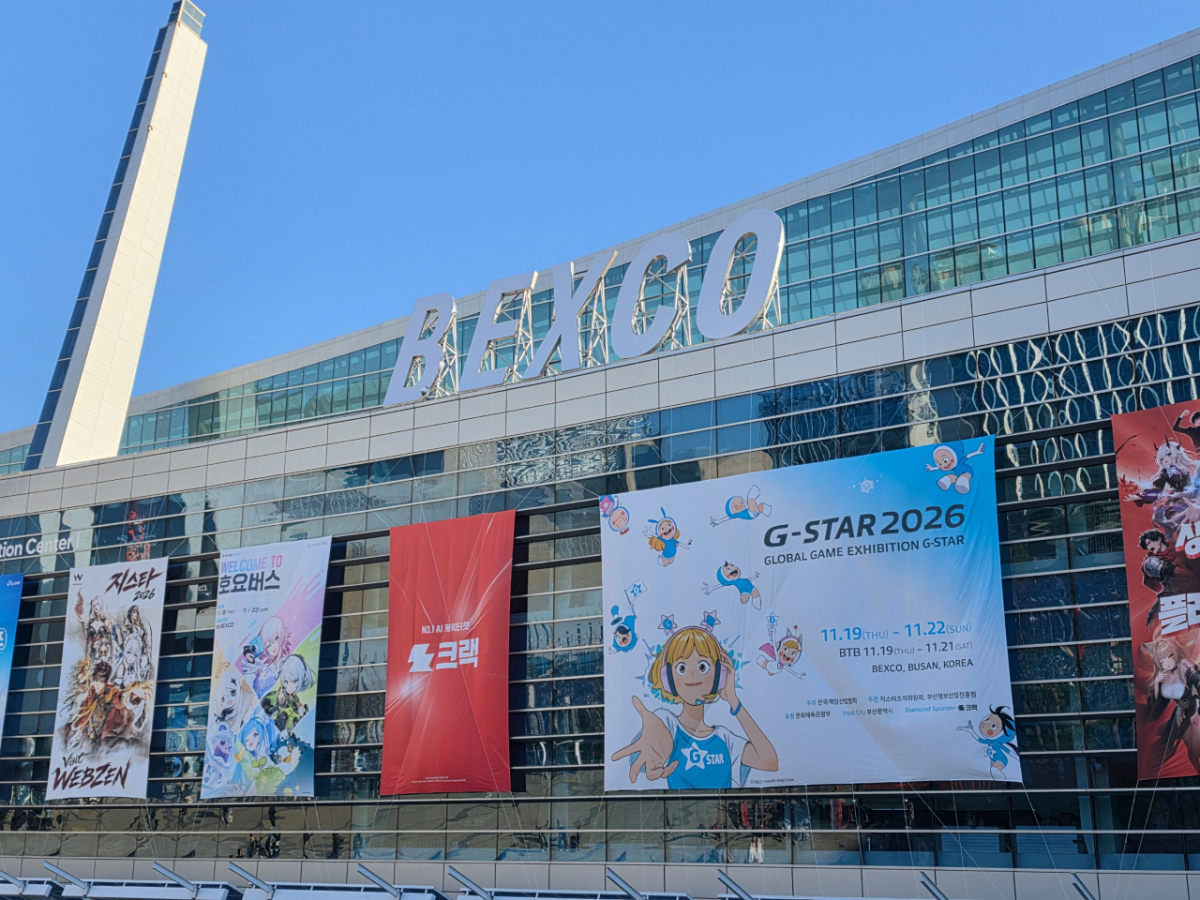
Wolf (nickname), a man in his 20s, was standing at the front of the entry queue for "G-Star 2026" around 9:30 a.m. on Friday. Wolf and his group had also spent the night in the same spot the previous day.
Despite wearing thick padded jackets and holding hand warmers in the chilly weather that dropped to 4°C, their cheeks were flushed bright red. This marks their ninth consecutive year attending G-Star.
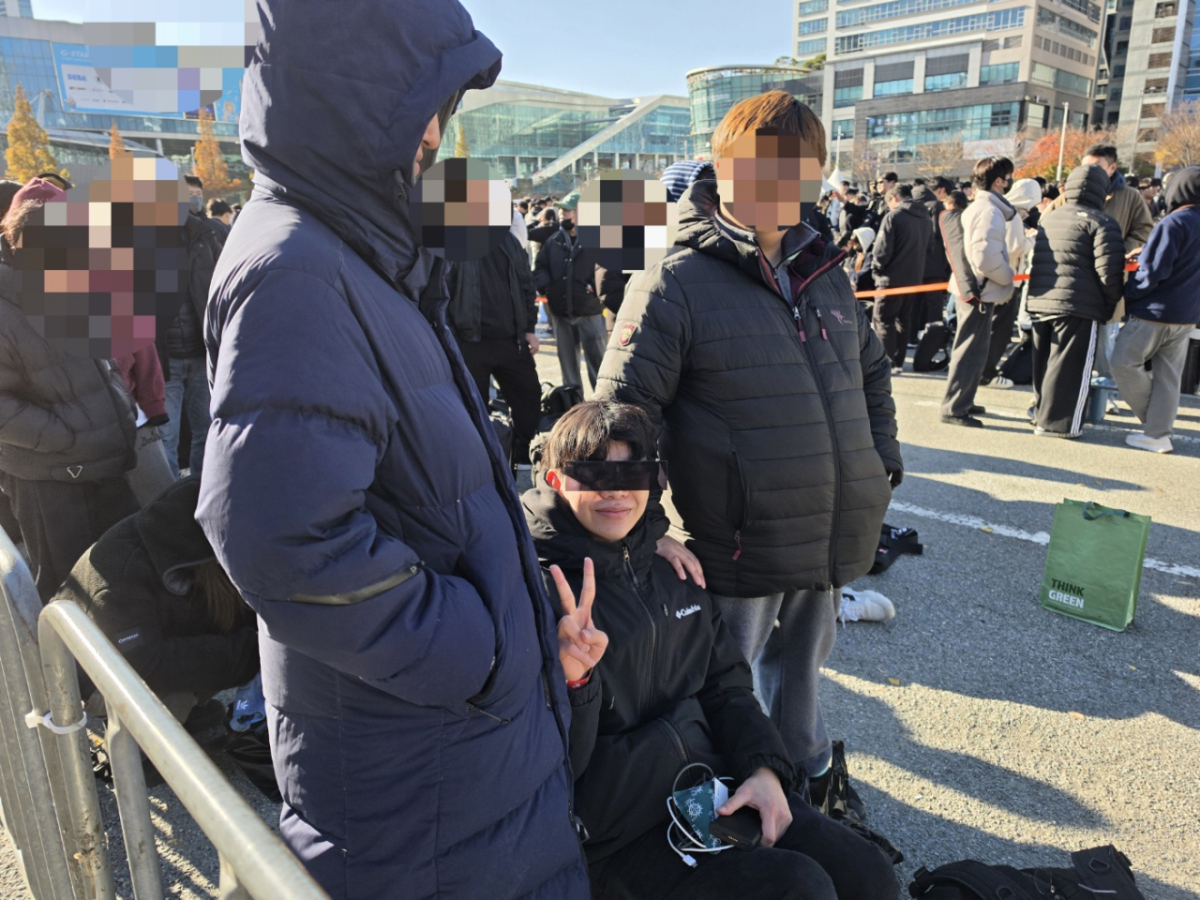
The gaming fans who had been queuing could not hide their anticipation. While noting, "It feels like G-Star is shrinking as domestic game companies flock to Tokyo Game Show or AGF," Wolf said, "Even so, gathering with friends at this place around this time every year gives me a sense of excitement." Yoon Hong-gyun (32, male), who had been waiting since 7:30 a.m., said, "There are many booths I want to see, so I waited to get in as early as possible."
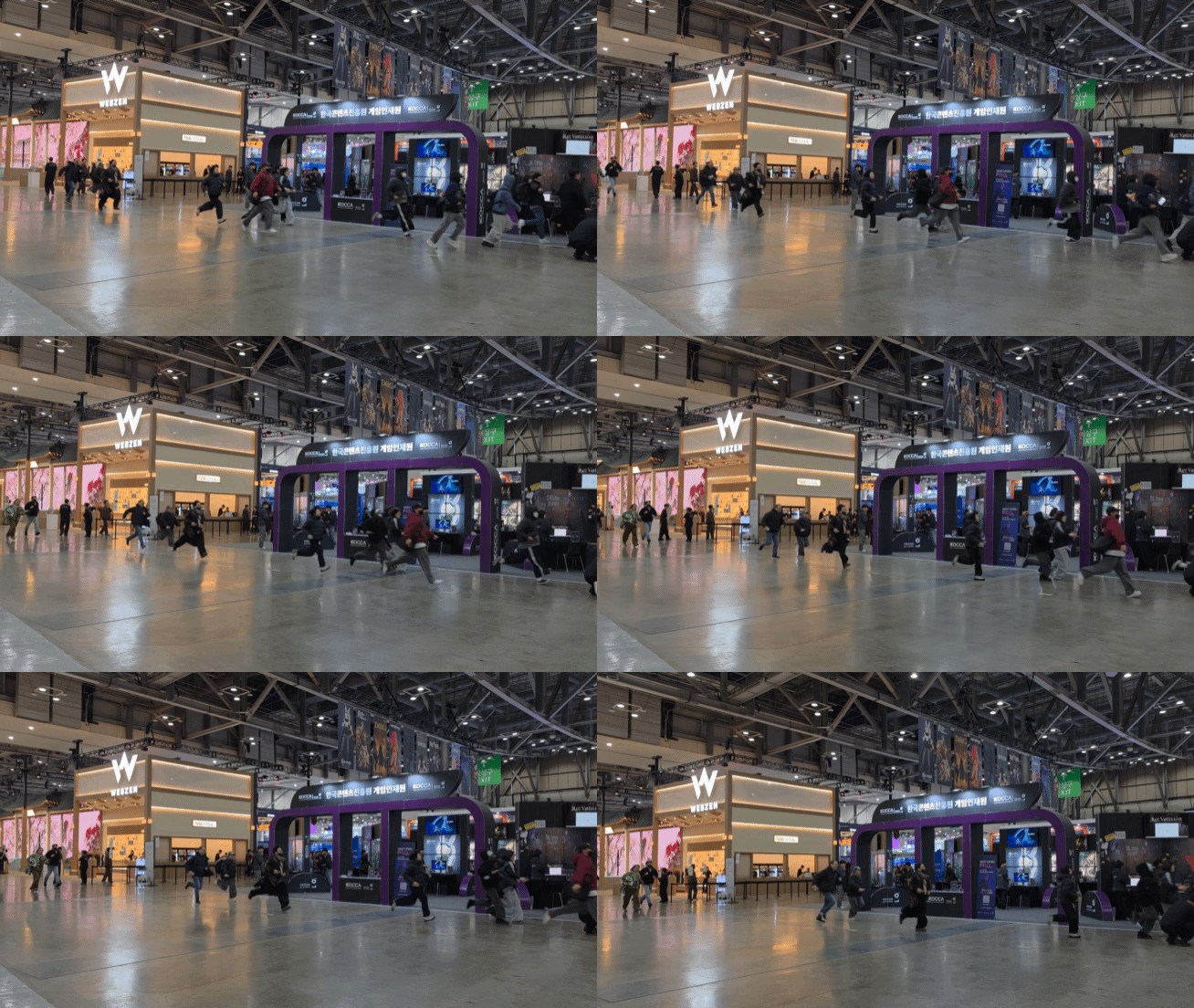
As the entry time of 10 a.m. arrived, fans sprinted at full speed from the queue set up in the parking lot to the entrance, covering a distance of about 200 meters.
After passing through the entrance, fans headed toward their desired booths, splitting into three lanes—left, right, and center—despite on-site staff instructing them not to run. The line of entrants continued without interruption for over 30 minutes.
G-Star, which marks its 22nd anniversary this year, has been slowing down since the coronavirus pandemic. The number of visitors, which was 240,000 in 2018, decreased to △180,000 in 2022, △200,000 in 2023, △220,000 in 2024, and △200,000 in 2025. The number of participating game companies has also declined; this year, among the major domestic game companies known as 3N2K (Nexon, NC, Netmarble, Krafton, Kakao Games), only Krafton participated.
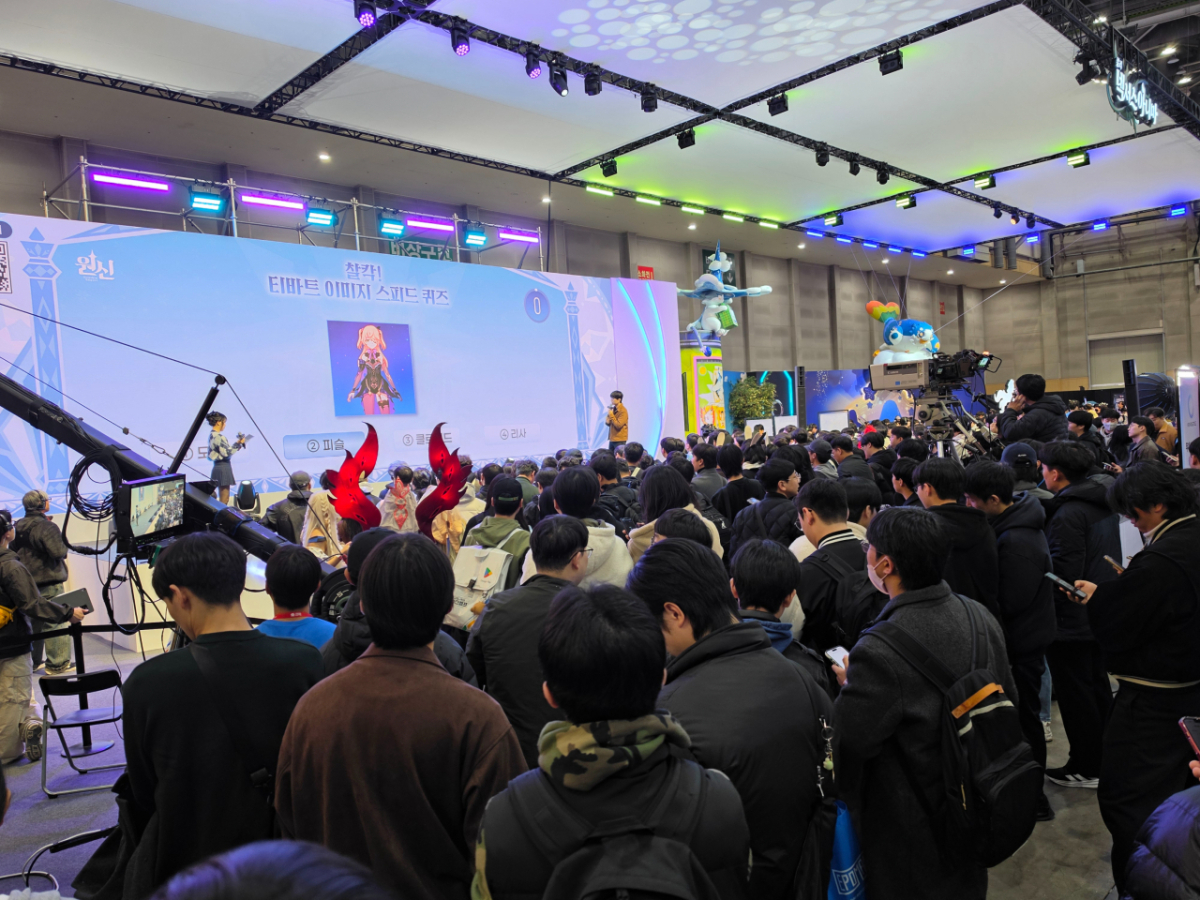
Overseas game companies filled the vacancies. In particular, the popularity of Chinese game companies such as HoYoverse and NetEase Games was notable. HoYoverse, famous for the subculture game Genshin Impact, provided its first domestic demo opportunity for new titles "Honkai: Nexus Anima" and "Petit Planet."
It also exhibited the popular game "Zenless Zone Zero." Lines of over two hours formed for all three games. A person in their 20s, identified as A, said, "I have been playing Zenless Zone Zero for more than two years since its release," adding, "I view it positively that overseas game companies are participating in G-Star, allowing us to try a variety of games."
Interest in AI companies was also high. G-Star 2026 featured Ryeon Technology as the main sponsor, promoting its AI chat app Crack. This is the first time in G-Star's history that a non-game company has served as the main sponsor.
Moon Sang-il (34, male) said, "I think taking on the role of main sponsor with Crack represents a new challenge," adding, "Although there are many controversies related to AI, such as recent cases of smart glasses being misused, it is expected as the most attention-grabbing future industry."
Fans expressed that while it is positive for global game companies that are usually hard to access to participate, they hope for increased participation from domestic game companies.
B, a man in his 20s, said, "I enjoy mobile games, and since China makes good mobile games, I am looking forward to it," but added, "It is disappointing because the festival atmosphere and events would be more diverse if there were many Korean game companies."
The government also plans to increase communication with the gaming industry to seek a turnaround for G-Star. Chae Hwi-young, Minister of Culture, Sports and Tourism, who visited the site the previous day, said, "It is regrettable that major game companies are absent from G-Star, which serves as a bridgehead for the global expansion of K-games," adding, "Going forward, I will meet with the gaming industry frequently to consult on various aspects."

 in TECH


