

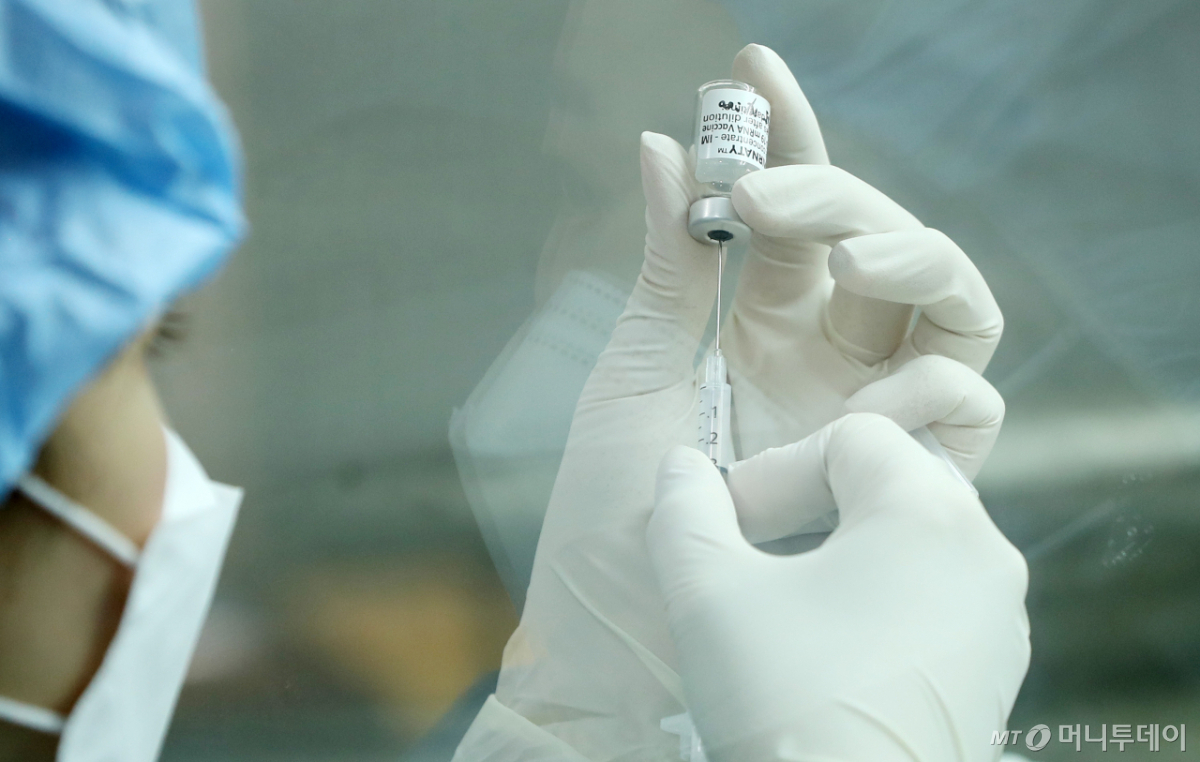
Only 3 percent of claims for compensation over adverse reactions to COVID-19 vaccinations have been reviewed, out of more than 5,900 cases filed. Health authorities say procedural delays are unavoidable because fewer cases are being handled at each meeting as individual claims undergo more in-depth assessments.
According to data submitted by the Korea Disease Control and Prevention Agency's COVID-19 Special Act Compensation Review Support Team and other agencies to the office of Rep. Lee So-hee of the People Power Party, a member of the National Assembly's Health and Welfare Committee, a total of 5,952 compensation claims had been filed under the Special Act on Compensation for Damage from COVID-19 Vaccination as of Nov. 20.
The figure included 2,777 cases seeking a second review and 3,175 new claims. Of those, reviews had been completed for just 198 cases, or 3.3 percent of the total.
According to the KDCA, the 'Damage Compensation Committee' and the 'Damage Compensation Re-review Committee' (which reviews objection applications), which currently review and resolve damage compensation cases related to adverse reactions after coronavirus vaccine injections, have expanded their meetings from once a month before the implementation of the Special Act to twice a month afterward.
Nevertheless, the period from the application date to the final review is becoming prolonged. It is known that coronavirus vaccine damage compensation takes an average of more than six months from application to review.
Previously, during last month's National Assembly national audit, criticism was raised regarding delays in damage compensation reviews.
At the time, Kim Doo-kyung, chairman of the Coronavirus Vaccine Damage Families Association, who appeared as a witness, stated, "Even when patients show the same disease name and symptoms, each (reviewing) committee member interprets and applies the requirements differently," adding, "The review criteria are unclear, and judgments on causality are ambiguous, leading to delays."
The KDCA explained that this is the result of the time required for reviewing individual cases becoming longer, thereby limiting the number of reviews processed per meeting.
The KDCA stated, "In accordance with the intent of damage relief under the Special Act and the committee's requirements, we are comprehensively and meticulously reviewing the possibility of estimating causality through in-depth examination of individual cases for each application, rather than conducting batch reviews based on a list of causal relationships," adding, "The decrease in the number of reviews is an inevitable aspect to ensure faithful review of individual cases."
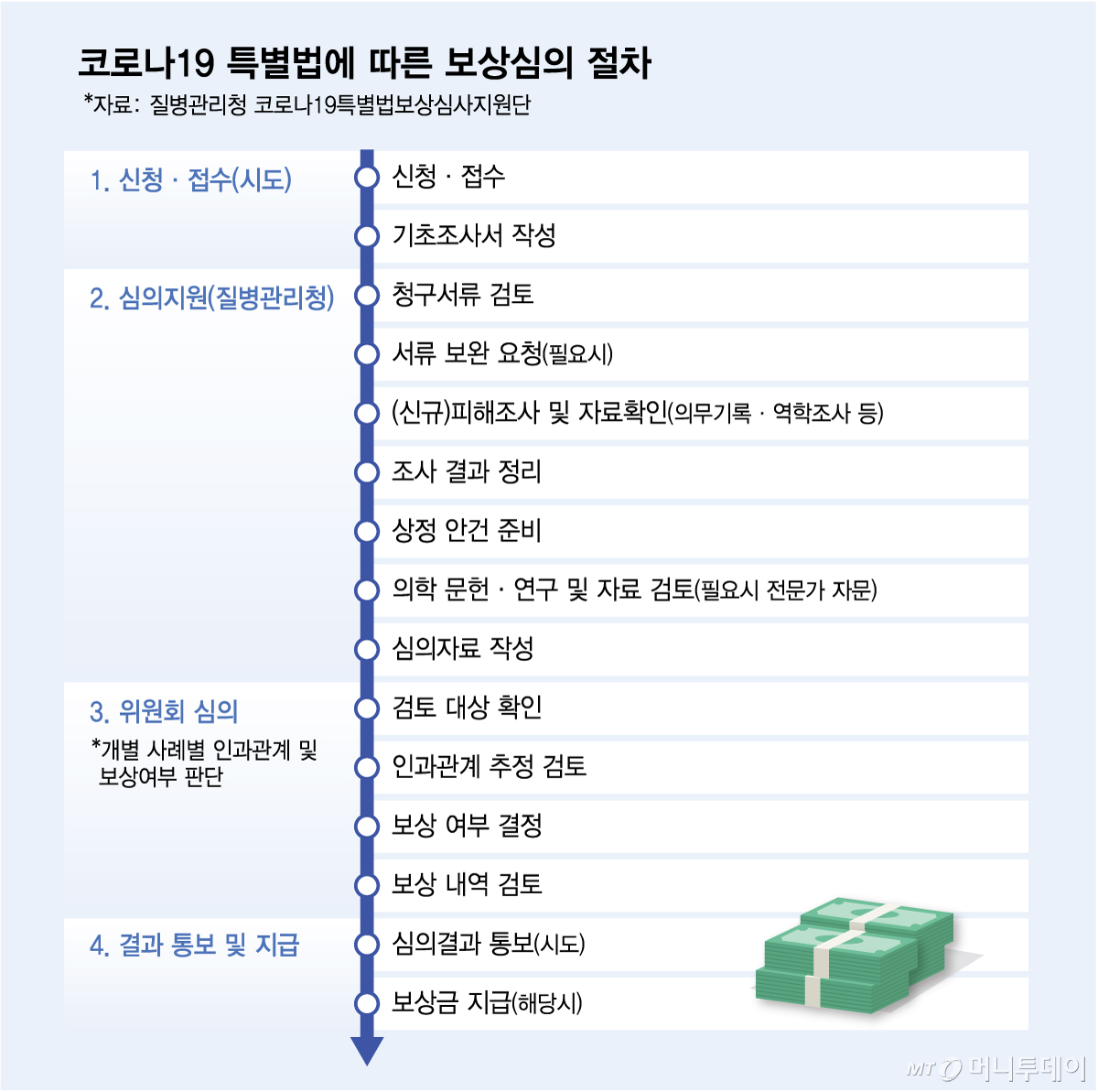
However, the KDCA conveyed that it will improve the speed of reviews by introducing a rapid review procedure for similar and simple cases, shortening the committee meeting cycle from the current twice a month to three times a month, among other measures.
It is also considering improvements to laws and systems, such as expanding the size of the committee and operating sub-committees by disease field, including cardiovascular, nervous system, skin, and allergies.
It also revealed that it is strengthening the management system regarding vaccine quality, which has raised concerns. Previously, a report by the Board of Audit and Inspection in February disclosed that reports of foreign substances had been received for some coronavirus vaccines completed between March 2021 and October 2024, bringing the quarantine authorities' vaccine management issues under scrutiny.
In this regard, the KDCA stated that it is raising the level of countermeasures by revising vaccination management guidelines to specify vaccine storage and management sections, and establishing integrated education on proper vaccination for medical institutions.
The KDCA stated, "We have established internal procedures for rapid reporting and response in the event of improper vaccination, and plan to complete guideline revisions specifying measures such as deadlines and methods for reporting improper vaccinations by January next year," adding, "We are also developing a next-generation integrated vaccination management system, aiming for construction by March next year, to introduce a system for automatic input and verification (such as QR codes and barcodes) of vaccinee information and vaccine information."
Member Lee So-hee emphasized, "The wait of citizens who trusted and followed government policies to overcome the public health crisis is becoming endlessly long," adding, "The KDCA should not only consider expanding the (size of the) committee but must first present a schedule and processing plan for when it will resolve the backlog of reviews." She further mentioned the 'Coronavirus Vaccine Damage State Responsibility Act,' which she recently proposed as a representative bill, stating, "I will see to it that the bill passes so that the state bears the burden of proof regarding vaccination damage."

 in THEBIO

