

[For more diverse corporate information on the startups mentioned in this article, please visit the Unicorn Factory big data platform 'Data Lab'.]
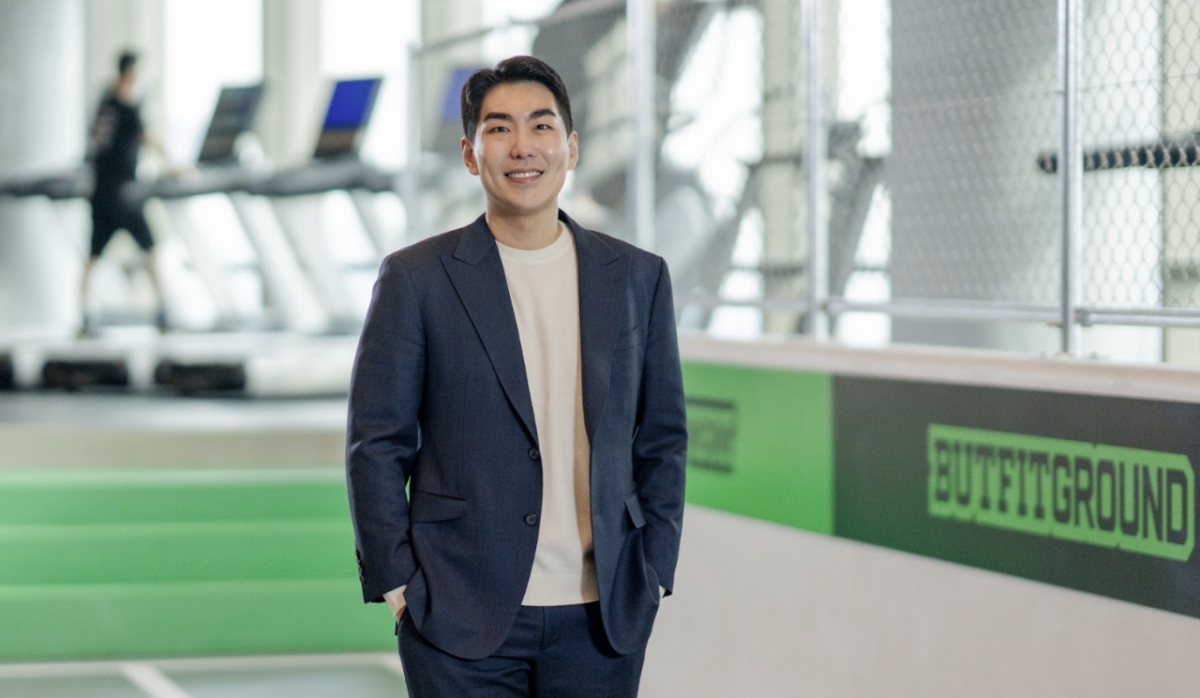
"While majoring in physical education and business administration, I had a thought since my university days. 'Exercise is an extremely important activity for maintaining health as people live, so why are there no large industrial companies in Korea?' This was the question. Ultimately, I believed that someone needed to prove profitability in this field to attract talent and allow the industry to grow, so I wanted to create a precedent myself."
Buffett Seoul is a startup aiming to become Korea's first listed fitness company (IPO). Jang Min-u (CEO) stated that Buffett Seoul's journey began with these questions. Recently, Buffett Seoul secured a Series B investment of 10 billion won, surpassing a cumulative funding total of 20 billion won. It aims to develop the fitness industry into a more efficient and sustainable sector by combining digital technology with gym spaces.
"Closing in two months"... Opportunity found amidst the COVID crisis
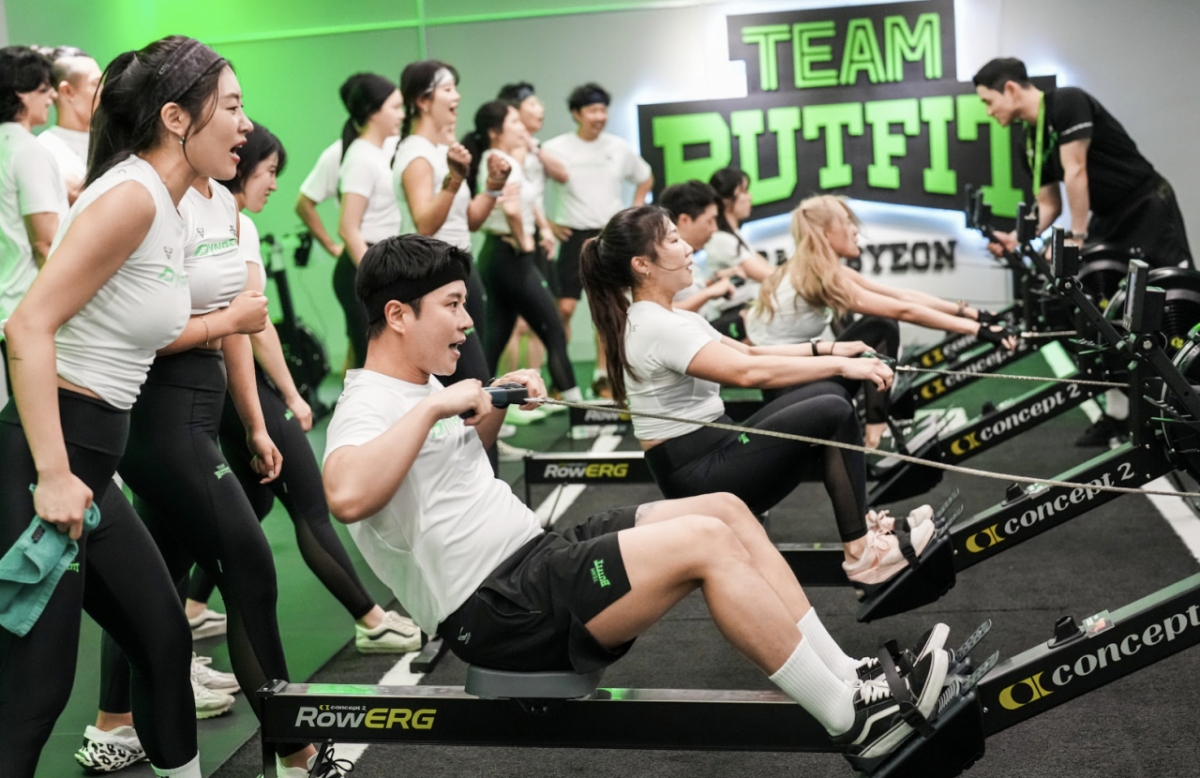
Buffett Seoul currently operates 16 direct centers in Seoul and surrounding metropolitan areas, but just a few years ago, it faced severe difficulties, nearly on the verge of closure. At its founding in 2018, Buffett Seoul's model was not the current approach of directly operating centers. It started as a platform business that rented unused GX (group exercise) spaces in gyms to host paid exercise groups for office workers.
The first business model grew rapidly. Within a year and a half, it could gather 10,000 members without significant costs. However, when the COVID-19 pandemic hit in 2020, meetings were postponed up to 16 times, resulting in refunds amounting to hundreds of millions of won. Jang (CEO) recalled, "By the end of 2020, our company account balance was exactly 20 billion won, leaving only enough for two months of operating expenses." He added, "Although it was a crisis, we discovered structural gaps in the fitness center market during this process."
What caught his attention was market inefficiency. The domestic fitness industry is large but fragmented around small-scale operators, with ad-hoc management prevalent. He stated, "Many people described it as a fiercely competitive red ocean, but paradoxically, I judged that it is the market with the greatest opportunity for organizations equipped with technology and content to enter."
Jang (CEO) decisively pivoted the business model to directly operate gyms called 'Buffett Ground'. He raised over 10 thousand won through small-scale IR sessions with acquaintances and invested all remaining company funds to lay the foundation for recovery.
Since the end of COVID-19 in 2021, Buffett Seoul's revenue has grown by 1,200%. Jang (CEO) attributes this growth to its 'system'. Buffett Seoul established a digital system to maintain uniform service quality across all branches. It also operates team training content called 'Team Buffett', which emphasizes the joy of exercising together rather than alone, fostering a community.
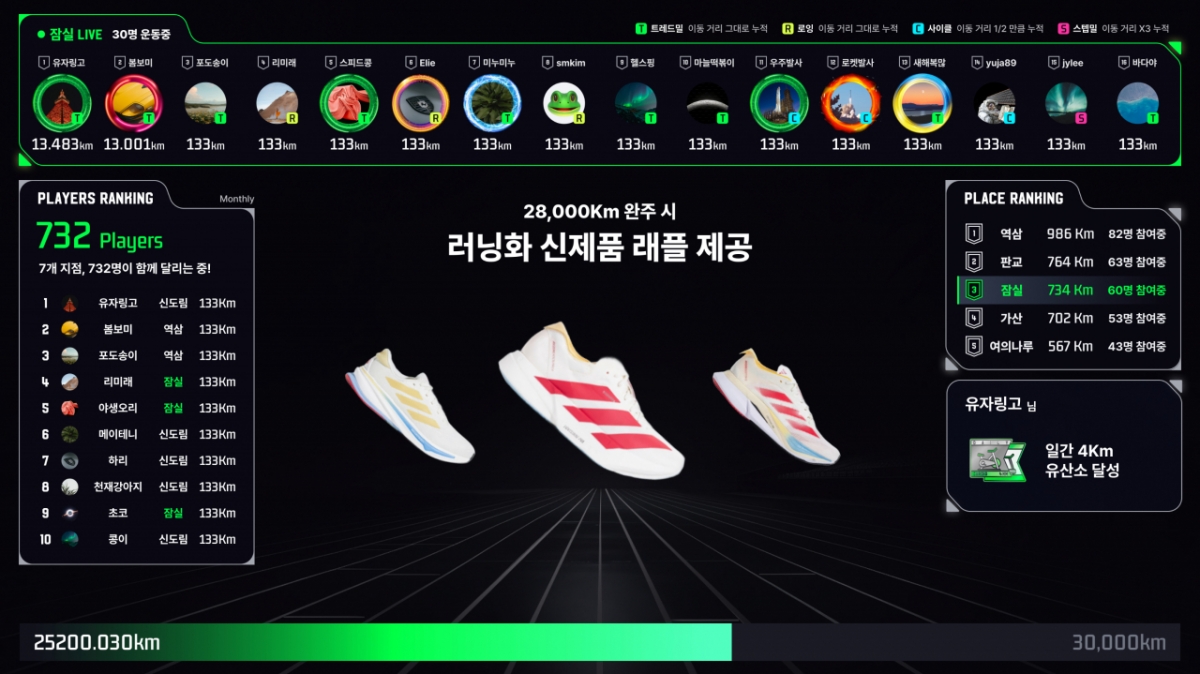
The 'Motivation System', where rewards accumulate that can be used like cash when exercising, is creating a powerful lock-in effect. Unlike general gyms with low re-registration rates, Buffett Seoul maintains an average re-registration rate of around 60%.
Expanding through running... "Aiming to build an ecosystem that enhances exercise sustainability"
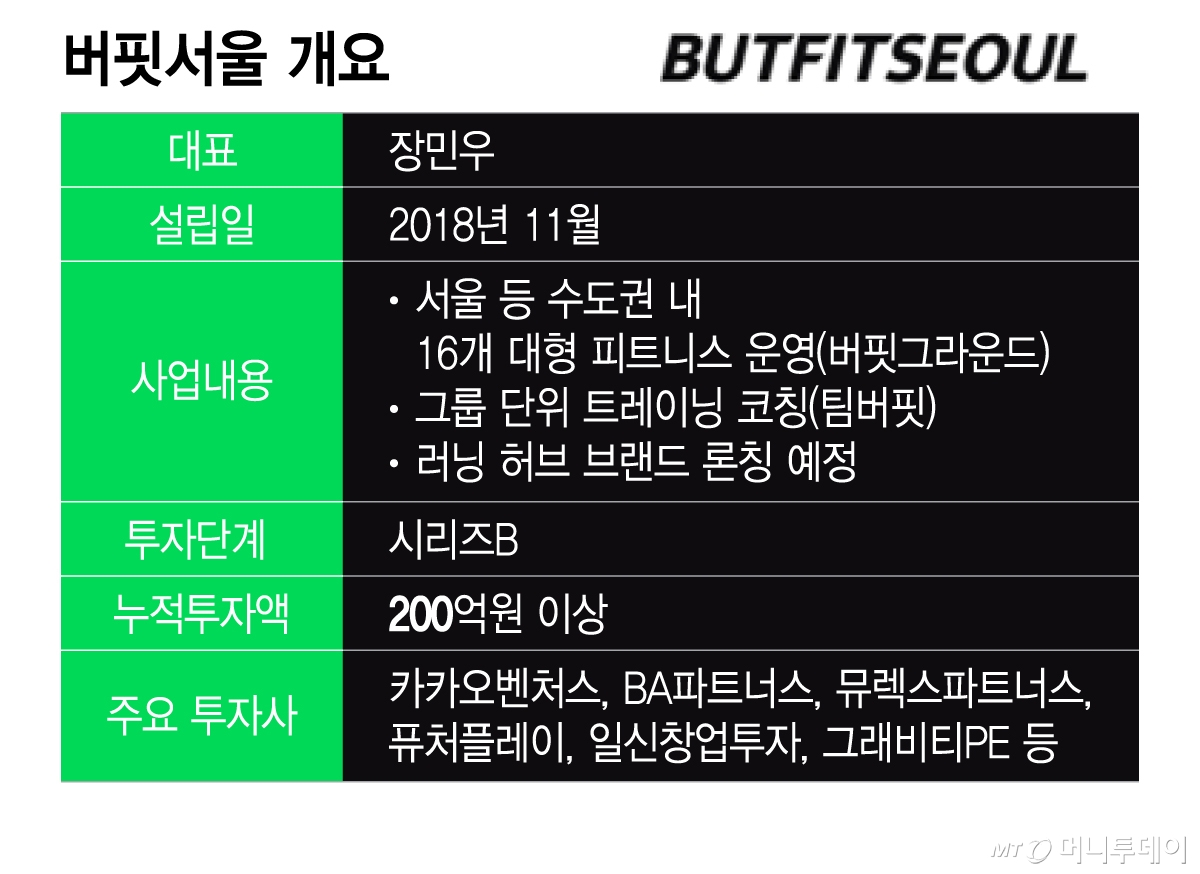
Buffett Seoul secured 10 billion won in investment last November. This funding is planned for use in expanding new locations and launching brands. In April, it plans a project to fill an entire mid-sized building in Mapo-gu, Seoul, with Buffett Seoul's content.
In addition to gyms and team training centers, it plans to launch a new brand targeting the rapidly growing 'running' trend. Services include rental of sportswear and shoes, luggage storage, showers, and food and beverage (F&B) services. The plan is to expand its business scope into a health management platform by integrating both indoor exercise and outdoor running records into an in-app reward ecosystem.
Based on this business model, it intends to challenge an initial public offering (IPO) in the future. While there are several listed fitness companies in the U.S., Japan, and Taiwan, no company specializing in the fitness industry is listed in Korea.
Jang (CEO) stated, "Our role goes beyond simply providing facilities; it is to help people sustain their exercise through good content and technology." He added, "I hope Buffett Seoul becomes a positive precedent for the fitness industry, leading to the birth of more companies and ultimately contributing to an increase in the total volume of exercise among the nation's citizens."
[MoneyToday startup media platform Unicorn Factory]

 in FUTURE


