

[For more diverse corporate information on the startups mentioned in this article, visit Unicorn Factory's big data platform 'Data Lab'.]
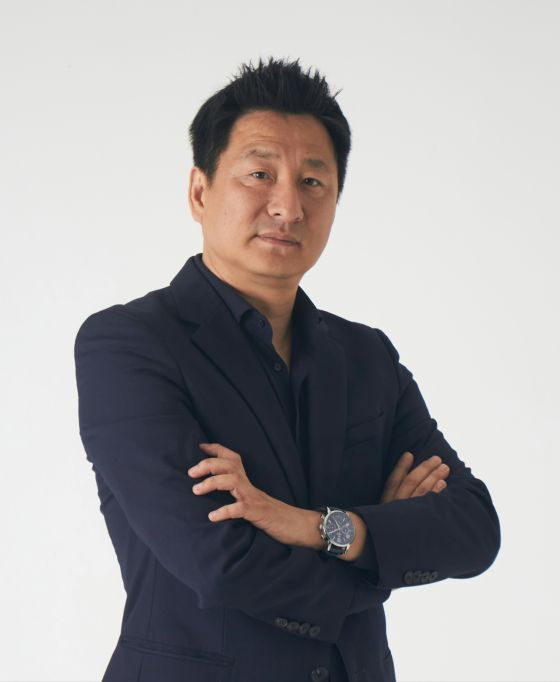
"We produce SAF (Sustainable Aviation Fuel) raw materials from frying residue that is discarded daily in restaurants and homes, much like the crumbs left after frying chicken."
CEO Hwang Gyu-yong focused on frying residue thanks to his experience running a coffee grounds business. He had been manufacturing and selling pellets (solid fuel) by compressing and molding used coffee grounds, but they were vulnerable to moisture, prone to mold during storage, and lacked cost competitiveness.
When it became clear that margins from coffee grounds would be slim, frying residue caught his attention. Hwang (CEO) explained the background of Greena's 2022 relaunch: "Frying residue absorbs oil and does not rot even after a year of storage." He added, "We conceived a business model to extract used cooking oil (UCO) from frying residue and supply it to refineries as SAF raw materials."
Breaking Through the Stringent Aviation Industry with 'Carbon Reduction'
Major countries worldwide are implementing or considering mandatory regulations for SAF blending in aviation fuel, but the shortage of raw materials remains a critical issue. In South Korea alone, the four domestic refineries require 700,000 tons of used cooking oil annually to produce SAF, yet the current domestic collection volume is only 200,000–250,000 tons. Hwang (CEO) calculated that frying residue could fill this gap. According to estimates by a research team from Gyeongsang National University and Linergy, the potential annual generation of frying residue in Korea reaches 900,000 tons.
The challenge was obtaining permits. Although frying residue is classified as food waste, it lacked a specific code in South Korea's waste classification system, making the process to secure a comprehensive recycling permit for food waste as a private company in 2024 exceptionally difficult. In May 2025, Greena also obtained ISCC EU certification (International Sustainability and Carbon Certification), an international standard proving that biofuel and mass raw materials are produced and distributed sustainably.
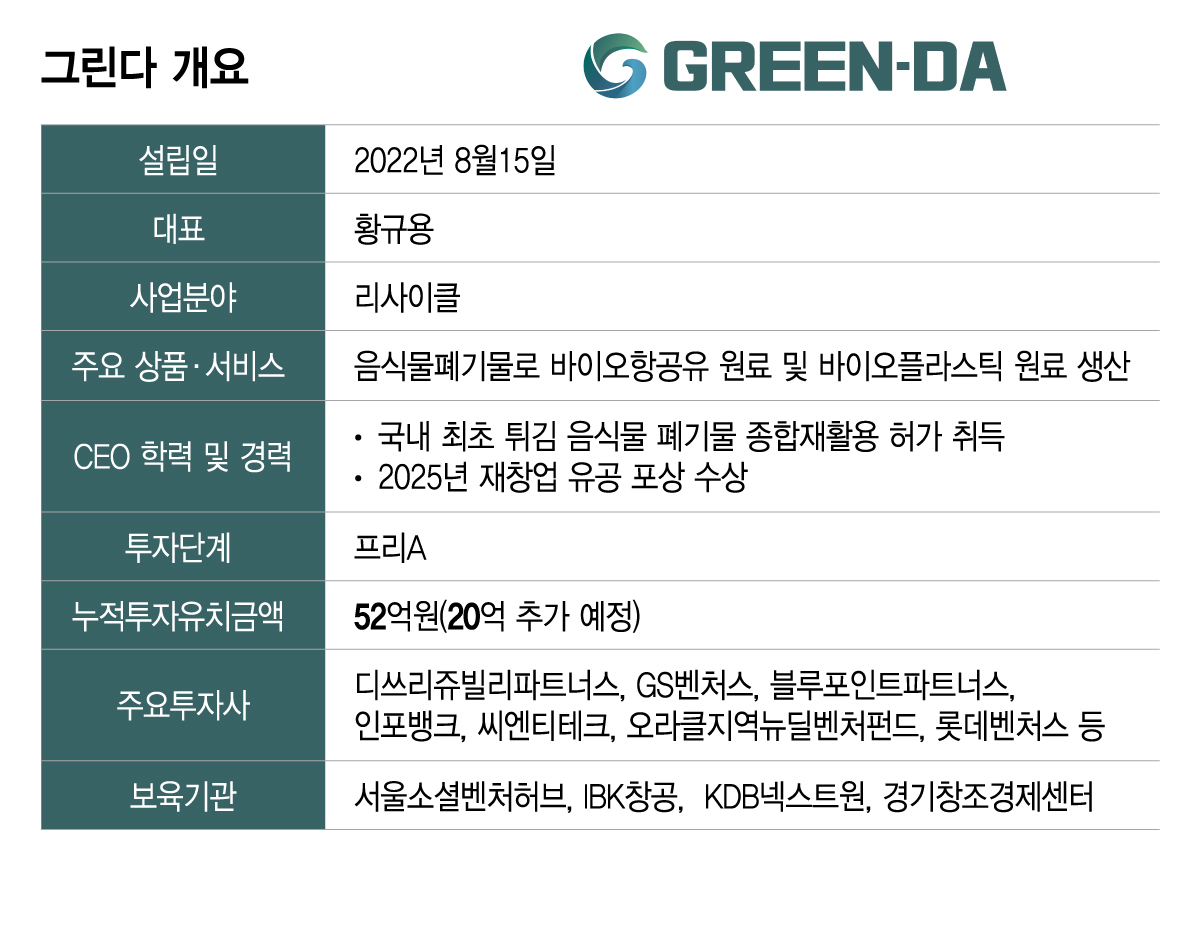
"This was not a business anyone could enter just because they had facilities and capital," said Hwang (CEO). "However, the arduous regulatory barriers have now become Greena's own moat (competitive entry barrier)."
Greena has also secured a technological edge. While existing companies extract oil by boiling in hot water, Greena applies its proprietary 'low-temperature multi-stage sedimentation process' using self-developed chemical additives to reduce impurities, moisture, and acid value. The company achieves a 40% yield of used cooking oil from frying residue and meets quality standards covering approximately 60 items required by refineries.
Direct Control Over Processes and Distribution Networks Boosts Profitability
Leveraging its proprietary processes and self-built distribution networks, Greena has secured strong profitability. Traditionally, used cooking oil is sourced at 1,400 won per kilogram, with final delivery prices ranging from 1,600 to 1,700 won after passing through middlemen and wholesalers, leaving slim margins. In contrast, Greena collects frying residue at just 50 won per kilogram, extracts 40% oil, and directly supplies the oil raw material at 1,500–1,600 won per kilogram and aviation fuel raw materials at 1,600–2,000 won per kilogram. By acquiring raw materials at low cost and converting them into high-value products, Greena achieves profitability up to eight times higher than traditional used cooking oil companies.
Greena provides dedicated collection bins for frying residue and manages logistics through its own platform. The company transports collected waste in 25-ton batches from three direct-operated collection centers in Gimpo, Busan, and Jeolla to its plant in Jeungpyeong, Chungcheongbuk-do. Collection sources include over 2,300 entities ranging from various chicken franchises and major food corporations to public institutions and institutional investors.
"Since we began supplying used cooking oil to a major domestic refinery in July last year, we have received continued interest from global refineries," said Hwang (CEO). "We are currently in the process of signing non-disclosure agreements (NDAs) with refineries in countries such as the Netherlands and Thailand."
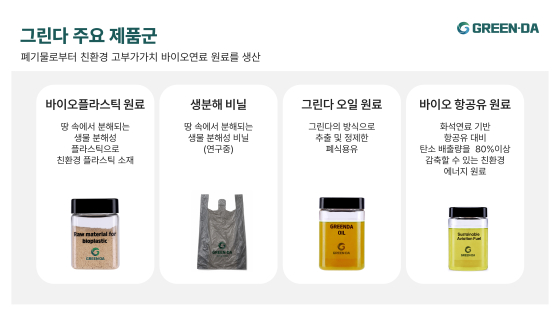
Greena is also pursuing value-added businesses, such as producing biodegradable plastics from sludge remaining after oil extraction. The company plans to actively pursue carbon credit sales starting in 2028. Hwang (CEO) stated, "Greena means 'drawing green' for the environment. With hands that once drafted architectural blueprints, we are now drawing a new map of Korea's resource recycling system."
[MoneyToday Startup Media Platform Unicorn Factory]

 in FUTURE


