

[For more diverse corporate information on startups, you can view it at Unicorn Factory's Big Data platform 'Data Lab'.]
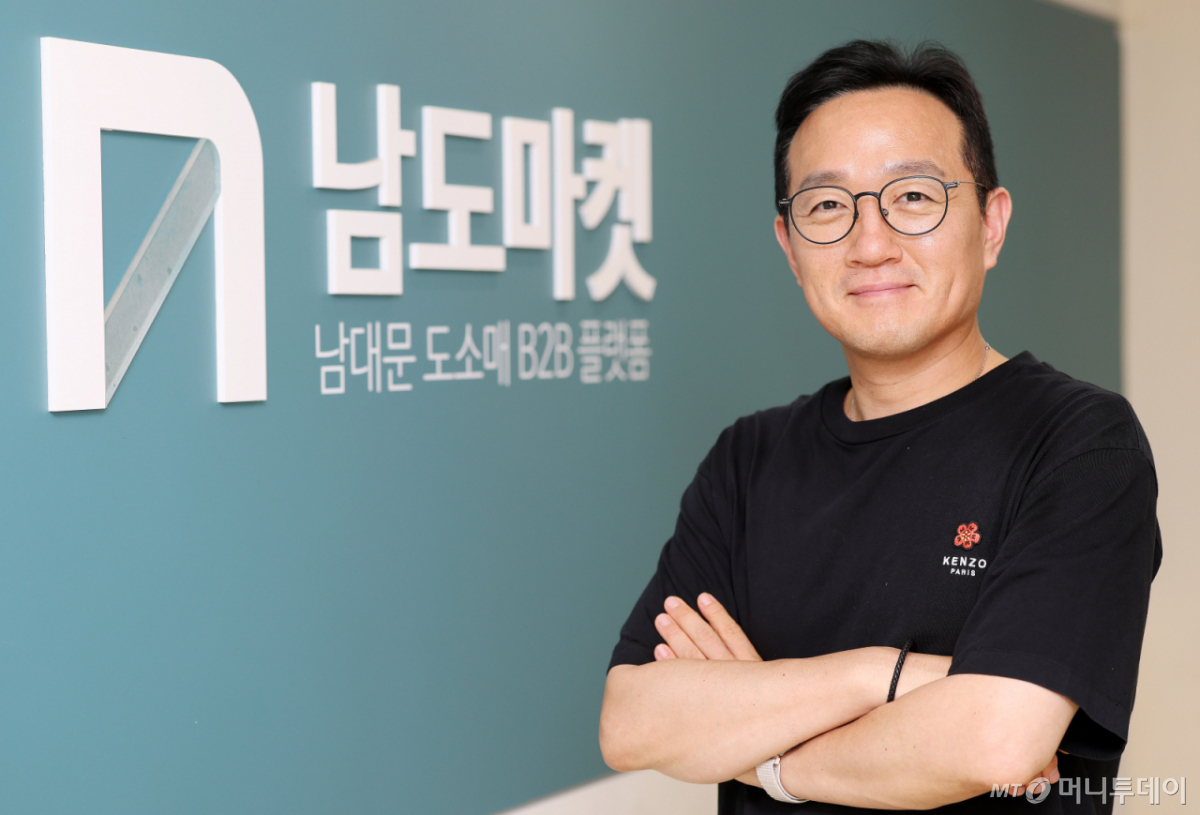
"What is Namdo Market?"
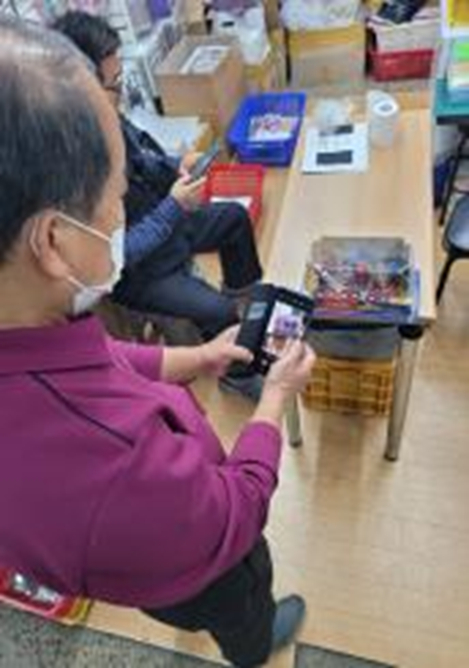
In response to the reporter's question, Yang Seung-woo Nam Do-ma-ket (CEO) showed a single photo from his phone. It was taken in 2021 during the height of the COVID-19 pandemic, depicting a 60-year-old toy wholesaler at Nampoong Market taking pictures of his merchandise. With customers disappearing due to the pandemic, he had resorted to photographing items and sending them one by one via text message to his business partners.
Yang (CEO) introduced him to 'ND Market' and explained, "Please don't send texts one by one like that. If you register here, your products can be shown to many more people every day." The store owner who successfully achieved DX (digital transformation) with Namdo Market has since expanded from a single shop to three locations.
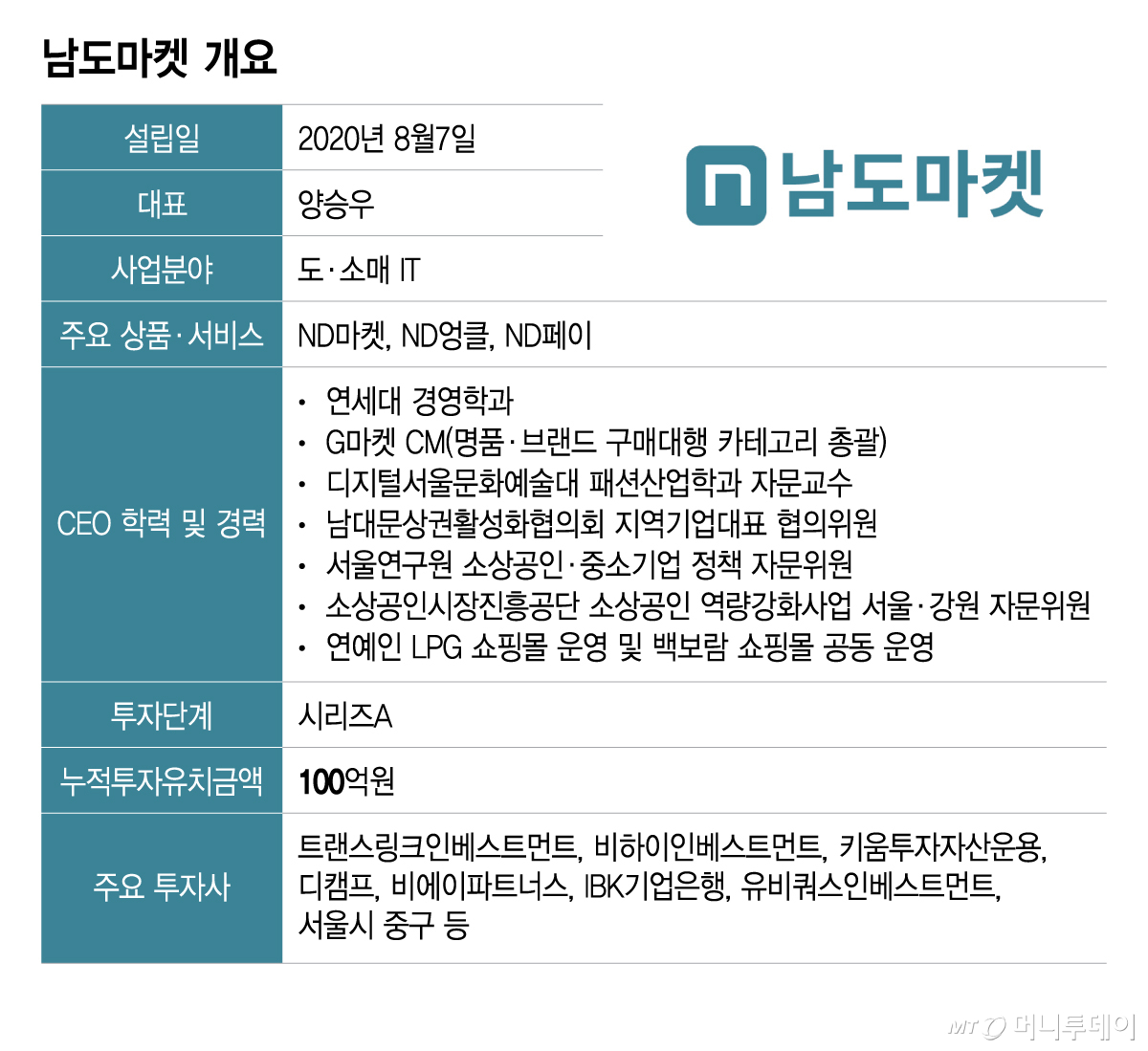
Namdo Market positions itself as the OS (operating system) for Nampoong and Dongdaemun wholesale markets. Yang Seung-u (CEO), who learned e-commerce as a category manager at Gmarket, was shocked after confirming market conditions with his younger brother, who had worked in wholesale for 20 years in Nampoong. He said, "I felt like I'd hit the jackpot seeing that while the scale is enormous, there's no DX," and added, "They were still writing invoices by hand."
Namdo Market's 'ND Uncle' serves as a POS system for restaurants. It is a wholesale merchant ERP (enterprise resource planning) program that integrates inventory management, sales records, order/payment settlement, and tax invoice issuance. Yang (CEO) explained, "Even in general e-commerce, you can buy 1,000 items, but you have to add them one by one 1,000 times. With ND Uncle, you simply copy the order details organized in Excel and send them; orders are placed, text notifications are sent, and payments are processed."
'ND Market' plays a role similar to 'Baemin' for wholesale merchants. It is a B2B marketplace where wholesalers expose their products to 110,000 businesses. For fashion retailers, this means they no longer need to go to Dongdaemun at 2 a.m. to personally scout goods or separately hire a "procurement uncle (clothing procurement agent)."
Introducing IT into the wholesale market produced dramatic results. The average time required for product registration and search dropped from 540 minutes to just five minutes, while the production period for new products shrank from 30 days to seven days. Namdo Market has set up a studio in one corner of its office to take photos of merchants' products and handle registration on their behalf. This service remains free today. Yang (CEO) said, "Success stories are needed," adding, "We established the studio so merchants can gain experience in meeting and selling to clients digitally."
Despite occupying nearly half of the Nampoong and Dongdaemun wholesale markets, Namdo Market employs fewer than 30 people. Yet its revenue has grown dramatically year after year, surging from 1.1 billion won in 2022 to 22.8 billion won last year. This is largely due to effectively delegating a significant portion of operations to AI agents. Last year, it was also selected as an "Excellent SME AI Transformation Case" by the Korea SMEs and Startups Agency (KOSME).
Yang (CEO) stated, "Monthly transaction volume has also increased significantly from around 2 billion won at the early startup stage to approximately 60 billion won today." He added, "While competitors fall into a swamp of fixed costs due to large-scale workforce and fulfillment investments, Namdo Market handles equivalent transaction volumes with only one-tenth the number of employees."
Among over 200,000 wholesale businesses nationwide, Namdo Market has secured approximately 15,000 customers, representing a market share of about 7.7%. However, it boasts an overwhelming market share in South Korea's core wholesale hubs: Nampoong (55.2%) and Dongdaemun markets (41.4%). Notably, the company entered the Dongdaemun market less than two years ago. Its next target is Busan. After establishing a research office there in June this year, it began its expansion efforts.
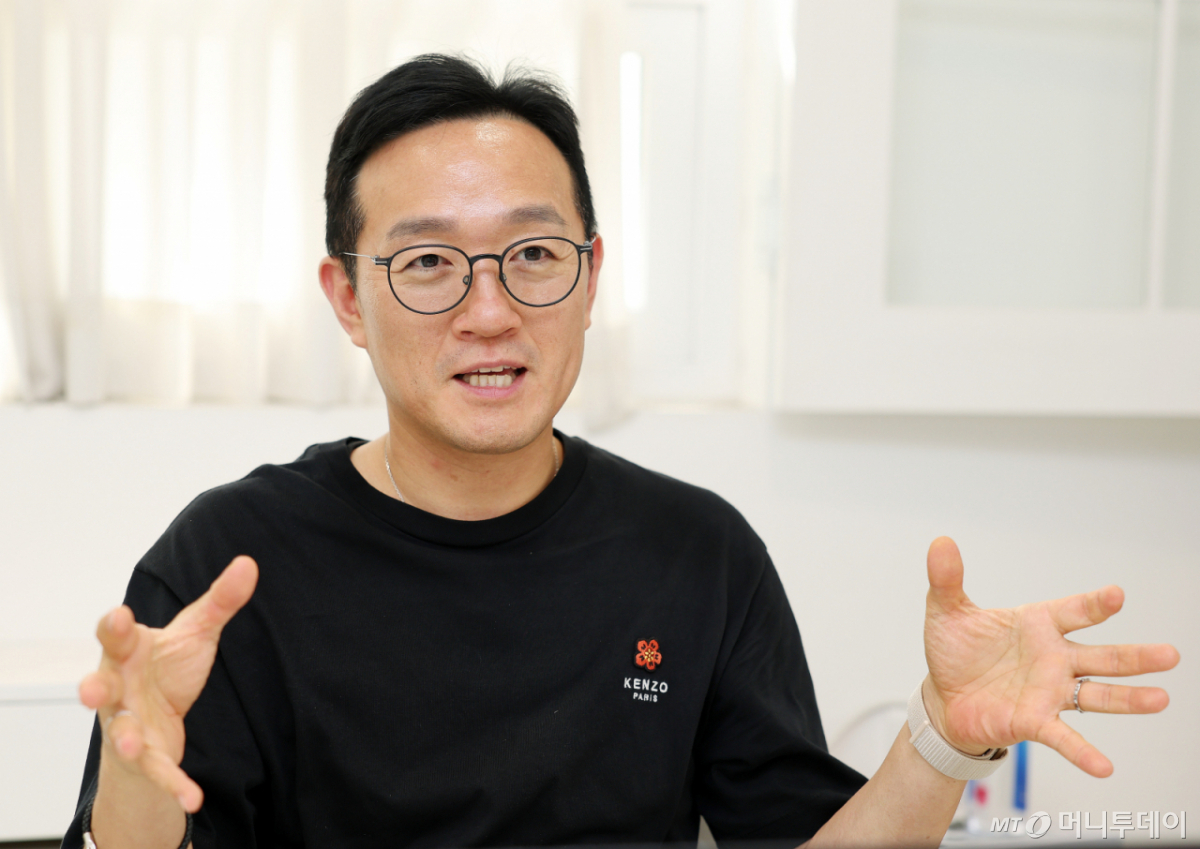
Customer information acquired in the wholesale market naturally leads to the financial service 'ND Pay.' Originally a service handling simple payments and settlement, it now also includes advance payment for production funds. While commercial banks evaluate wholesale and retail merchants based solely on individual credit scores, Namdo Market relies instead on transaction data accumulated daily. Yang (CEO) explained, "If a shop owner who sells 10 rolls of kimbap daily suddenly increases sales to 100 rolls, they will need more funds for ingredients. Bank loans might not be easily available, but since we know the store's transaction volume and information, we can provide advance payments based on future settlement amounts."
Namdo Market's target is not limited to Korea. Products from Dongdaemun and Nampoong markets are already exported to over 20 countries. There are approximately 6,000 overseas business members receiving these goods. Buyers and vendors, as well as distributors like TikTokers and Wanghong (Chinese live-streamers), purchase Korean products through the platform. The ND Uncle program itself is sold on a subscription basis in Thailand, Vietnam, and the United States. Yang (CEO) expressed confidence, stating, "Even giants like Amazon or Alibaba sometimes struggle with local businesses due to localization challenges. If we succeed in localization, there's no reason Namdo Market cannot expand overseas."
Yang (CEO) emphasized, "Rather than viewing many markets merely as targets for conquest, I approach them with the mindset of solving the difficulties faced by small business owners, just like the toy shop owner I helped five years ago. I want to make their days more relaxed, take their products global, and resolve even their financial challenges."
[MoneyToday startup media platform 'Unicorn Factory']

 in FUTURE


