

[For more diverse corporate information on startups, visit the Unicorn Factory Big Data Platform 'Data Lab'.]
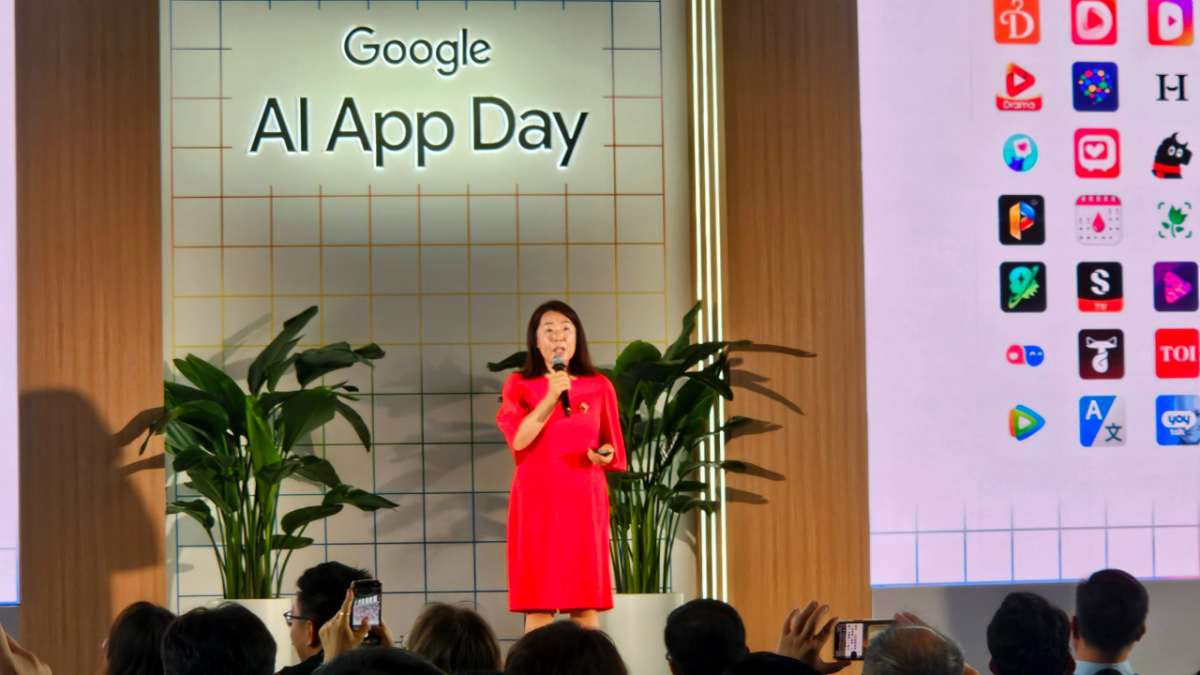
"Consumers are no longer just testing AI apps; they are paying to use them. Alongside the rise in AI-native app downloads, consumer spending has doubled over the past year."
Paula Wang, Managing Director of Google Play Asia-Pacific (APAC) Partnerships, made this assessment at the 'Google AI App Day' held on the 17th (local time) in Singapore.
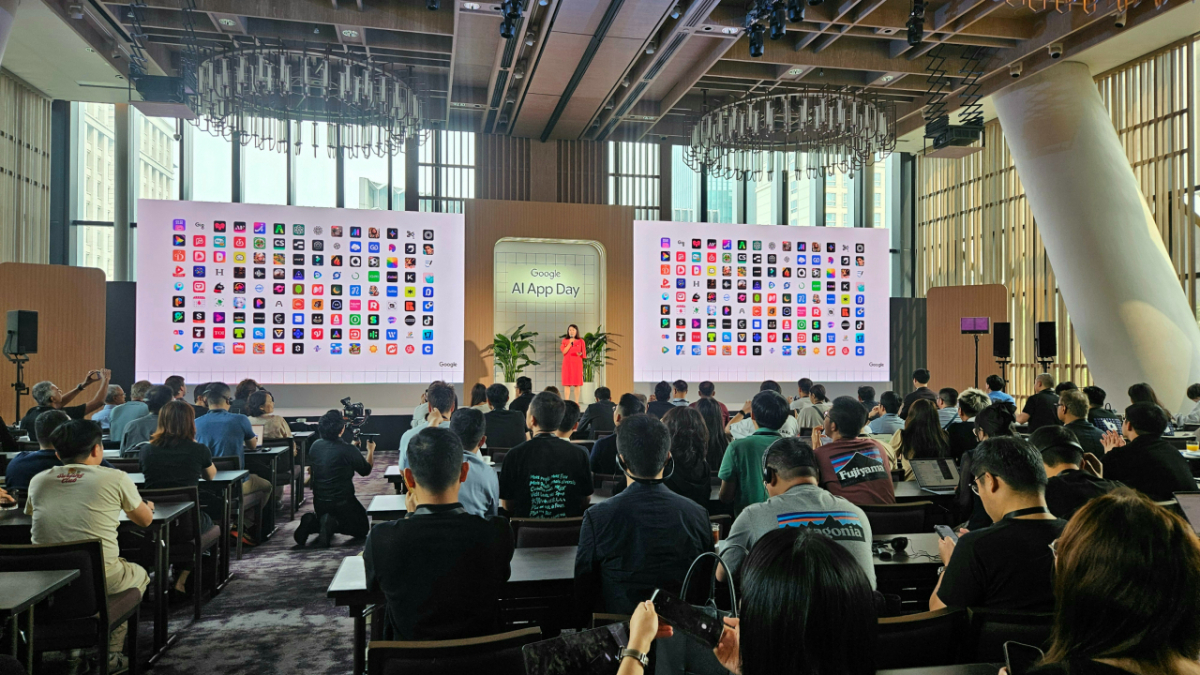
The first-ever Google AI App Day was organized for founders and executive-level decision-makers leading AI-native app businesses. The event focused on supporting developers in uncovering new growth opportunities in the AI market and accelerating their ventures. Around 150 companies attended this year's event.
The program included keynote speeches, sector-specific sessions on AI-native apps and drama shorts, one-on-one office hours, and networking programs. Attendees shared strategies covering all aspects of developer growth—from developing services using AI technology to acquiring global users, monetization, regulatory compliance, and building user trust.
According to Wang, Google has been analyzing the global AI-native app market since December 2024. The analysis focused exclusively on pure AI-native apps, excluding services that merely add AI features to existing applications.
He stated, "The number of new AI-native apps entering the market is showing growth rates in the high double digits," and emphasized, "User engagement continues to rise steadily quarter by quarter. This signifies that we are building a self-sustaining ecosystem and even creating entirely new industries."
Google has paid particular attention to 'interactive entertainment.' This refers to services where generative AI interacts with users in real time to create stories, characters, and content. Representative examples include emotionally interactive AI companions (in chatbot form) and conversational AI storytelling.
According to Google's analysis, average daily usage time for apps in this sector ranges from 60 to 146 minutes. The average daily spending per user was found to be around $11–$12. The company also projected that the related market could grow up to fivefold within the next 12 months.
In contrast, the growth of simple chatbots and AI assistants, which once led the early AI app market, has slowed. This indicates a shift in market focus as users seek more emotional and immersive experiences beyond simply inputting questions and receiving answers.
Wang remarked, "Two years ago, we were brainstorming what could be done with AI; one year ago, there were many wrapper apps built around existing models. Now, we are entering a stage where services that genuinely transform people's lives through AI are being delivered."
Google also identified B2B (business-to-business) and education sectors as new growth engines. Traditionally dominated by consumer apps and games, the app market is now seeing full-scale entry by B2B AI companies.
Wang noted, "The B2B AI-native app sector remains a small market but is growing rapidly. Considering this growth has occurred without active industry support, it is only just beginning. The education sector is also showing robust double-digit growth in multiple countries."
AI is also changing how users consume content. In the past, users passively watched videos or social media content; now, AI generates content tailored to individual users, enabling consumers to simultaneously act as creators.
The boundary between games and AI entertainment apps is blurring. AI apps are adopting game mechanics such as rewards and gacha systems, while game developers are entering the AI interactive entertainment market. 'Extreme personalization,' which optimizes for individual emotions and preferences, was also highlighted as a key trend.
Wang stated, "Some users spend over two hours daily on AI apps, consuming services entirely for themselves rather than sharing with others. This means AI is fulfilling the real human desire to be recognized, have one's story heard, and feel valued."
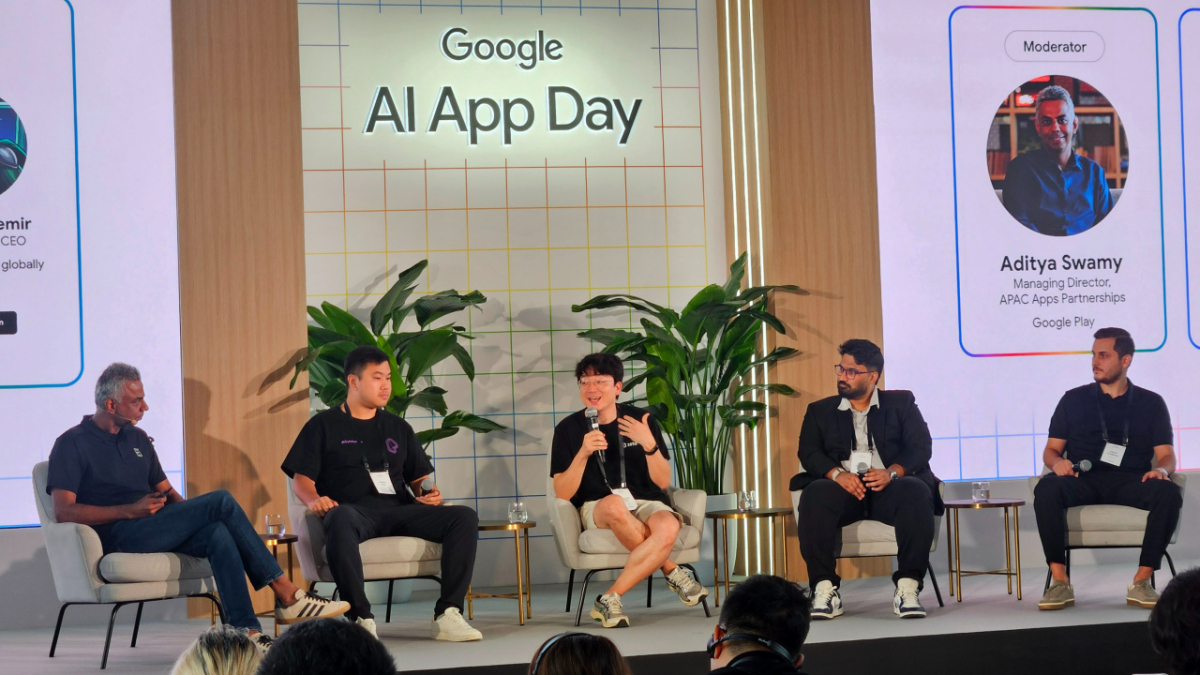
Mekka Okereke, Head of Google Play Apps, diagnosed that AI is reshaping the formulas for app development, distribution, and monetization. He said, "Google will support developers throughout their entire lifecycle—from technology development to acquiring global users, re-engagement, and monetization."
Manish Gupta, Senior Director at Google DeepMind & Research, emphasized advancements in multimodal and on-device AI. Introducing Gemini and the small open model 'Gemma,' he stated, "In the future, powerful AI capabilities will be directly implementable not only in the cloud but also on mobile devices and desktops."
Advice was also given that expanding AI services into actual businesses requires designing infrastructure, security, and operational systems alongside models. Bill Gia, Vice President of Google Cloud Engineering, remarked, "Building AI agents is a completely different challenge from managing them in terms of security and cost."
Aman Grover, Google APAC App Development Sales Director, urged, "AI app companies must focus on acquiring profitable users rather than just download numbers. They need to shift from installation-centric advertising to value-based strategies grounded in actual revenue and return on ad spend."
In this context, HYBE's hybrid model combining subscriptions and ads was presented as an alternative. Paraz Azar, Head of Google Side Monetization Business Development, noted, "Ads that offer clear benefits, such as reward-based advertising, can offset costs without compromising user experience."
[MoneyToday startup media platform 'Unicorn Factory']

 in FUTURE


