

[For more diverse corporate information on startups, you can view it in Unicorn Factory's Big Data platform 'Data Lab'.]
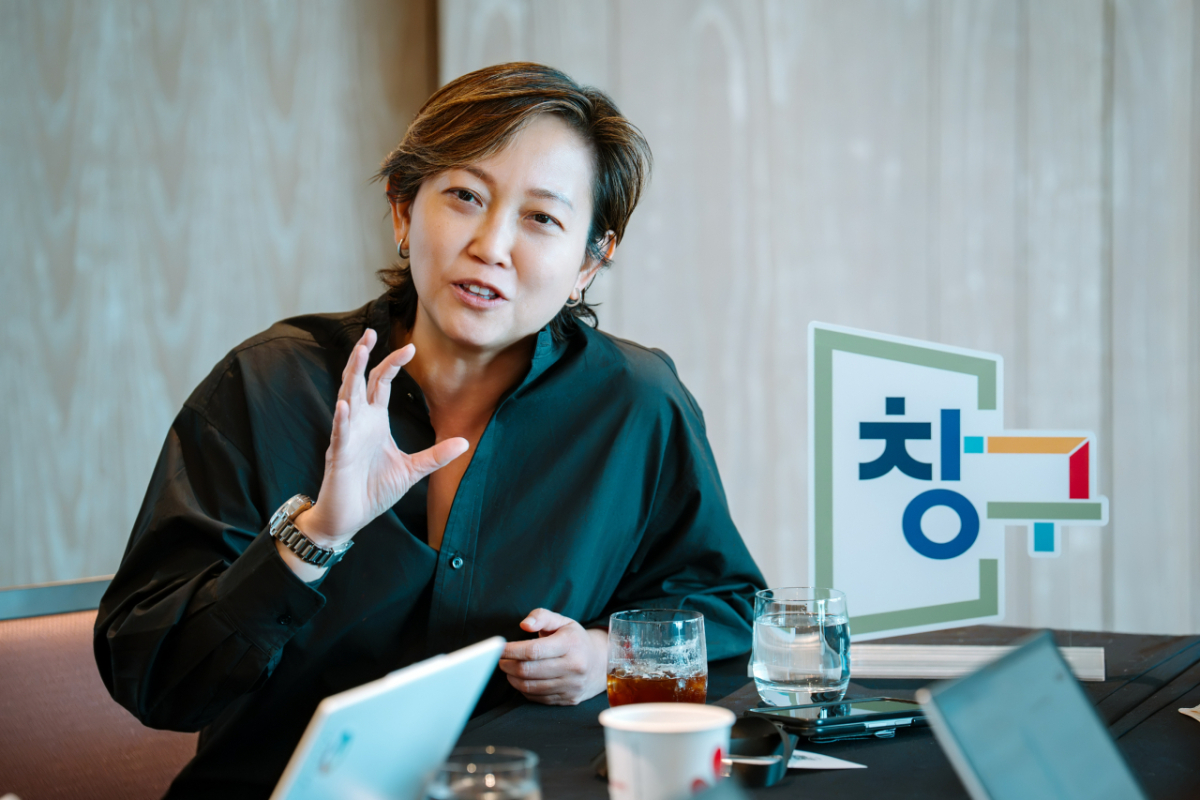
"Korea's 'Changgu' program is regarded as the gold standard (the best model) even within Google. While many countries are trying to benchmark it, creating a model exactly like Korea's will not be easy."
Karen Teo, Vice President of Platform and Device Partnerships for Google Asia-Pacific (APAC), made these remarks while meeting with reporters at the '2026 Changgu Emergence Trip' held in Singapore on the 17th (local time), evaluating the achievements of the Changgu program.
Changgu is a public-private partnership project that supports the growth and overseas expansion of domestic mobile app and game startups, jointly operated by Google Play and the Ministry of SMEs and Startups·Startup Korea. Launched in 2019 by taking the first characters of 'startup' and 'Google Play,' it marks its eighth year this year.
The Emergence Trip is a global training program launched in 2023 to assist Changgu program participants and graduates in expanding into overseas markets. This year's schedule held in Singapore included participation from 14 domestic app and game startups.
Vice President Teo cited the close collaborative structure among the government, global platforms, and domestic entrepreneurs as Changgu's greatest competitive strength. She explained that it holds significant meaning not merely as a startup incubation project but as an initiative supporting the growth of the entire ecosystem alongside the Korean government.
He stated, "When Google conducts business in any country, it places importance on providing tangible impact to that nation," adding, "The ability to support and grow the startup ecosystem through cooperation with the Korean government is a very special and meaningful endeavor for Google as well."
He further added, "The core of Changgu lies in the three key actors—the government, Google Play, and Korean entrepreneurs—moving together. Since each country has different attitudes and energy levels among entrepreneurs, as well as varying relationships between governments and industries, even if other nations adopt the format of Changgu, achieving results identical to Korea's will be difficult."
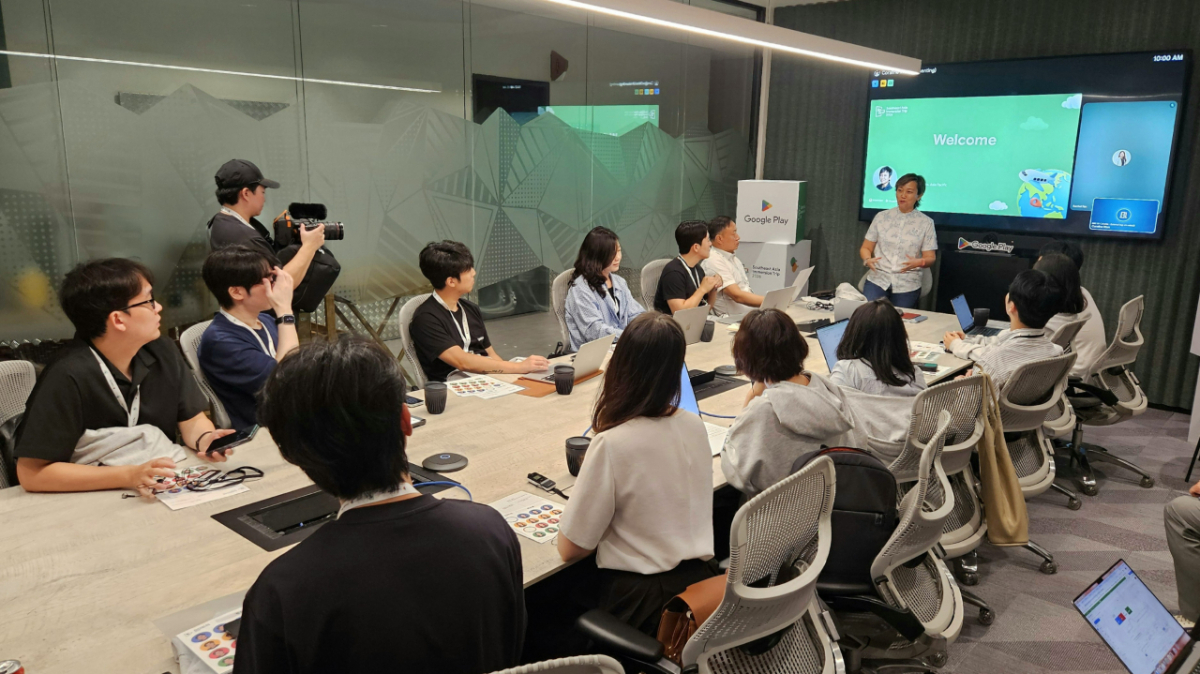
Vice President Teo highlighted the strong will to expand globally and creativity as key characteristics of Korean entrepreneurs participating in Changgu. She noted that they stand out not only for quickly applying technology to products but also for their ability to directly create new services and markets.
He remarked, "What I have consistently observed from the Korean entrepreneurs I have met is that they are full of ambition and highly creative," adding, "A significant portion of the new initiatives emerging in the current app ecosystem is being led by startup founders."
The status of Korea's developer ecosystem is also rapidly rising. According to Google, based on the number of active developer accounts actually serving apps and games on Google Play, Korea rose from third place globally in 2024 to first place last year.
Furthermore, global downloads of apps developed in Korea reached 1.8 billion last year, approximately 2.5 times the 730th million downloads made domestically. This indicates that foreign users utilize apps or games created by Korean developers more than Korean users do.
Vice President Teo stated, "While Google assists Korean developers and startups, these entities are also contributing to the growth of the Google ecosystem," adding, "Korea has now grown into one of the largest developer communities in the world, and Korean apps are rapidly expanding in global markets."
He continued, "In the field of AI, Korean developers are playing a role in creating new trends. While innovation is occurring in many markets including China, there are numerous cases where the Korean developer community leads the trend. A significant portion of recent changes is originating from Korea."
He emphasized, "Google will connect its corporate and investor networks secured in various countries to assist Korean development companies in market entry and fundraising," adding, "We will support Korean entrepreneurs so that their creativity and execution demonstrated through Changgu can lead to even greater achievements in global markets."
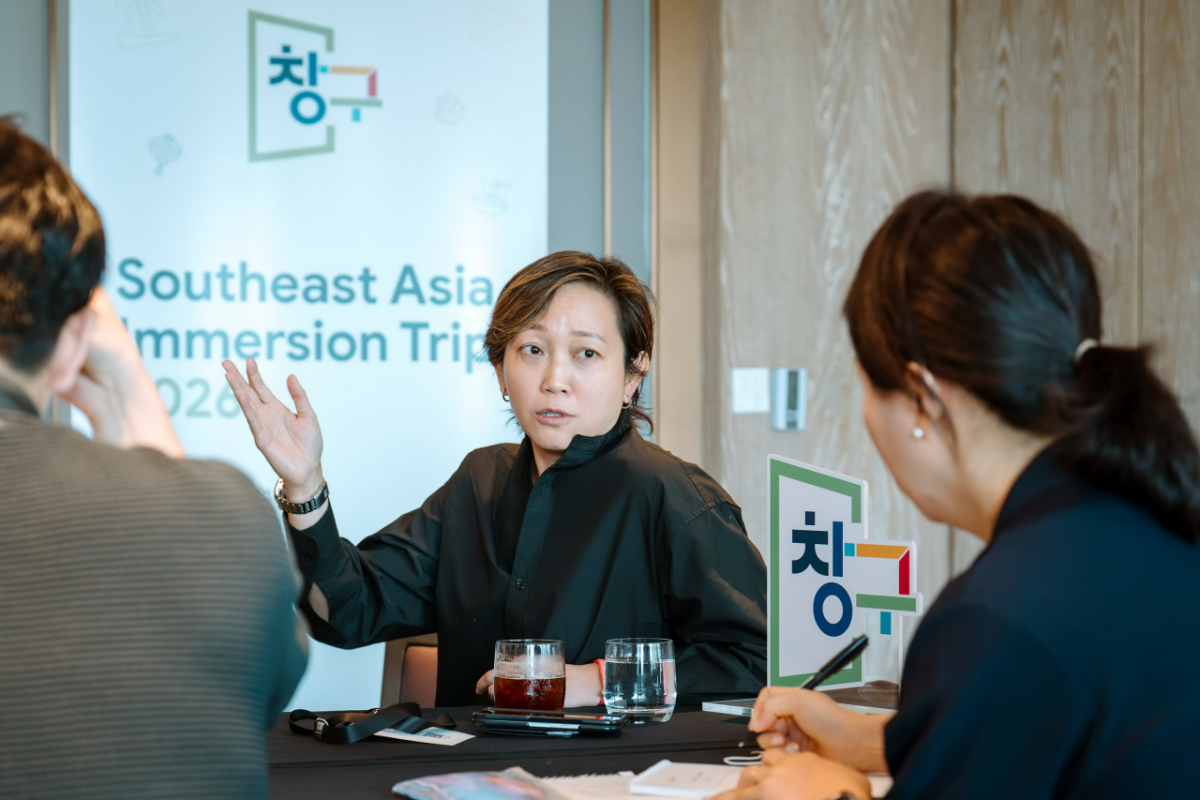
Vice President Teo advised that while AI lowers the entry barrier for app development, companies should focus on user value rather than technology. She pointed out that the ease of development does not guarantee success in the market.
She stated, "Users do not choose just any app," adding, "Users still seek apps that are high-quality, creative, and allow them to spend their time meaningfully."
Vice President Teo identified four key questions AI app developers must continuously ask: How to guarantee and maintain quality? How to continue thinking creatively? What user problems are being solved? And how to positively contribute to the time users spend using the app.
Regarding trends in the AI app market, she diagnosed that while 'companion apps' featuring conversations with AI characters initially gained attention, recently AI interactive storytelling apps where users directly participate in the narrative are rising.
She noted, "In the case of AI video production, services once used by individual users for fun have expanded into B2B tools assisting corporate content and marketing production," adding, "In the gaming sector, game engines utilizing AI to implement virtual worlds and content faster and more realistically are creating new business opportunities."
However, she drew a line stating that it is difficult to definitively claim that AI-native apps always have higher competitiveness than non-AI apps. Ultimately, success depends on what value—be it productivity, convenience, or entertainment—is provided to users.
Vice President Teo remarked, "In the AI era, new services and business models emerge every week," adding, "Since most apps will soon incorporate AI, distinguishing whether an app is AI-native or not may become less important."
[MoneyToday startup media platform 'Unicorn Factory']

 in FUTURE


