

[For more diverse corporate information on the startup featured in this article, please visit the 'Data Lab' big data platform of Unicorn Factory.]
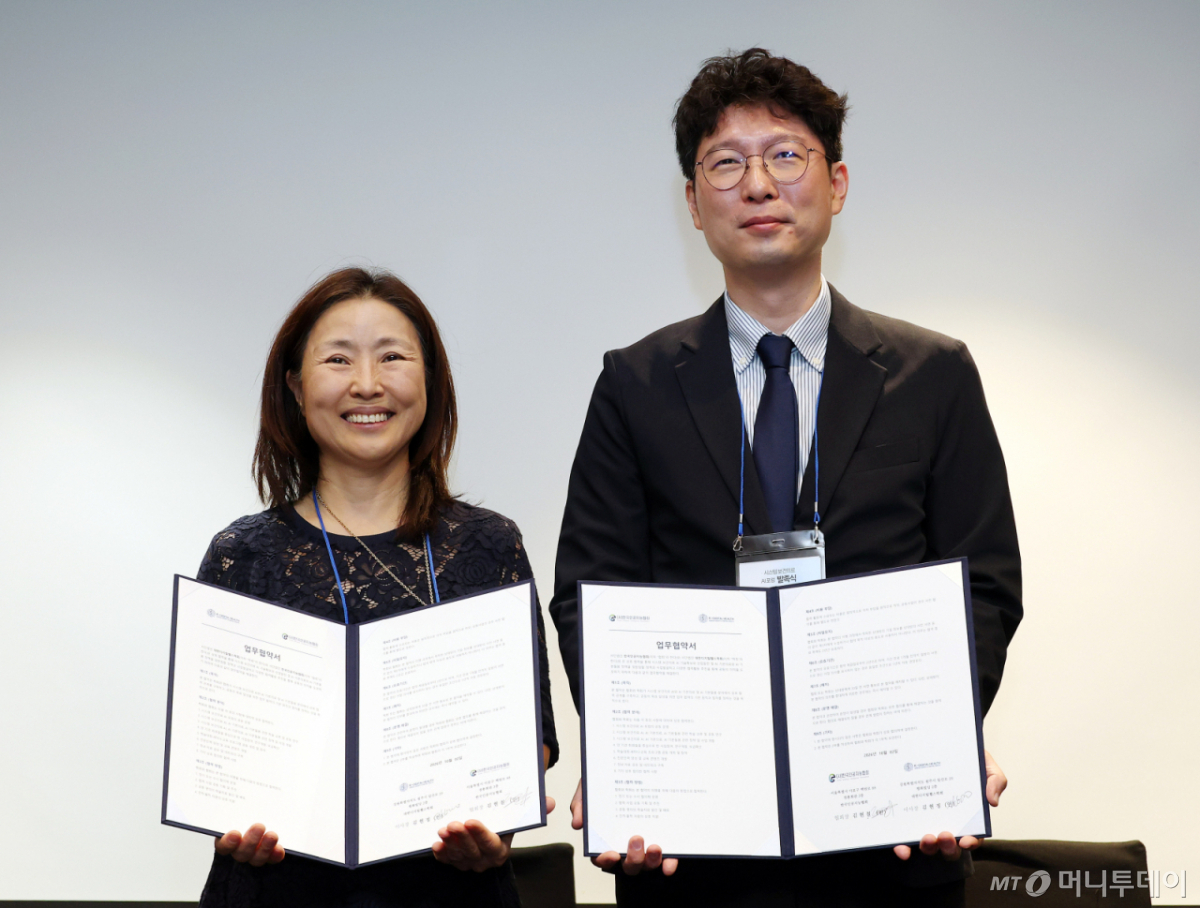
As demand for healthcare and care surges with the entry into a super-aged society, the 'System Health AI Forum,' established with the goal of connecting fragmented healthcare and care settings through artificial intelligence (AI), was officially launched on the 2nd.
The Korean Society for Digital Health and the Korea Artificial Intelligence Association held the forum launch ceremony at the Gladd Hotel in Yeouido, Seoul, on this day and signed an operation and cooperation agreement. Kim Hyeon-jeong, Lee (President) of the Korean Society for Digital Health (Professor at Seoul National University), serves as chairperson, while Yoon Kyung-sik, Advisor to the Korea Artificial Intelligence Association (Professor at Kyung Hee University), serves as vice-chairperson, leading the forum.
In her launch speech, Kim (Chairman) addressed the issue of disconnection in integrated care settings. She stated, "Even within the same nursing home, social workers, nurses, and care workers each operate under separate systems," adding, "System AI is not about technology, but about connecting people's thoughts." She explained that with integrated care entering nationwide implementation this March, establishing a cross-professional collaboration system remains a challenge.
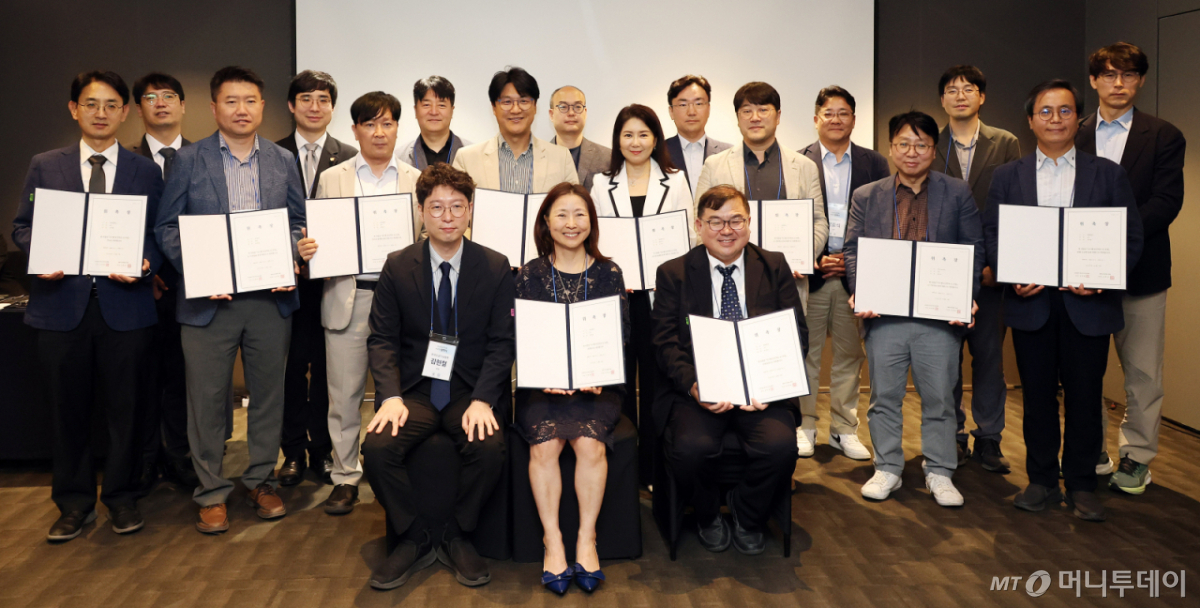
The forum is organized into five subcommittees: △Infrastructure and Platform, △AI Basic Healthcare, △AI Basic Care, △Integration and Global, and △Policy, System, and Governance. University faculty members, along with representatives from major corporations such as Samsung Electronics and Microsoft, and digital health startups such as Human Positive and Health Connect, have been appointed as subcommittee members.
The vision set by the forum is to build a Korean-style system health AI integrated platform that "connects the entire lifespan into one, from molecules to society." The plan goes beyond AI that assists in individual diagnoses, such as image reading, to establish healthcare foundation models and virtual human digital twins, and utilize them for prevention, treatment, and care. In the long term, the establishment of a non-profit public interest foundation is also under consideration.
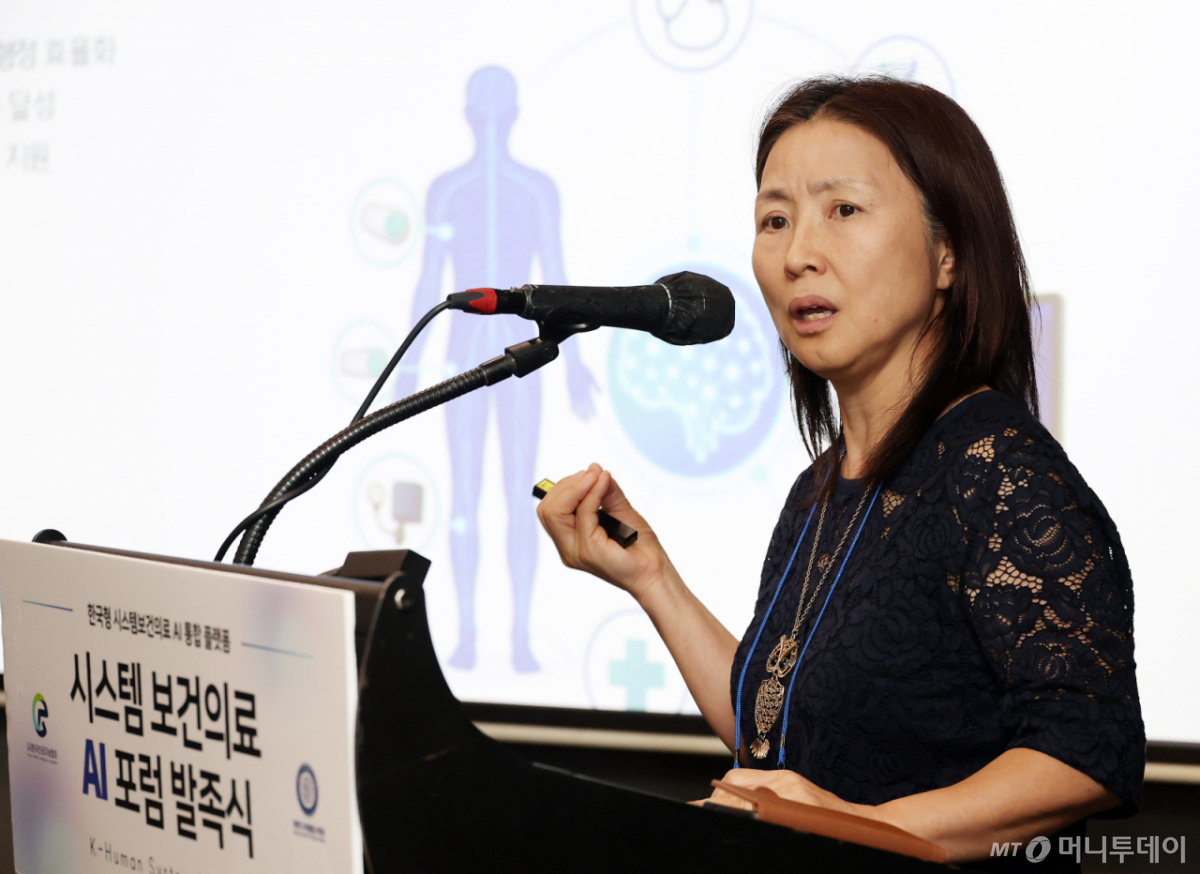
The keynote speech included discussions on the regulatory and commercialization difficulties faced by medical AI startups in the field. Kim (Chairman), who is also the CEO of startup SMD Solution, shared her experience in developing digital therapeutic devices, stating, "The most important institutional investor is the hospital," and adding, "Products must be designed with reimbursement methods in mind from the start to enable sales after obtaining approval." She further emphasized, "Most biomarkers primarily used in Korea come from the United States or China," stressing the need to discover Korean-style biomarkers and secure data sovereignty through sovereign AI.
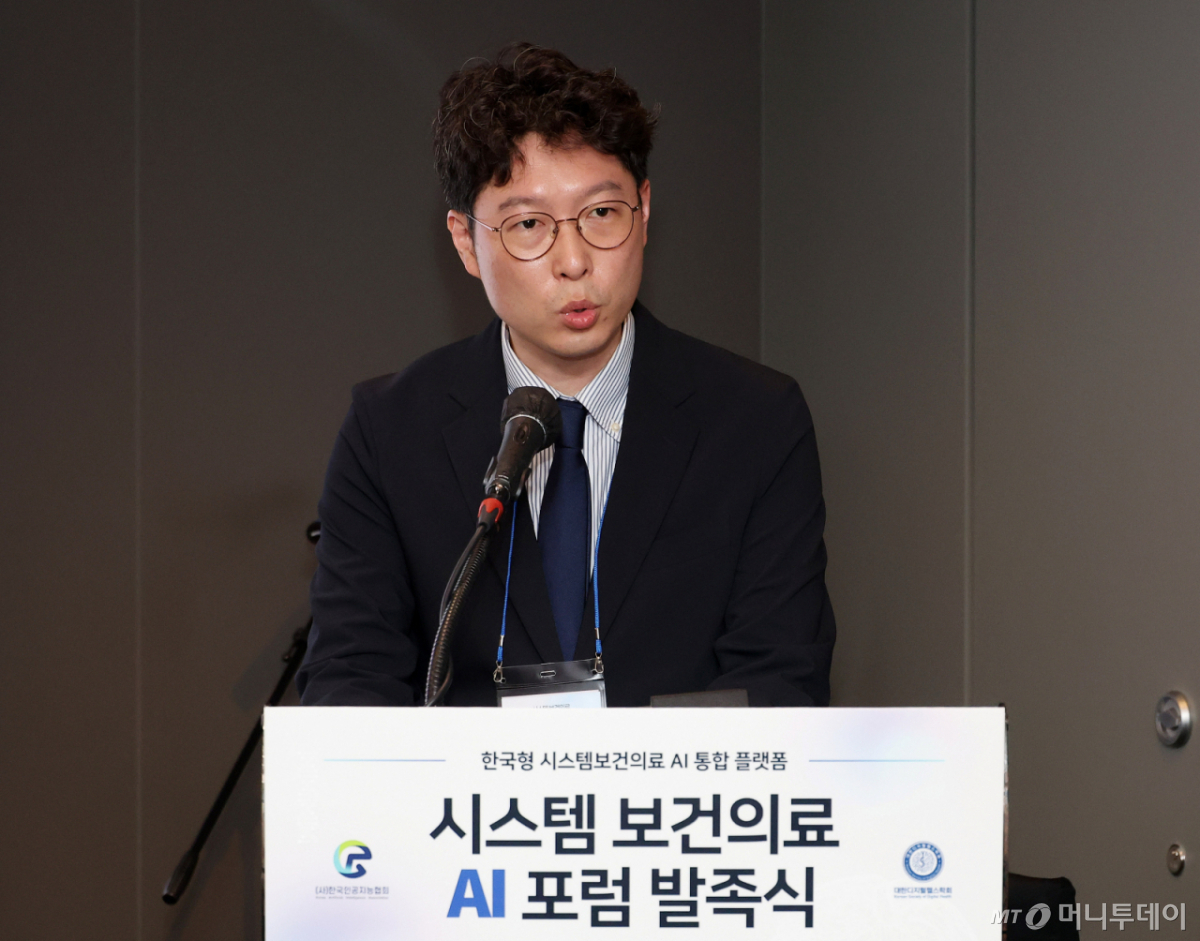
Issues regarding systems and infrastructure hindering the commercialization of medical AI experienced in the field were also raised. Choi Woo-sik, CEO of Deepnode, shared a case where his company's product took more than a year from being designated as an innovative medical technology to actual non-covered billing, despite the number of domestic medical AI approvals increasing from 37 cases in 2021 to 153 cases last year. Choi (CEO) stated, "The market opens only when evidence and compensation procedures are predictable."
Choi Du-a, CEO of Human Positive, which is conducting a pilot project for AX (AI Transformation) at health centers, pointed out the IT infrastructure issues of medical institutional investors. Choi (CEO) said, "Real-time AI cannot be run on systems built more than 10 years ago," adding, "If IT and human resource infrastructure are not resolved, AX may remain merely a slogan."
At the forum launch ceremony on this day, government institutional investors and the National Assembly also expressed their will to support. Mok Seung-hwan, Director of the Startup Venture Innovation Division at the Ministry of SMEs and Startups, stated in his congratulatory speech, "Even with excellent technology, there are many difficulties in verifying it in clinical settings and connecting it to the market," adding, "We will work with relevant institutional investors to ensure that startups can enter the market by cooperating with medical institutional investors and research institutional investors."
Song Ki-heon, Bang Song-tong-sin (Chairman) of the National Assembly's Science, ICT and Future Planning Committee, Rep. Choi Bo-yoon of the People Power Party, Hong Seung-gwon, Shim Sa-pyeong-ga (Director) of Health Insurance, Ko Sang-baek, President of the Korea Health Industry Development Institute, and Yeom Min-seop, President of the Korea Health Information Service, also attended the event and sent congratulatory messages.
The forum plans to prepare policy and business proposals through monthly subcommittee meetings and regular forums held every two months. It aims to achieve visible results by the second half of next year and will support business partnering among participating companies and the formation of R&D consortia.
Along with technology development, the forum plans to place the perspective of citizens who actually use medical and care services at the center of discussions. Kim (Chairman) emphasized, "Through the forum, we will faithfully reflect the perspectives of patients and citizens who directly use the technology," adding, "We will contribute to promoting the health and recovery of the people."
[MoneyToday Startup Media Platform Unicorn Factory]

 in FUTURE


