

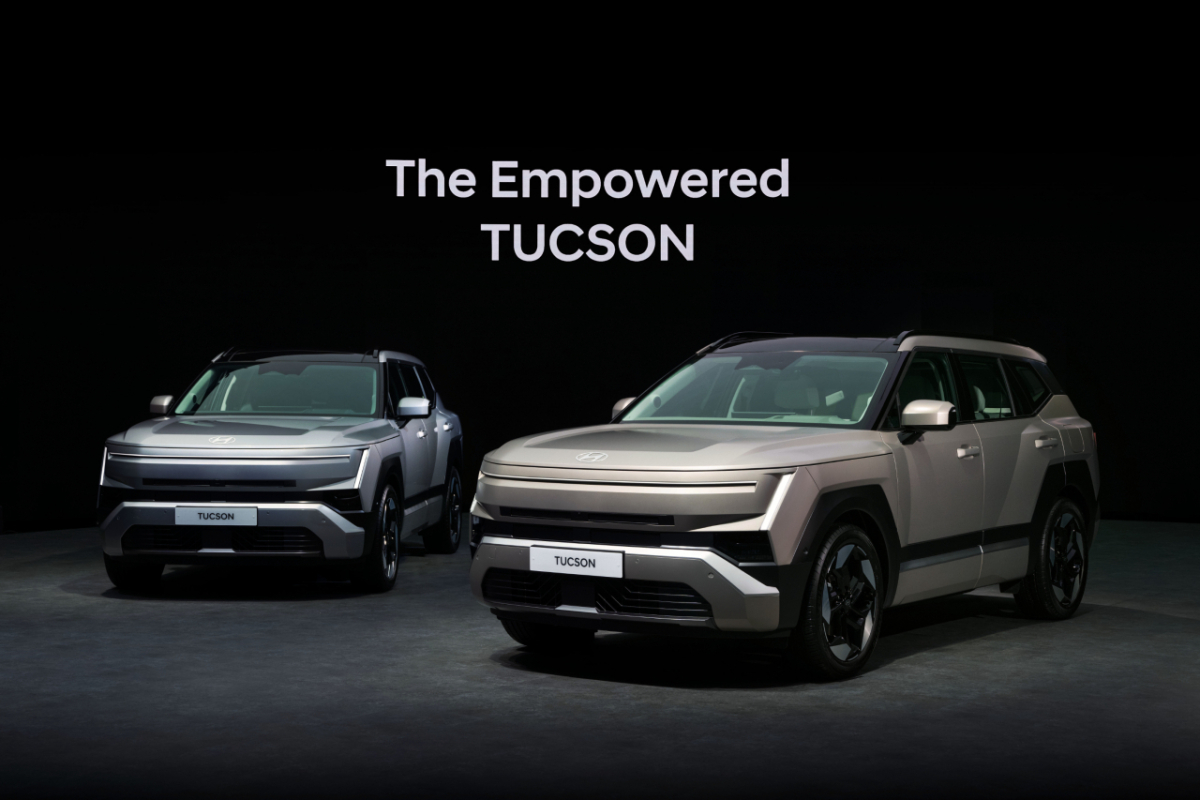
Hyundai Motor revealed a new model of its flagship SUV, the Tucson. The vehicle features an enlarged body to expand interior space, enhanced HYBE-led performance, and upgraded advanced safety and convenience specifications. The company aims to capture the highly sought-after compact SUV market and drive up domestic sales.
On the 18th, Hyundai Motor held the 'All New Tucson Media Day' at the CJ ENM Studio Center in Paju, Gyeonggi, showcasing the fifth-generation fully redesigned model for the first time in six years. Powertrain options include a 1.6-liter turbo gasoline engine and a 1.6-liter turbo HYBE-led system. Prices will be announced next month, followed by domestic sales launch.
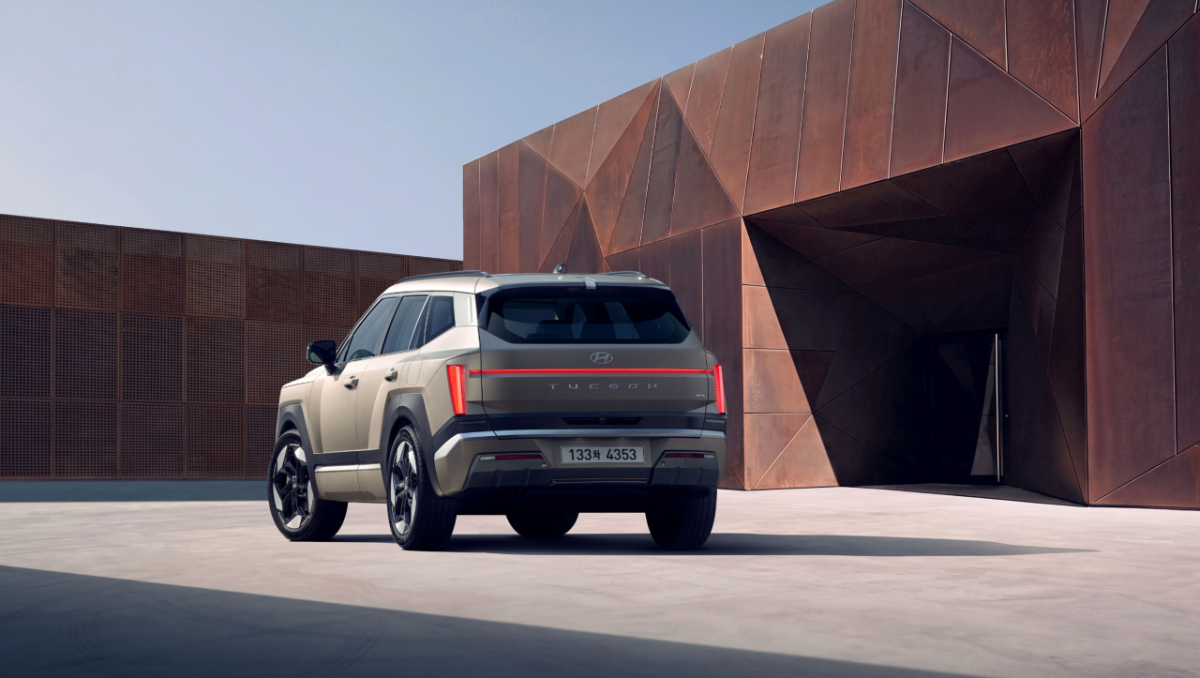
The exterior design reflects Hyundai's 'Art of Steel' design language, emphasizing the robustness of steel. The front features vertical daytime running lights and a horizontal slim center lamp to make the vehicle appear wider. The side profile showcases three-dimensionally sculpted fenders that wrap around the wheels. For the XRT trim targeting outdoor enthusiasts, a dedicated grille, wheel-wrapping finishers, and under-bumper protective plates have been added.
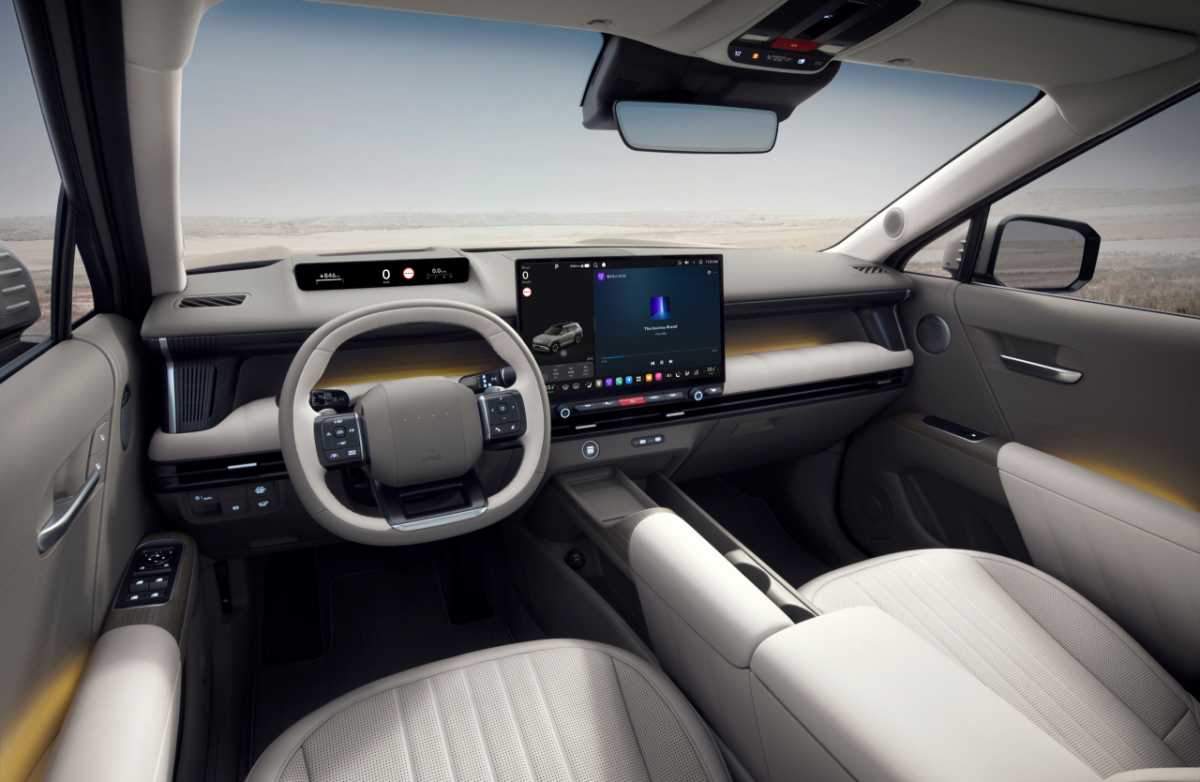
The interior space has also expanded compared to the previous model. Overall length, width, and wheelbase increased by 60mm, 40mm, and 30mm, respectively. Second-row legroom grew by 14mm to 1,064mm, while headroom increased by 29mm to 1,031mm. The second-row door opening angle widened from 73 degrees to 83 degrees, making it easier to load children or cargo. Cargo capacity increased by 22 liters. Additionally, a large center display was adopted to enhance the sense of spaciousness.
Power performance has also been improved. The 1.6-liter turbo gasoline engine delivers maximum output of 193 horsepower and peak torque of 27.0 kgf·m, representing a 13-horsepower increase over the previous model. The HYBE-led system incorporates next-generation technology, achieving a combined maximum output of 245 horsepower and fuel efficiency of 17.4 km/L. A 'Stay Mode' feature allows use of the air conditioner and audio system while the engine is off during stops.
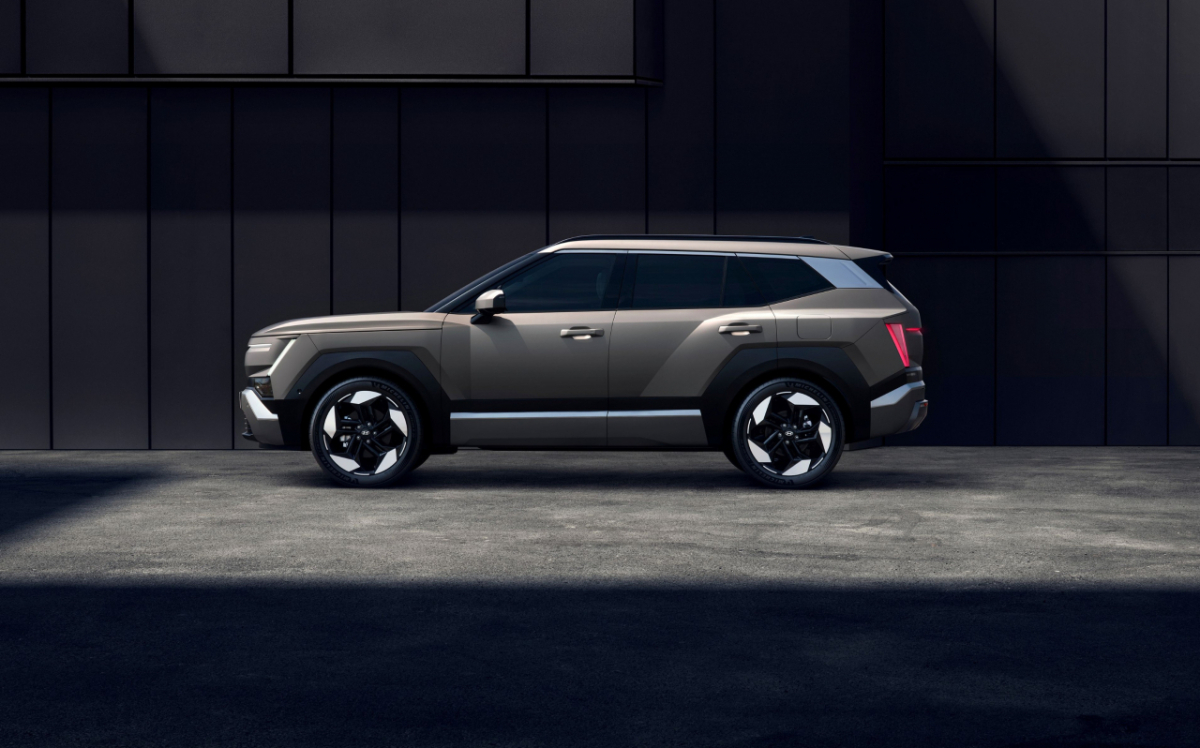
Ride comfort has been improved to match the larger body. Reinforcements were added to the front suspension mounting points and the lower rear chassis structure. The drag coefficient was reduced from 0.33 to 0.30.
Safety specifications focus on emergency response capabilities. For the first time in Hyundai Motor history, a function has been implemented that unlocks doors using backup power if vehicle power is cut off due to an accident, allowing occupants to exit safely. A feature that assists braking when the accelerator pedal is mistakenly pressed instead of the brake has been standard across all trims. 'Memory Reverse Assist,' which remembers the path driven and automatically controls steering during reverse maneuvers, and 'Ground View,' which displays the road surface beneath the vehicle on screen, have been introduced for the first time in their class.
In terms of convenience features, Hyundai Motor has applied the infotainment system 'Pleos Connect' to its SUV lineup for the first time. Users can access 'Pleos App Market,' which allows downloading and using apps like smartphones, and 'Gleo AI,' a conversational AI assistant.
Hyundai Motor plans to expand its market share with the new Tucson. Domestic sales from January to August this year totaled 399,159 units, a 15% decrease compared to the same period last year due to production disruptions caused by strikes and delayed demand for new models.
Seo Man-gyu, Executive Director of Hyundai Motor's MLV Project 1 Division, stated, "Based on feedback from previous-generation customers, we set improving vibration transmission from road surfaces as a key priority. We have delivered the most fundamental expectations customers have for SUVs at an enhanced level."

 in INDUSTRY


