

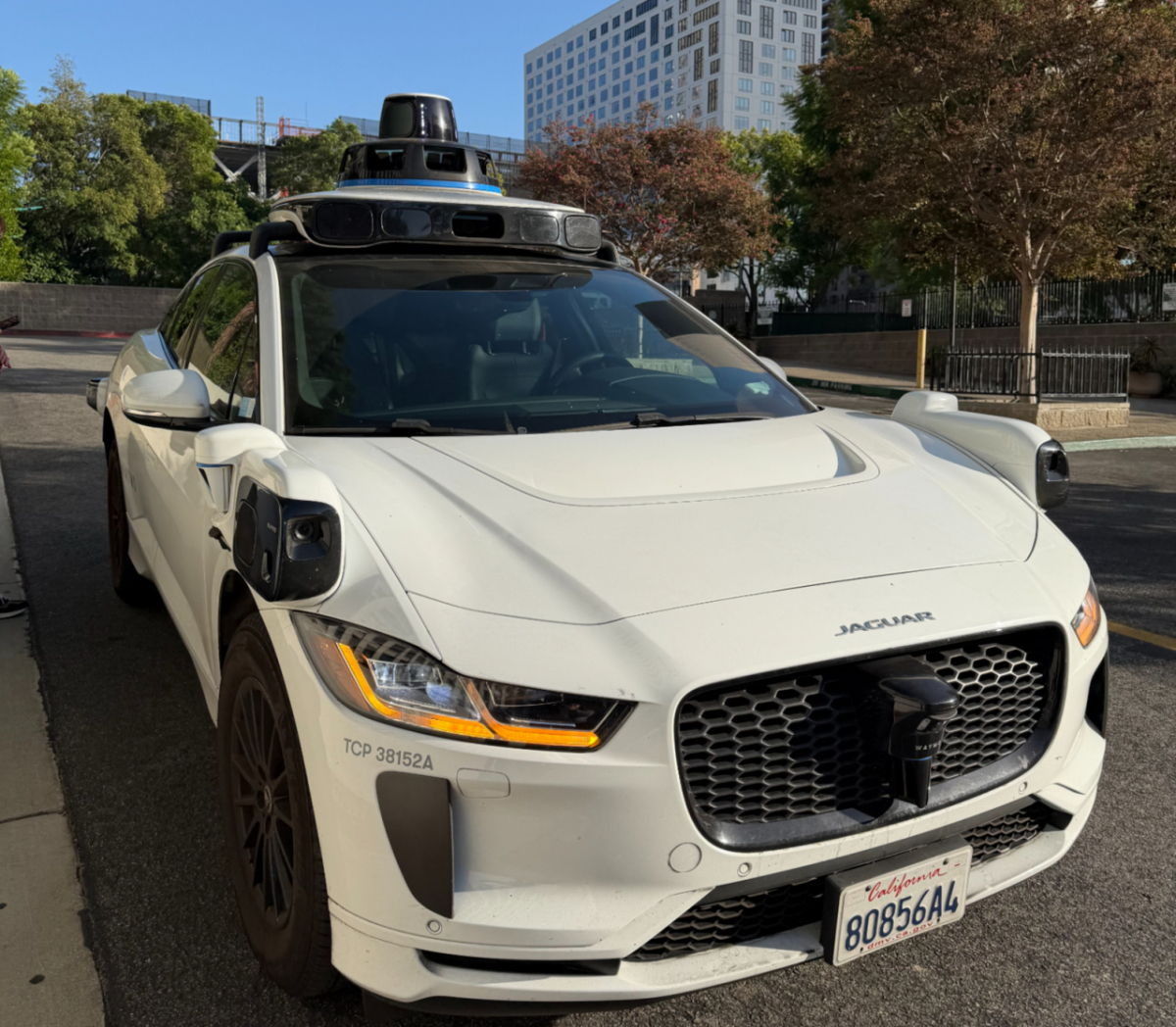
Downtown Los Angeles (LA), USA, on the 30th of last month (local time). After calling a car via smartphone, a white vehicle equipped with sensors on its roof and various parts of the body approached the designated spot shortly after. It was a robotaxi operated by Waymo, Google's autonomous driving subsidiary. The destination was Little Tokyo. I entrusted myself to the driverless vehicle for about 15 minutes.
The first hurdle to using Waymo was installing the application (app). In LA, one must call Waymo through a dedicated app. However, iPhones cannot download the app with a Korean account, so a separate US account had to be created. While not difficult, it was a somewhat cumbersome procedure for travelers visiting the United States.
After installing the app and entering the destination, several pickup points around the current location were displayed. It appeared that locations where vehicles could easily park were pre-designated. After selecting the desired pickup point, I boarded by pressing "Open Door" in the app once the vehicle arrived.
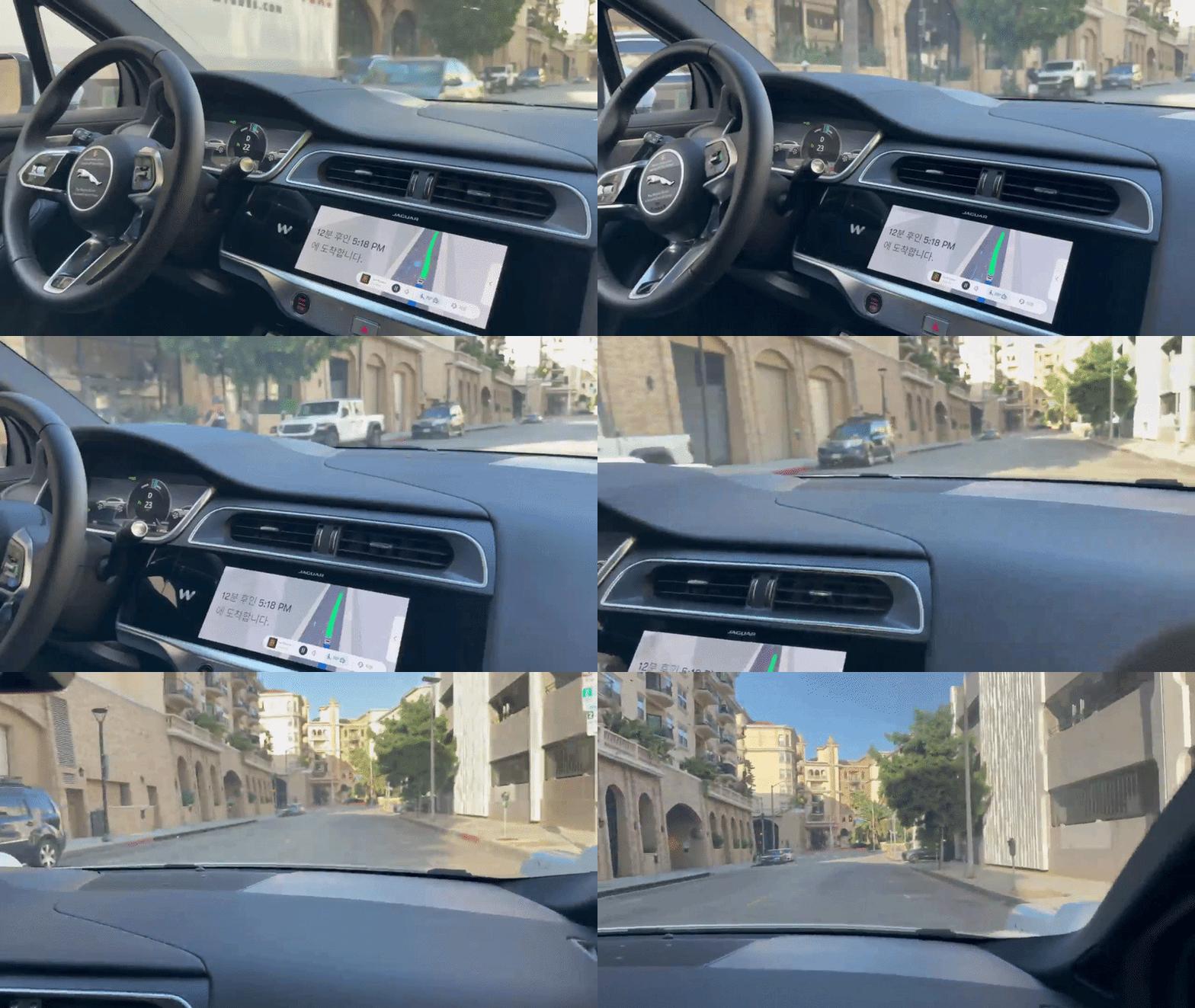
What was surprising immediately after getting into Waymo was the "Korean" service. From departure and arrival notifications on the vehicle's screen to various functions, everything was provided in Korean. It stood out that one could use Waymo, which is not serviced in Korea, in LA hanbok without using English much.
This is because Waymo added seven languages, including Korean, Japanese, French, and German, in March last year. Depending on the smartphone's language settings, the app, in-vehicle screens, and voice guidance are provided in that language. It is a measure to enhance convenience for international travelers and lay the foundation for future expansion into overseas markets.
Setting aside the surprise, I pressed the "Depart" button on the vehicle screen, and the car with an empty driver's seat began to move. Once it fully entered the road, I was surprised by its driving ability again. It maintained an appropriate distance from the car ahead and accelerated or decelerated naturally. When changing lanes, it turned on the turn signal, checked surrounding vehicles, and merged in with plenty of room.
Sudden acceleration or braking was barely felt. Even in the complex LA downtown area, it did not feel much different from riding a regular taxi. If it were not for the steering wheel turning by itself, one might forget that it was an autonomous vehicle.
The fare to Little Tokyo was around 14 dollars. With a first-use coupon discounting 10 dollars, the actual payment amount was only 4 dollars. Upon arriving at the destination, the vehicle stopped on its own. To get out, the interior handle had to be pulled twice for safety before the door opened.
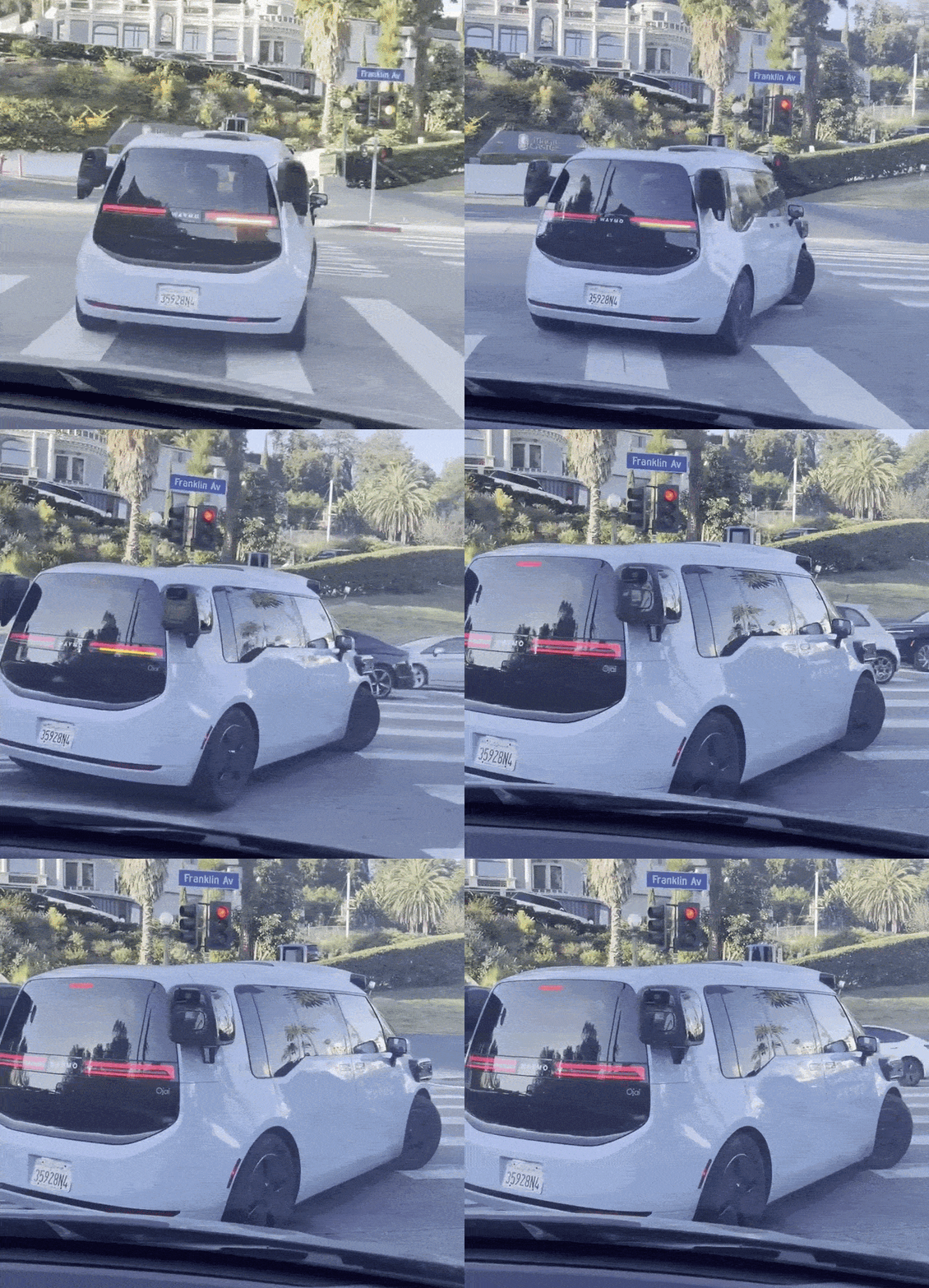
While riding directly, it was so natural that it was difficult to distinguish from a human-driven car, but other Waymo vehicles observed in LA downtown over several days also showed limitations. On roads crowded with cars during rush hour, they struggled to move before right turns or unprotected left turns, delaying the flow of following vehicles as well.
While driving a regular vehicle, I was also startled by a Waymo ahead. Perhaps because its destination was on the opposite side of the direction of travel, it suddenly stopped and attempted a U-turn across the double center line. As vehicles kept coming from the opposite side, it waited near the center line, and following vehicles stopped one after another. It only made the U-turn and arrived at its destination after all opposing vehicles had passed.
Like this, even in situations where a skilled driver would enter based on the movements of surrounding vehicles, Waymo waited until there was definite room. Its conservative judgment prioritizing safety sometimes hindered the flow of surrounding traffic.
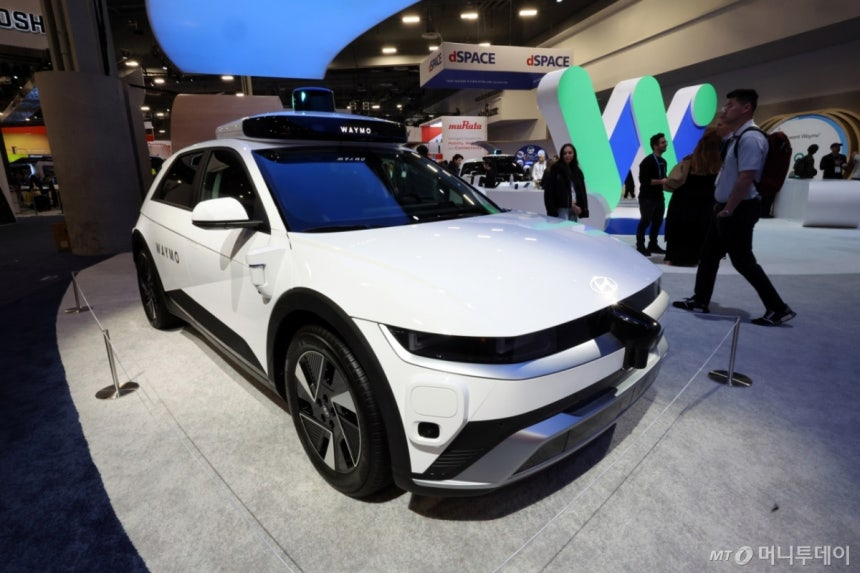
The vehicle boarded that day was a Jaguar electric SUV I-Pace, but it appears that the same experience will soon be possible in the Hyundai Motor Ioniq 5 as well. This is because Hyundai Motor announced at its "2026 CEO Investor Day" last month that it would supply Waymo-specific Ioniq 5s produced at the Hyundai Motor Group Metaplant America (HMGMA) in Georgia, USA, starting from the fourth quarter of this year.

 in INDUSTRY


