

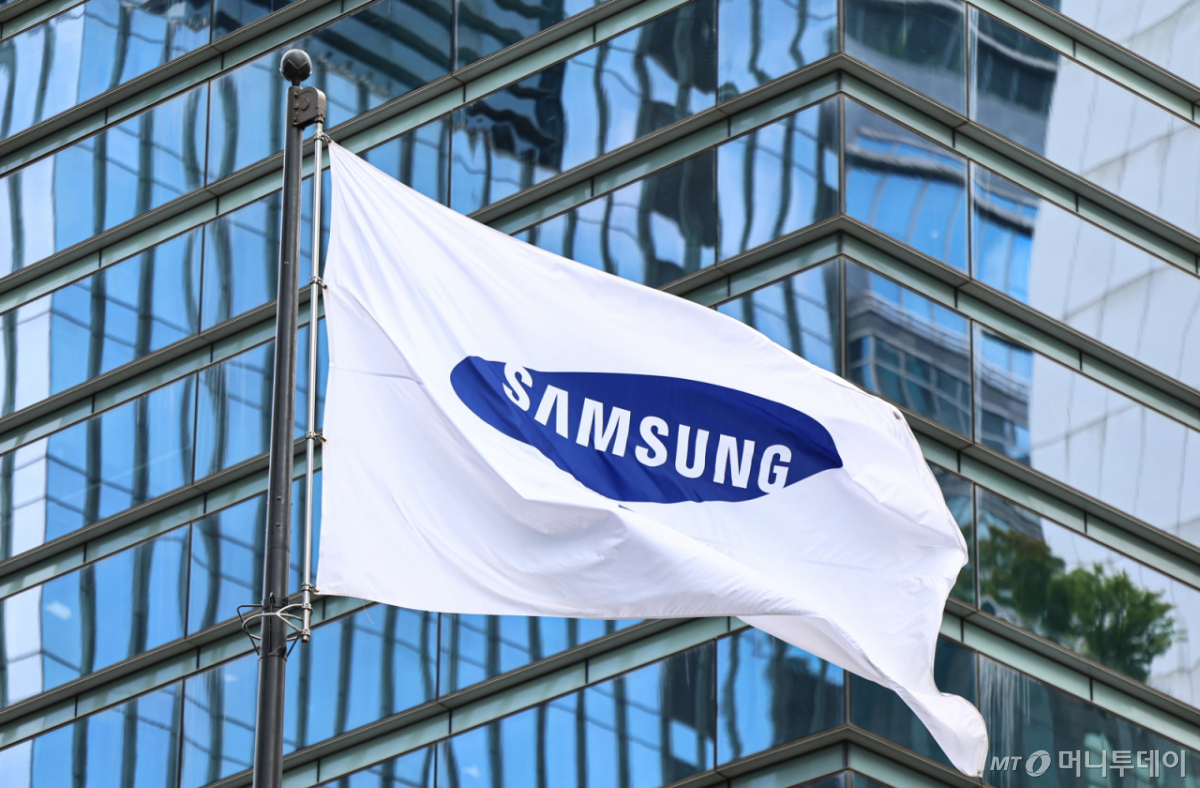
Samsung Electronics is poised to become the first Korean company in history to enter the era of 100 trillion won in quarterly operating profit. With expanding demand for HBM (High Bandwidth Memory) and rising DRAM prices, it is estimated that the memory semiconductor business alone generated approximately 110 trillion won in operating profit. In particular, the spread of long-term supply agreements (LTAs) has further heightened assessments of the sustainability of the memory market boom.
According to industry sources on the 7th, Samsung Electronics will release its preliminary earnings for the third quarter at 9 a.m. on the 8th. According to financial information provider FnGuide, the consensus estimate (average forecast from securities firms) for Samsung Electronics' operating profit in the third quarter of this year is 106.6401 trillion won. If this figure materializes, it will mark the first time a domestic company has surpassed 100 trillion won in quarterly operating profit.
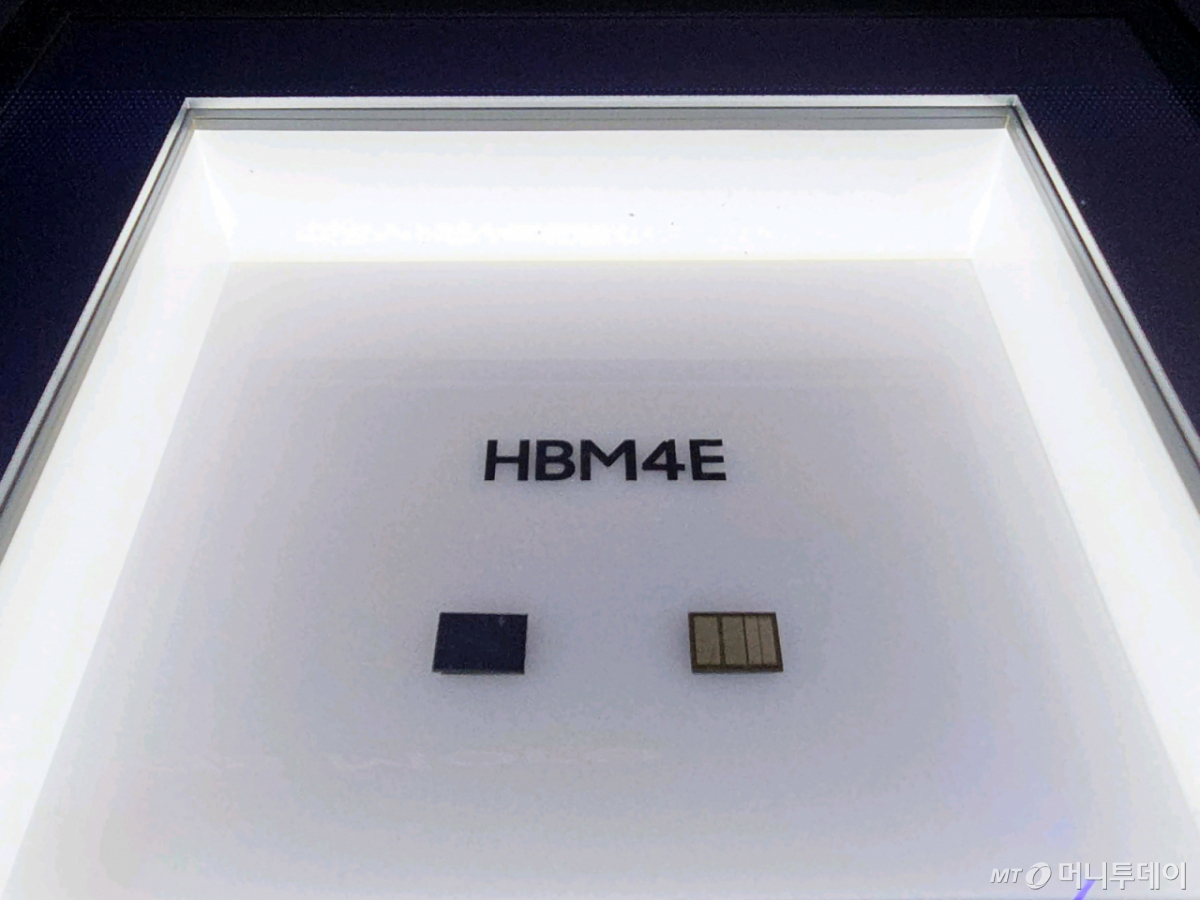
Memory is undoubtedly the key driver. The securities industry estimates that the memory business alone generated operating profit of around 110 trillion won. In particular, with the full reflection of HBM4 (6th generation) revenue for Nvidia's next-generation AI platform "Vera Rubin" beginning this quarter, it appears to have bolstered performance.
Samsung Electronics' presence in the HBM market is also growing. According to market research firm Counterpoint Research, Samsung Electronics held a 33% share of the global HBM market in the previous second quarter, closing in on SK Hynix (50%). Kim Dong-won, a researcher at KB Securities, predicted that "Samsung Electronics' HBM revenue share will double from 40% this year to 80% next year."
DRAM prices also continued their upward trend. Market research firm TrendForce expects general-purpose DRAM contract prices in the third quarter of this year to rise by 13% to 18% compared to the previous quarter. Although the rate of increase has slowed from the previous quarter (53% to 58%), it remains a double-digit growth rate. Kim Sun-woo, a researcher at Meritz Securities, analyzed that "DRAM and NAND prices rose by 20.1% and 19%, respectively, compared to the previous quarter, driving performance improvement." Observations also suggest that Samsung Electronics' DRAM division operating profit margin, including HBM, will exceed 80% this quarter.
The expansion of LTAs is a factor enhancing the sustainability of the memory boom. This is because prolonged supply shortages of AI memory have led to a spread in movements by customers to proactively secure several years' worth of volume. In fact, Micron recently disclosed in its earnings announcement conference call that Strategic Customer Agreements (SCAs), which are long-term supply contracts, increased from 16 to 26 cases within one quarter. Since Samsung Electronics also stated in its previous second-quarter conference call that requests for additional LTA contracts have been continuing, there is a high possibility that contracts will increase further during the third quarter.
The foundry (semiconductor contract manufacturing) business is estimated to have improved its loss margin. Samsung Electronics' HBM4 features base dies based on its own 4-nanometer (nm; 1 nm = one-billionth of a meter) process. As HBM4 production increases, the foundry's utilization rate improves structurally. In addition, with the full-scale operation of Nvidia's AI inference-specific chip "Groq3" in Yangsan, the low utilization rates that have previously weighed on profitability are expected to gradually improve.
On the other hand, the DX (Device eXperience) division, which handles finished products, is expected to record losses for two consecutive quarters. With rising raw material costs such as memory and slowing global home appliance demand, the loss margin is also expected to widen further.
Won appreciation is also a variable limiting the magnitude of earnings growth. The won-dollar exchange rate, which surged to 1,561.5 won intraday on June 5, has been fluctuating in the 1,300-won range since the 21st of last month. In its annual business report last year, Samsung Electronics estimated that a 5% decline in the won-dollar exchange rate would reduce current period profit (before reflecting corporate tax effects) by approximately 435.1 billion won.

 in INDUSTRY

