

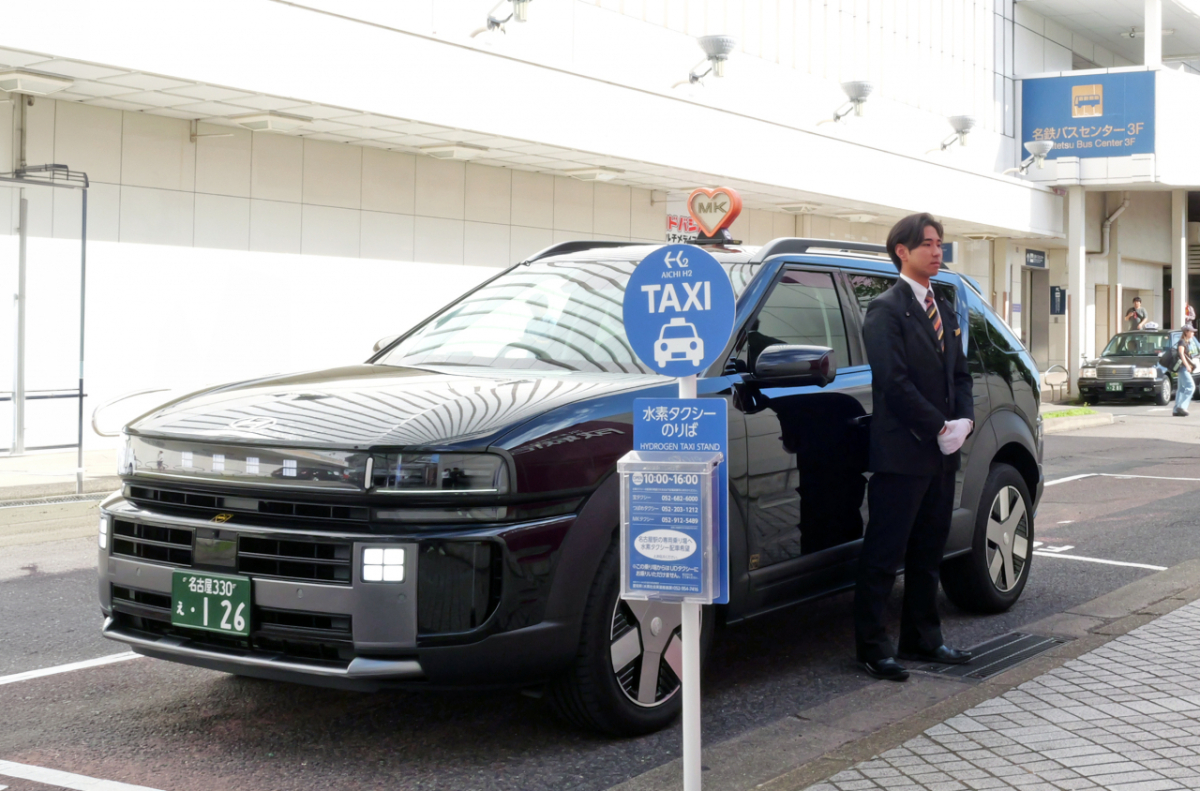
Hyundai Motor is accelerating its efforts to penetrate Japan's taxi market, which has been difficult for imported vehicles to enter, by leveraging its hydrogen fuel cell vehicle, "The all-new NEXO."
According to the Japan Automobile Dealers Association on the 8th, Hyundai's share of Japan's passenger hydrogen fuel cell vehicle market reached approximately 11% from April to August this year, since sales of The all-new NEXO began in Japan. Specifically, a total of 20 units of The all-new NEXO were sold during this period. Including units awaiting delivery to customers, the sales volume is expected to increase to 35 units, with further expansion of market share anticipated.
The secret to breaking into Japan's demanding taxi market is "performance"
A total of 183 hydrogen fuel cell vehicles were sold in Japan from April to August this year. Among these, Toyota (Mirai, Crown) accounted for 76.5% with 140 units. Honda (CR-V) ranked second with 23 units (12.6%), followed by Hyundai Motor, which sold 20 units (10.9%).
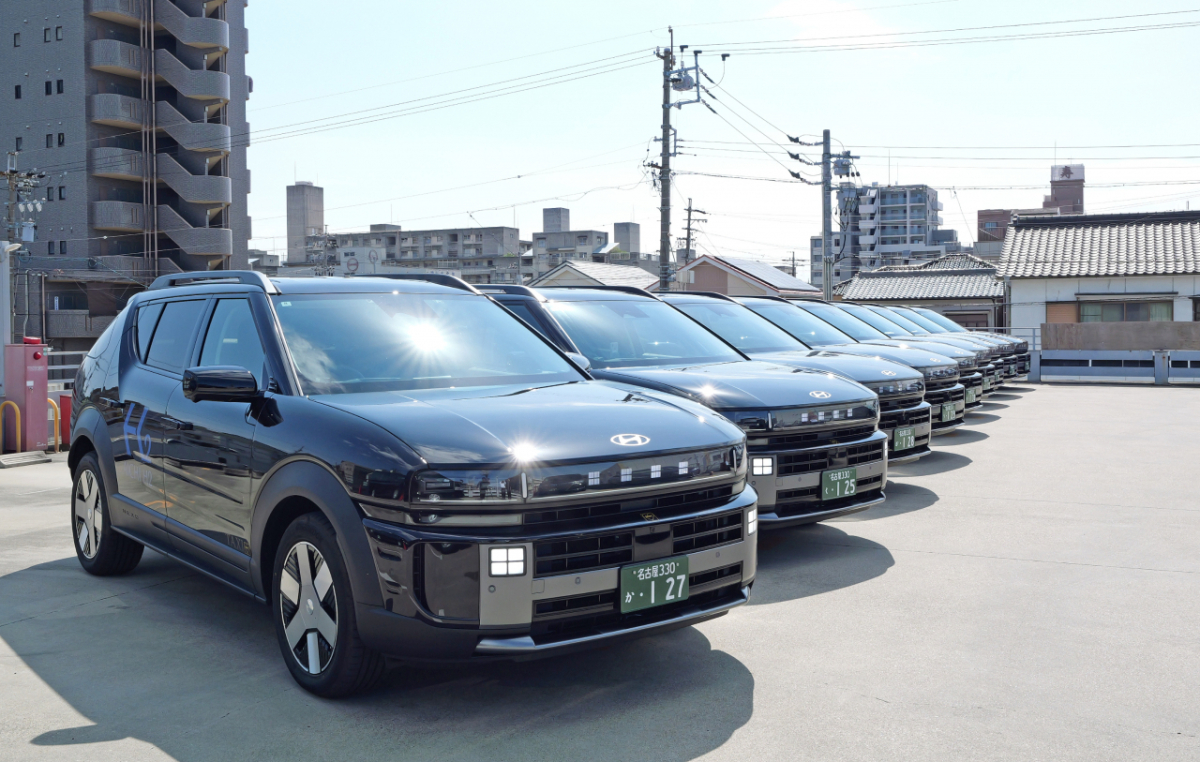
Of the 35th total hydrogen fuel cell vehicles sold by Hyundai Motor, including those scheduled for customer delivery, 22 were supplied or are scheduled to be supplied to taxi operators in Tokyo and Aichi, symbols of the Japanese automotive market, which have strict vehicle adoption standards.
Japan's taxi market is evaluated as having high barriers to entry for imported car brands, as local automakers have dominated the market for a long time. Additionally, it is known that standards are strict regarding vehicle reliability and durability, as well as the convenience of passenger interior and cargo space, quietness, and operating costs.
The fuel cell system of The all-new NEXO achieves 94 kW (kilowatts), which is 11% higher in rated output than the previous model. It ensures uniform performance and durability even during long-duration operation through technology that prevents damage to the electrolyte membrane, vulnerability analysis of the stack, and reinforced design.
The high-voltage battery design reflects the characteristics of hydrogen fuel cell vehicles, where charging and discharging occur rapidly and repeatedly. While maintaining the volume of the battery system, output was doubled from the previous 40 kW to 80 kW. The durability of the fuel cell system was verified under harsh conditions reflecting actual customer driving environments, such as urban traffic congestion and long periods of idling.
The biggest strength is its overwhelming driving range. The all-new NEXO can drive up to 720 km on a single charge. According to Japan's WLTC (official fuel economy measurement method) certification standards, the driving distance per hydrogen refueling reaches 1014 km. This is expected to receive a strong response in the Japanese taxi industry, where vehicles typically travel approximately 50,000 to 100,000 km annually.
A spacious interior that enhances passenger convenience is also an advantage. The all-new NEXO features more generous second-row space compared to the previous model, along with a 510-liter trunk space. Additionally, The all-new NEXO sold in Japan comes standard with V2H (Vehicle-to-Home) functionality, which can stably supply power from the vehicle's internal battery to external homes or home appliances during disasters or power outages.
Japanese government and local governments actively support hydrogen taxi adoption
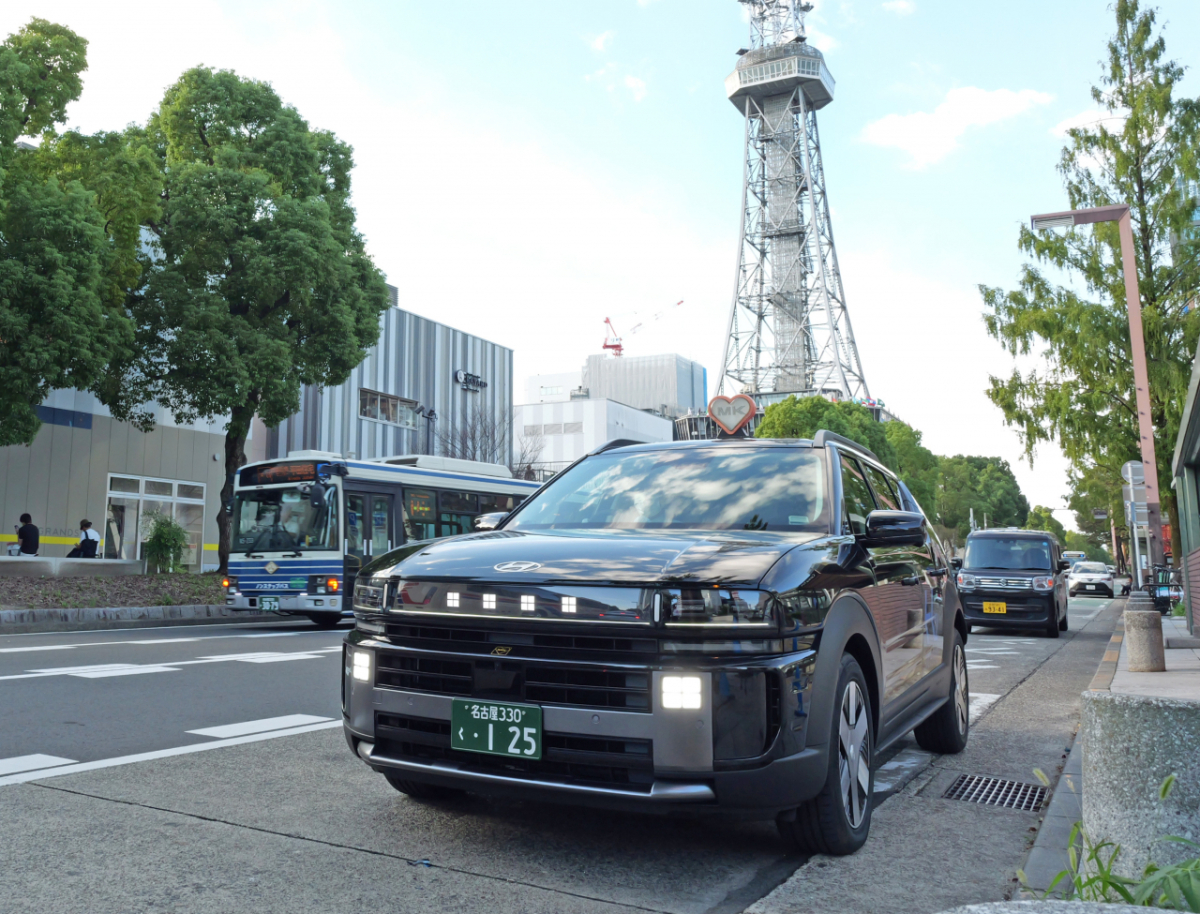
It is analyzed that the expansion of The all-new NEXO's market share in Japan's taxi market was positively influenced by high product quality, as well as hydrogen mobility expansion policies from the government and major local governments.
The Japanese government has designated commercial vehicles such as taxis, buses, and trucks, which have significant greenhouse gas reduction effects and promote hydrogen consumption, as "priority hydrogen mobility vehicle types." It is implementing various support measures, including purchase subsidies for hydrogen fuel cell taxis.
Tokyo Metropolitan Government is executing large-scale subsidies through its eco-friendly policy "TOKYO H2" project, aiming to deploy 600 hydrogen fuel cell taxis by 2030 and 10,000 commercial hydrogen fuel cell vehicles by 2035. It also provides fuel cost subsidy benefits that support the difference in hydrogen refueling costs compared to LPG (Liquefied Petroleum Gas) within a limit of up to 1.3 million yen annually.
Aichi Prefecture, the center of Japan's automotive industry, is also aiming to introduce 250 hydrogen fuel cell taxis by 2030 and provides a vehicle adoption subsidy of 3.5 million yen per unit. It also pays a fuel cost subsidy of 576 yen per kilogram of hydrogen to reduce the burden on transportation operators.
Hyundai Motor is expanding opportunities for Japanese customers to directly experience the driving performance and convenience of The all-new NEXO in connection with this policy environment. Recently, during the Asian Games period, it partnered with local taxi companies to support 7 The all-new NEXO taxis as ceremonial vehicles for the Republic of Korea's national archery team. During the event, The all-new NEXO was deployed at the "dedicated hydrogen taxi boarding area" installed at Nagoya Station, and a "NEXO ride experience program" targeting guests staying at local hotels was also conducted.
A Hyundai Motor official stated, "Japan's taxi industry, which is sensitive to durability and convenience, is showing interest in The all-new NEXO," adding, "The all-new NEXO taxis will serve as an opportunity to increase accessibility to imported passenger cars and hydrogen fuel cell vehicles, leading to positive evaluations."

 in INDUSTRY


