

When national university hospitals build regional branches, those in the capital region receive hundreds of billions of won in support from local governments, while regional branches effectively receive not a single won of local government support. Regional branches built without local government support have fallen into consecutive capital impairments while carrying massive debt.
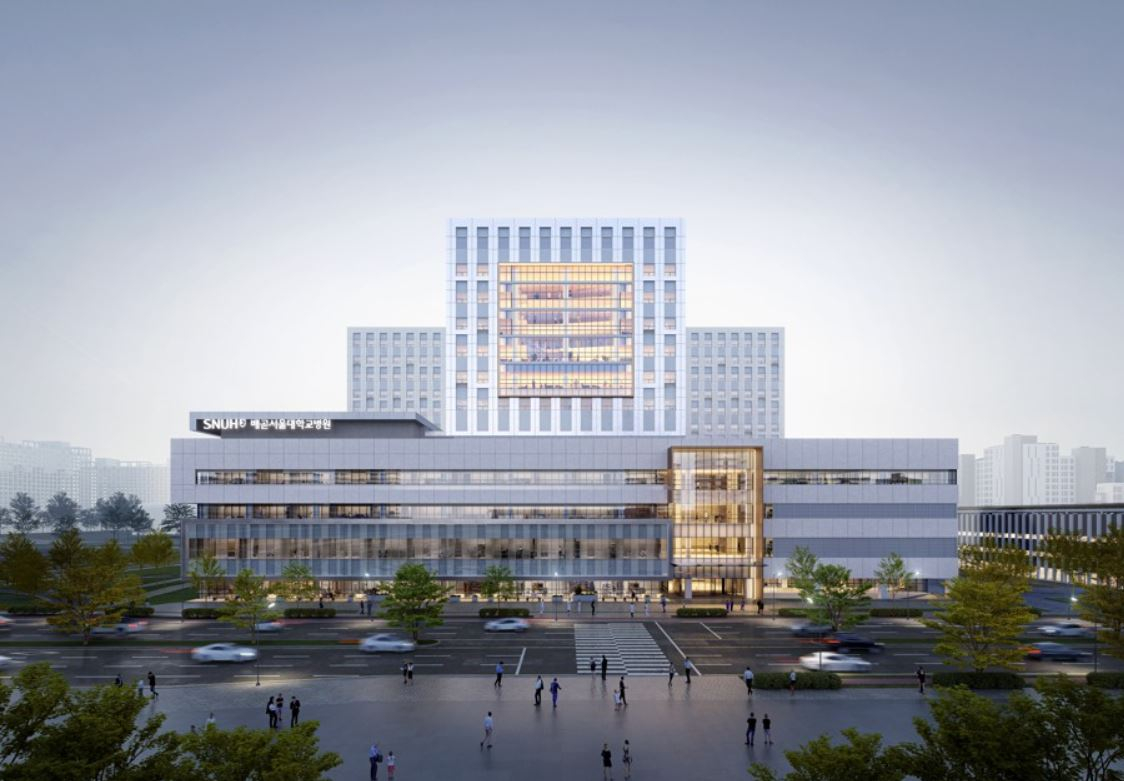
According to "Financial Status of Main and Branch Hospitals and Details of Local Government Support for Branch Construction Funding" received by Heo Jong-sik, a Democratic Party of Korea lawmaker on the National Assembly Health and Welfare Committee, from Seoul National University Hospital, Chungnam National University Hospital, Kyungpook National University Hospital, Pusan National University Hospital, Chonnam National University Hospital, and Gyeongsang National University Hospital, Seoul National University Hospital agreed to receive 58.7 billion won in hospital construction support from Siheung City for the construction of the Siheung Baegot Seoul National University Hospital in Siheung, Gyeonggi Province.
Seoul National University Hospital cited "the worsening financial deficit of hospitals due to the prolonged medical vacuum situation in 2024" as the reason for support. Following a resolution by the Siheung City Council (May 2025) and the Central Investment Review by Gyeonggi Province (July), Seoul National University Hospital, Seoul National University, and Siheung City signed an agreement on July 28 of last year.
In contrast, none of the six regional national university hospital branches received construction cost support from local governments. Changwon Gyeongsang National University Hospital, Sejong Chungnam National University Hospital, Yangsan Pusan National University Hospital, Hwasun Chonnam National University Hospital, and Bitgoeul Chonnam National University Hospital all had "no applicable items" for local government support. Chilgok Kyungpook National University Hospital received only 2.5 billion won from the local government when building an elderly health medical center, with no local government support for the construction of the main hospital building. Of the total project cost of 93.2 billion won for the main building of Chilgok Kyungpook National University Hospital, the hospital directly bore 76.9 billion won, which is 82%. The national government contribution was 16.4 billion won.
Given this situation, regional national university hospitals have seen their financial conditions deteriorate, including falling into capital impairment. As of the end of 2025, Chilgok Kyungpook National University Hospital's debt stood at 159.5 billion won, with a debt ratio reaching 708%. Sejong Chungnam National University Hospital and Changwon Gyeongsang National University Hospital had debts of 281.6 billion won and 299.1 billion won, respectively. Both hospitals are in a state of complete capital impairment with negative total equity, at -193.3 billion won for Sejong Chungnam National University Hospital and -180.5 billion won for Changwon Gyeongsang National University Hospital.
The financial distress of regional branches has spread to the main hospitals. While Chungnam National University Hospital showed a surplus of 160 million won for its main hospital alone last year, the entire hospital fell into deficit as the Sejong branch incurred a loss of 32.7 billion won. Gyeongsang National University Hospital had a debt ratio of 79% for its main hospital, but the combined debt ratio of the main and branch hospitals soared to 2,957% due to the capital impairment of the Changwon branch. Of the total deficit of 59.6 billion won for Gyeongsang National University Hospital, 59% (35.4 billion won) came from the Changwon branch.
The situation was different for branches in the capital region. Bundang Seoul National University Hospital had no debt as of the end of 2025, with total equity of 734.1 billion won and net income for the period of 33.9 billion won. Yangsan Pusan National University Hospital, built through a government grant project even in a regional area, avoided capital impairment with total equity of 110.7 billion won. The financial status of branches has thus diverged depending on who provides the construction funding.
Heo Jong-sik pointed out, "Even though they are all national university hospital branches, local governments add hundreds of billions of won in the capital region, while regional branches start with debt without a single won of local government support," adding, "The fate of branches is being determined by the state of local government treasuries."
He further emphasized, "The state must not turn a blind eye to a structure where regional branches established to maintain essential regional healthcare are saddled with debt immediately after opening," stating, "Standards for national funding support for branch construction should be established, construction debt interest and operational deficits in the early stages of operation should be subsidized for a certain period, and high-interest debt should be converted into long-term low-interest policy funds."

 in THEBIO
