

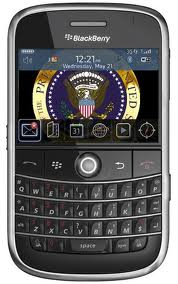
A BlackBerry phone with a black body and a compact QWERTY keyboard is making a comeback in the hands of Gen Z. Last year, a single TikTok video calling for the phone's relaunch surpassed 6 million views and received over 500,000 "likes." Related posts exceeded 125,000. The outdated BlackBerry phone, once criticized for lacking functionality, has become a fashion item for younger generations.
BlackBerry itself did not return as a smartphone manufacturer. Instead, it transformed into a software company that powers the communication networks of automobiles, medical devices, industrial robots, and government and defense institutions.
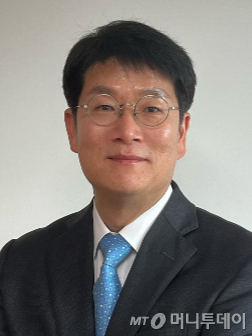
Song Han-jin, CEO of BlackBerry Korea Secure Communications, said, "Many people thought BlackBerry had withdrawn from the Korean market when it ended its phone business in 2016, but that is not true. Over the past decade, we have transitioned into a software company that safely operates critical systems."
What made BlackBerry phones special was not just their keyboards. The core lay in communications security technology that allowed governments and companies to securely exchange emails and messages via smartphones, ensuring only authorized people and devices could access work data. Former U.S. President Barack Obama also used BlackBerry devices at the start of his term, strengthening security and limiting contact points.
BlackBerry's transformation… From smartphone manufacturer to software company
BlackBerry applied the technologies it accumulated while making smartphones to security. It protects calls, messages, and file sharing on iPhones and Android phones. Unlike traditional cybersecurity that blocks malware and external intrusions, it safeguards the "moment" when people communicate via smartphones and send data. Client organizations can directly control who their employees contact, which devices they use to connect, and what they can share.
BlackBerry's current business is divided into two segments: the software 'QNX' embedded in vehicles, robots, and medical devices, and secure communications 'Secure Communications.' QNX has been installed in over 275 million vehicles worldwide and has already established a stable business foundation in Korea.
The 'Secure Communications' segment is now taking its first steps in the Korean market. It offers three solutions: 'UEM,' which manages work smartphones and company data; 'SecuSUITE,' which converts general smartphones into secure devices to encrypt calls, messages, and files; and 'AtHoc,' which protects communication networks via apps, texts, and calls during crises. All three have gained references from foreign governments and national institutions.
In particular, AtHoc asks recipients, "Are you in a safe place?" When users reply "I am safe" or "I need help," the situation room can identify on-screen who remains in dangerous areas. It is also possible to trigger building announcements and electronic billboards simultaneously, or allow field staff to send photos and locations to the situation room. The system is used not only for construction site collapses, power plant accidents, forest fires, and torrential rains but also when ransomware halts work networks. Last year, the Malaysian government used AtHoc and SecuSUITE during the ASEAN Summit.
In May, BlackBerry secured IT-CEN PNS (ITCEN PNS) as its official mobile integrated security platform partner and is now targeting government/public institutions, financial sectors, defense industries, and construction/energy companies. It is also reviewing domestic security certifications required for entry into the public market together with its Canadian headquarters.
Song Ji (President) stated, "What matters is whether an organization can control communication data, encryption keys, and system operating authority itself." He added, "We will support organizations in securing digital sovereignty and maintaining safe communication and business continuity even during crises."

 in TECH

