

[For more diverse corporate information on the startups mentioned in this article, please visit 'Data Lab', a unicorn factory big data platform.]
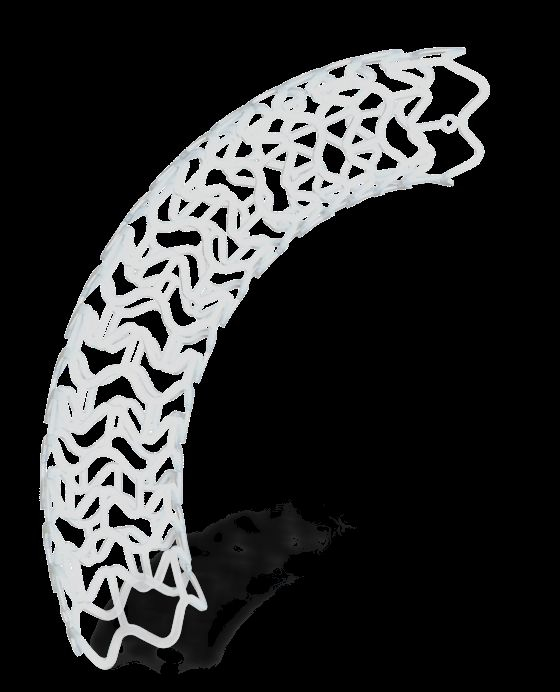
"After widening narrowed coronary arteries in patients with ischemic heart disease, it provides support to prevent the vessels from re-blocking for a certain period. Then, after about three years, it is completely absorbed and disappears within the body. It performs its role only during the treatment period and then gradually decomposes without remaining inside the body. The development of such 'absorbable stents' is a first in Korea."
In treating cardiovascular diseases where blood vessels narrow or become blocked, stents are known as "metal mesh that widens blood vessels." Once inserted, they anchor to the vessel wall and expand like a balloon, maintaining the widened state of the vessel. However, metal stents also remain in the body long-term as "foreign objects." In some cases, this residual material can cause blood clots, leading to complications. Currently, once a stent is implanted, it cannot be removed from the body even after treatment ends.
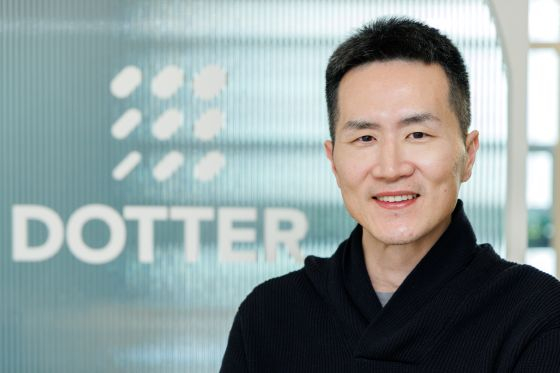
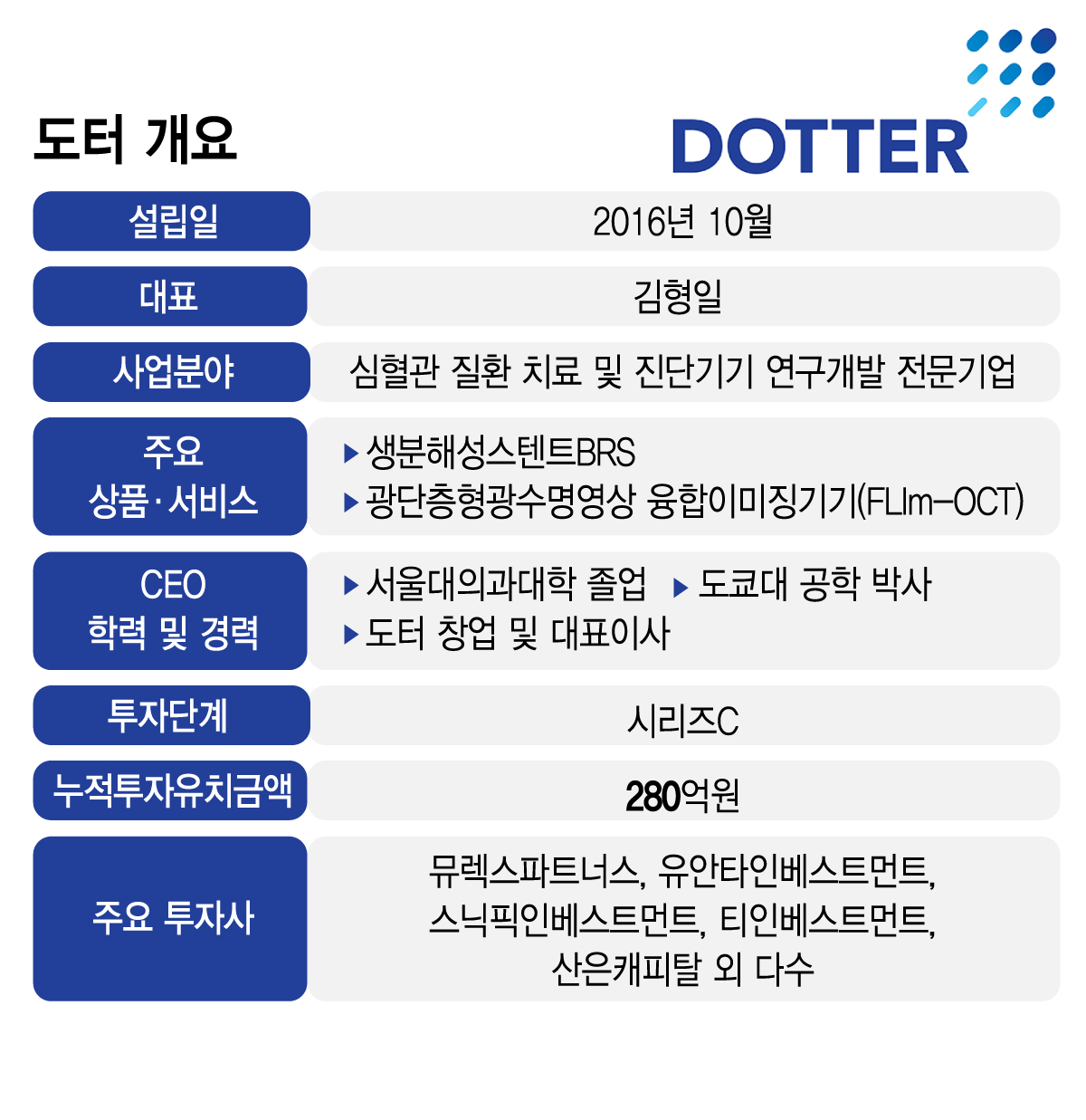
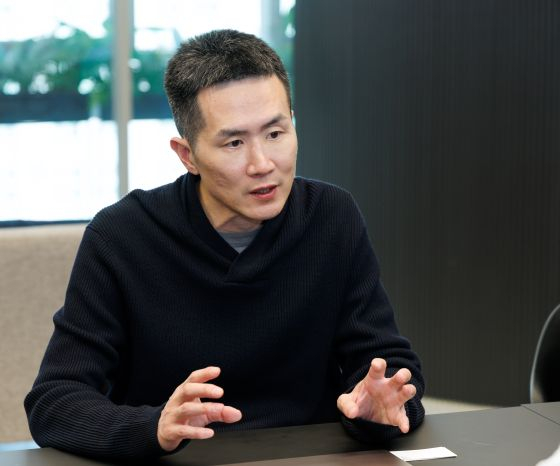
Kim Hyung-il, CEO of DoTER (DOTTER), recently announced in an interview with MoneyToday's startup media platform 'Unicorn Factory' that his company has developed biodegradable stents to solve these issues and confirmed their efficacy through clinical trials. These stents maintain strength for a certain period and then naturally decompose and disappear from the body once healing is complete.
Biodegradable stents were once a hot topic in the global market but faced a setback due to "thickness issues." In the mid-2010s, Abbott, a global healthcare company, introduced 'Absorb,' a "stent that disappears from blood vessels," which drew significant attention. However, its relatively thick structure (over 150㎛) and concerns about long-term thrombosis prevented it from meeting expectations, leading to its eventual withdrawal from the market. As major medical device companies subsequently halted development, the biodegradable stent sector entered a period of stagnation.
However, with recent advancements in materials and design technologies, the development of "second-generation biodegradable stents" that are thinner yet stronger is gaining momentum again. Kim (CEO) stated, "While biodegradable stents underwent one round of adjustment, we focused on improving technological maturity. As a result of continuing development even after research enthusiasm waned, we are now approaching domestic approval and market launch this year."
Thin yet strong... from 157㎛ to 100㎛
For biodegradable stents, it is crucial not only to make them "degrade well" but also to ensure they are "thin and strong enough to withstand pressure."
The reason past biodegradable stents reached their limits after gaining attention was "thickness." If the struts (structural elements) of a stent anchored in a blood vessel are too thick, they can obstruct blood flow and increase the risk of thrombosis. While past products had strut thicknesses around 157 micrometers (㎛), DoTER reduced this to 100㎛—a thickness approaching that of metal stents (approximately 80㎛).
To achieve a 100㎛-level structure using biodegradable materials, it is necessary to precisely manage material properties, molecular weight changes during processing, and deformation occurring during expansion.
According to Kim (CEO), they first created small tubes resembling straws from polymer, a biodegradable plastic. These tubes were then cut with highly precise lasers to form the stent shape. The challenge was "how to cut them."
Normally, cutting plastic with a laser generates heat. Excessive heat can damage the molecular structure of the plastic. Even if the cut appears clean externally, the interior may become weak and prone to breaking.
Initially, ultraviolet (UV) lasers were used. While the surface was cleanly cut, handling later revealed fragility issues. Upon investigation, it was found that UV light caused photodegradation of the material, reducing the plastic's strength.
Consequently, they switched to femtosecond lasers and visible light wavelengths. Femtosecond lasers deliver energy for an extremely short duration, leaving almost no time for heat to spread to surrounding areas. Visible light wavelengths minimized damage to the molecular structure of the material. As a result, cutting could be achieved with both clean surfaces and strong interiors.
Kim (CEO) emphasized, "The key lies in making it thin yet strong, and designing it so that strain does not concentrate at any single point during expansion. Although it may appear simple, advanced structural design is our competitive advantage." DoTER estimates the domestic stent market size to be around 200 billion won.
AI searches; OCT confirms
Myocardial infarction typically occurs when atherosclerotic plaques (fatty deposits) accumulated inside blood vessels suddenly rupture. When this happens, rapid thrombus formation can block the vessel, cutting off blood flow to the heart and leading to an emergency situation. The challenge has been accurately identifying these "dangerous lesions that could rupture at any time" in advance.
Until now, the medical field has focused on transporting patients to hospitals as quickly as possible after a myocardial infarction occurs and inserting stents immediately. In other words, it was a system designed for rapid response after an incident.
Kim (CEO) anticipates that this paradigm will shift in the future. He stated, "Just like cancer, cardiovascular diseases will transition to an era where dangerous lesions are detected early during health checkups and managed proactively." This signifies a move from "emergency treatment-centered" approaches to "prevention and early diagnosis-centered" strategies.
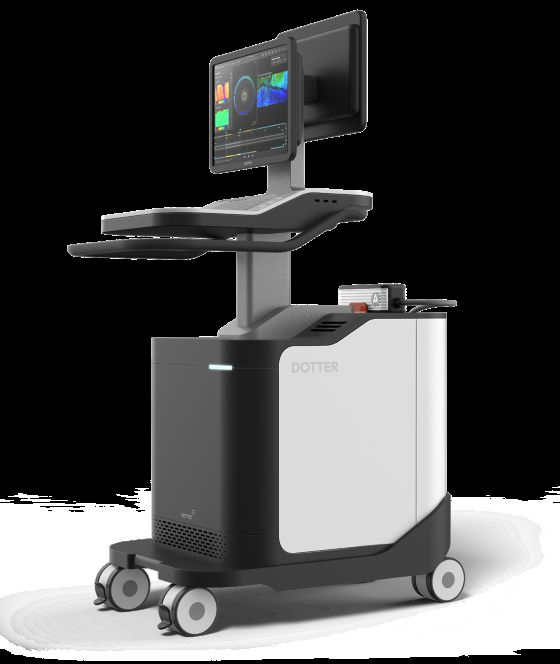
To achieve this, DoTER is not merely developing stents but is building an image-based precision treatment platform that connects the entire process before, during, and after procedures. The company plans to integrate its own OCT (optical coherence tomography) equipment, catheters, and AI image analysis software into a single system covering diagnosis, treatment, and post-care management.
Notably, DoTER is developing a "multi-modal imaging system" that combines existing OCT technology with fluorescence lifetime imaging (FLIm). While OCT serves as a "microscope" showing the fine structure of blood vessels, FLIm analyzes properties such as inflammation activity or lipid (fatty) component distribution within lesions.
In other words, the goal goes beyond simply assessing "how narrowed the vessel is" to evaluating "how likely this lesion is to rupture in the future." The ultimate objective is not just widening narrowed vessels but proactively identifying and precisely managing high-risk lesions with significant rupture potential.
Choosing biomedical engineering entrepreneurship over medicine
Meanwhile, Kim (CEO) graduated from Seoul National University College of Medicine and passed the national medical licensing exam but did not pursue a typical clinical physician path. During his overseas experience in the early 2000s amid the dot-com bubble, he deeply reflected on his career direction. After returning to Korea, while conducting anatomy practical training, he became convinced that "this is not my path." Although he graduated due to external encouragement, he began seeking ways to utilize medicine differently rather than treating patients directly. The answer was "biomedical engineering," which combines medicine and engineering.
Biomedical engineering research proved far more interesting than expected. Rather than remaining solely as Ha Ji-man (Prof.), he wanted to apply the biodegradable stents he had researched during his master's and doctoral studies to actual medical settings. Thus, he shifted his focus from academia to industry. His experience studying at the Graduate School of Engineering, University of Tokyo in Japan also had a significant impact. He remarked, "Japan has a culture of pursuing one research topic deeply over a long period." At that time, the laboratory had experience commercializing biomaterials into actual products, but stents remained technically challenging.
In this process, Kim (CEO) focused on MPC polymer, a biocompatible material. He determined that what was needed was not merely durable material but one that would be "well-suited to the body," capable of reducing inflammation or thrombus reactions within blood vessels. Using this material, he continued research aimed at reducing late-stage stent thrombosis, which later became the foundation for founding DoTER.
[MoneyToday startup media platform Unicorn Factory]

 in FUTURE


