

"Requests for proposals (RFPs) from potential data center customers require that the energy used must be 'green.' Otherwise, you are out of the game."
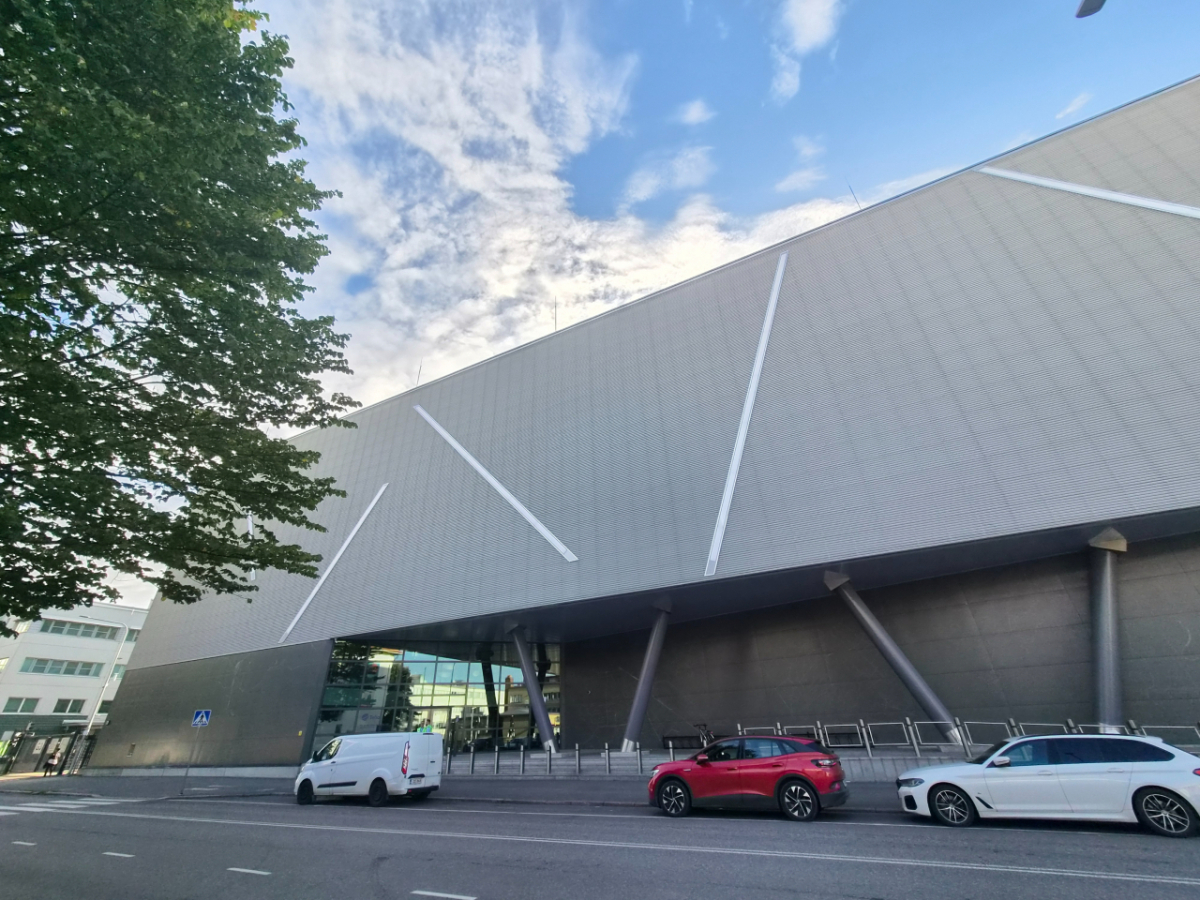
Kari Mykola, head of data center solutions at Telia Helsinki Data Center, met with us on the 15th of last month at the Telia Helsinki Data Center in Finland. He stated that "green power" determines the outcome of bidding competitions for data centers, saying this. The green power he refers to is renewable energy generated from wind, solar, and hydro sources.
"Green Power: Customers' Top Priority Requirement"
Telia, one of the largest telecommunications companies in Northern Europe, is also a key data center operator in Finland. It is a data center colocation provider that offers space, power, cooling, and other services for operating customers' servers.
Head Mykola, who has been in charge of the data center business since 2013, said that while the environmental friendliness of power was just one of many customer requirements about 10 years ago, "it is now at the very top of the priority list." He explained that securing such power has become an essential condition for competition in the colocation business, which must attract customers.
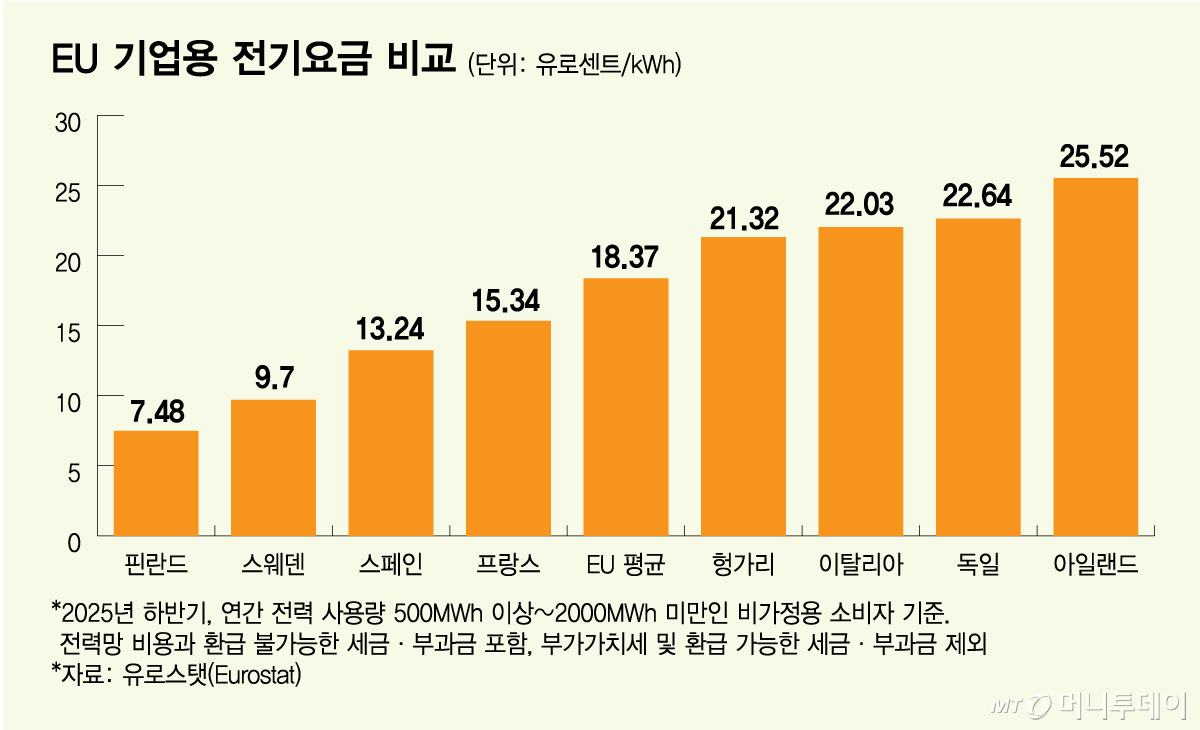
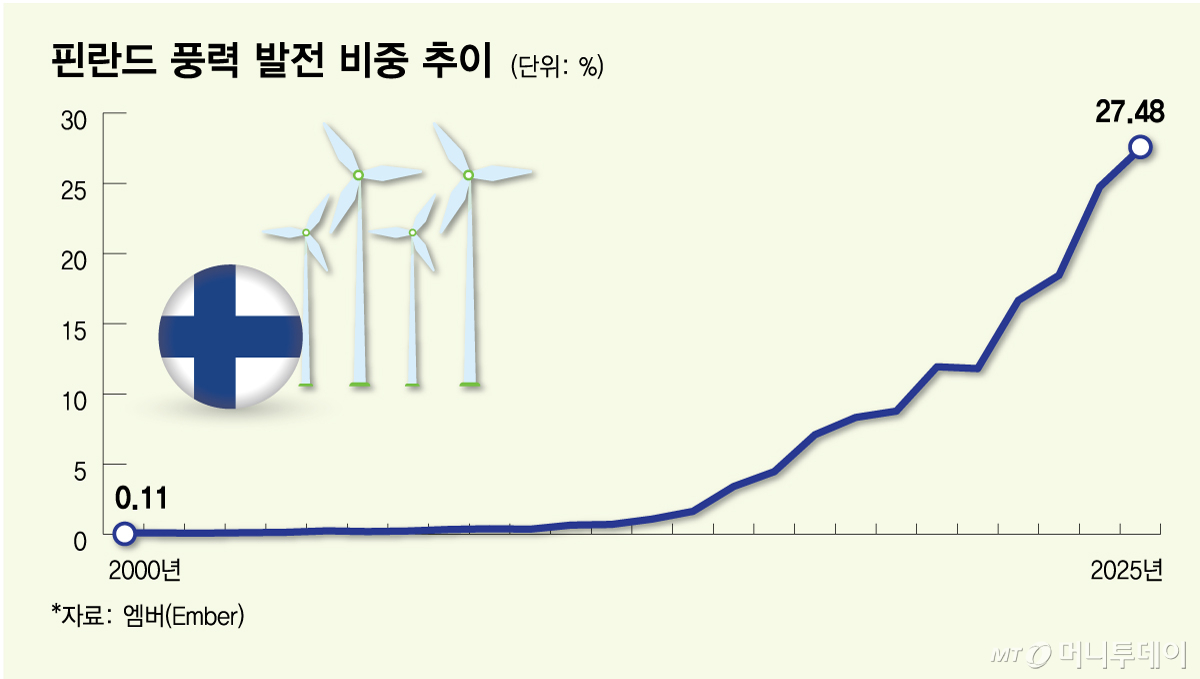
This change has presented an opportunity for Finland. He cited "price competitiveness combined with abundant green power" as a major reason why data centers are heading to Finland. He explained that the increase in wind power generation, particularly centered on coastal areas, supports these conditions. Securing green power thus extends beyond individual data center bidding competitions to become a national competitive advantage in attracting investment.
Telia has also sourced 100% of its electricity from renewable energy since the Helsinki data center began operations. Head Mykola stated, "Telia purchases only green energy at the company level." The means to prove renewable energy usage is the Guarantee of Origin (GO). This method involves purchasing certificates that certify the energy source of power generated at specific facilities, thereby securing renewable energy attributes corresponding to the electricity used.
Tuomas Koivula, head of global sales at Telia Helsinki Data Center, who was also present, explained that they can specify the power generation source according to customer requests. If a customer wishes to use only solar or wind power, they purchase guarantees of origin from specific solar plants or wind farms to prove this.
"Data Centers: A Battle of Power and Cooling"
In addition to renewable energy sourcing, technical design aimed at improving the energy efficiency of the data center itself is central to the competitiveness of Finnish data centers. The Telia Helsinki Data Center, which opened in 2018, considered energy efficiency and waste heat recovery from the design stage. In the spring of 2023, with the activation of heat recovery equipment, a system connecting server cooling and urban heating was established.
The heat from hot air expelled by servers is transferred to cooling water via the heat exchanger of the air conditioning unit inside the data hall. The cooling water, heated to approximately 30°C, flows to large heat pumps installed and operated by Helen. The heat pumps recover this heat and warm separately circulating district heating water to about 80–85°C. The data center cooling water and district heating water do not mix; they only exchange heat. The cooling water, which has given off its heat and cooled down to about 20°C, returns to the air conditioning unit in the data hall to lower the temperature of the air used to cool servers.
The cooling system is designed to minimize energy consumption. Heat recovery is utilized as the primary cooling method, and if additional cooling is needed, a rooftop dry cooler exchanges heat with Finland's cool outside air to chill the cooling water. Chillers, which are mechanical cooling devices that consume significant power, are operated only when these methods are insufficient for cooling. Head Koivula stated, "The time required to operate chillers is only a few hours per year," adding, "We keep them ready for when needed but strictly limit their use to reduce power consumption."
This waste heat recovery structure helps lower the data center's Power Usage Effectiveness (PUE) by reducing the power consumption of separate cooling equipment. PUE is calculated by dividing the total energy usage of the data center by the energy usage of IT equipment such as servers; a value closer to 1 indicates less energy used for auxiliary facilities like cooling. Head Mykola explained, "Even in summer, there is demand for hot water, so Helen continues to absorb waste heat. Therefore, we can maintain a much lower PUE value year-round compared to when there is no heat recovery."
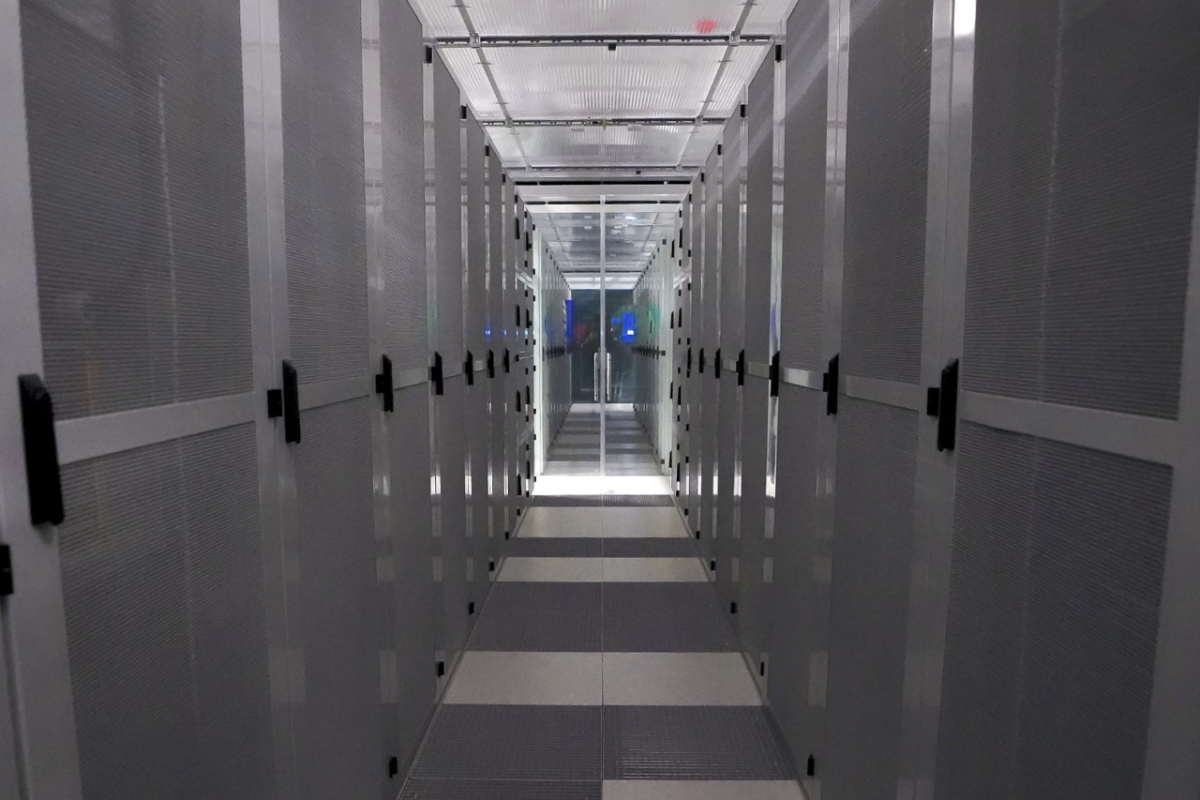
The rapidly increasing computational demand for artificial intelligence (AI) recently requires even higher cooling capabilities from data centers. According to Head Mykola's explanation, in this facility, installing high-density AI server racks in an area that accommodates about 170 standard server racks reaches the power limit with only about 20 such racks. As power consumption and heat generation concentrate in a narrow space, it becomes difficult to remove heat using air alone, increasing the need for liquid cooling.
Head Mykola stated, "AI workloads cannot be handled by conventional air cooling alone, making liquid cooling essential." Head Koivula also pointed out, "Now, the power and cooling capacity to handle rack density are the core competitiveness of data centers."
Minimizing Resource Use and Resident Impact from Design Stage
Efforts were also made to reduce water usage. The cooling water circulating between the data hall and heat pumps circulates within a closed loop. Head Koivula explained, "This is a closed loop, so no water is wasted."
Head Koivula stated, "Data centers that run massive fossil fuel generators and evaporate enormous amounts of tap water in cooling towers are never sustainable."
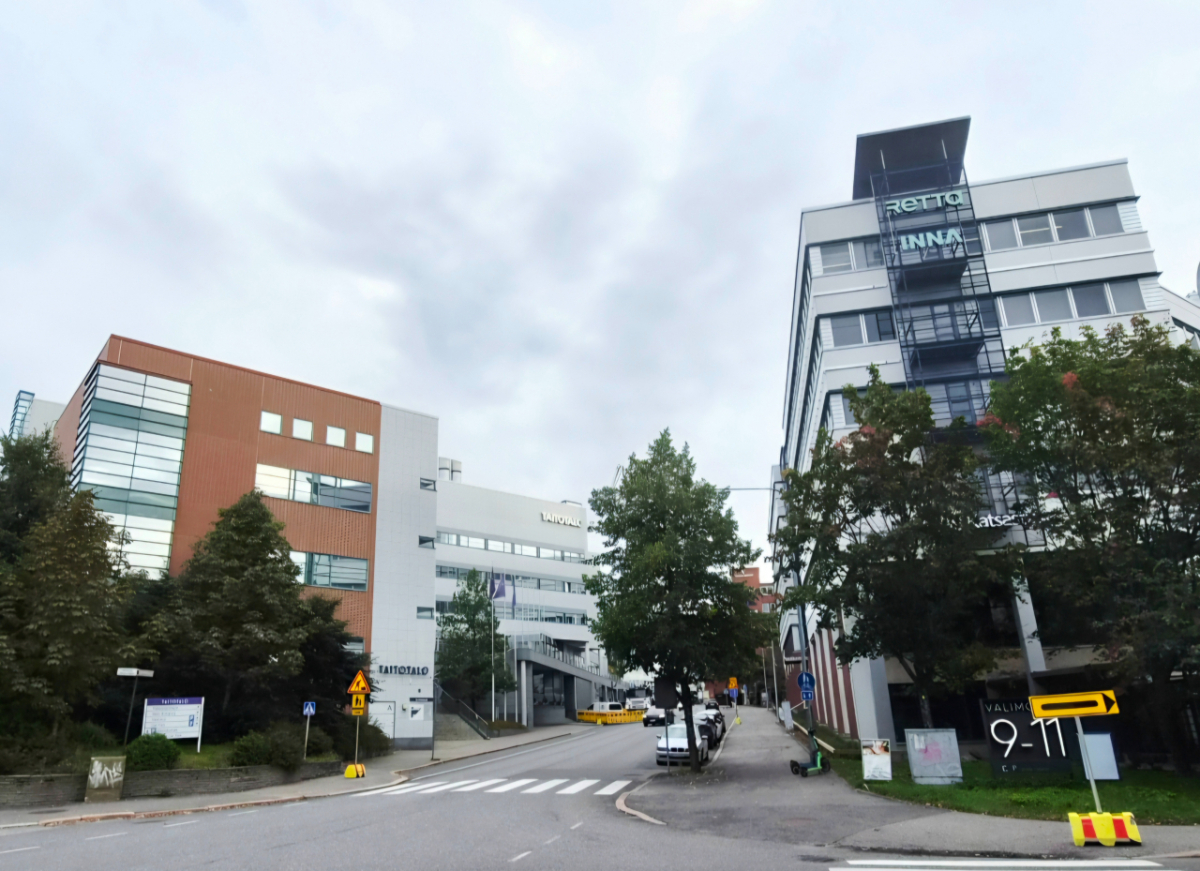
Coexistence with the local community was also addressed through meticulous design. This data center, located near residential areas, placed cooling equipment and other systems in indoor technical rooms to reduce noise spreading outside. Head Mykola said, "In Finland, standards for placing data centers are strict so as not to disturb nearby homes."
Strict regulations have eliminated potential conflicts with data centers in local communities. Head Koivula stated, "I have never heard of any opposition regarding this facility," adding, "Even if you walk around the building, you cannot hear noise, so most people do not even realize there is a data center here."
※This planned reporting was supported by the Korea Journalists Association and Climate Media Hub.

 in INDUSTRY


