

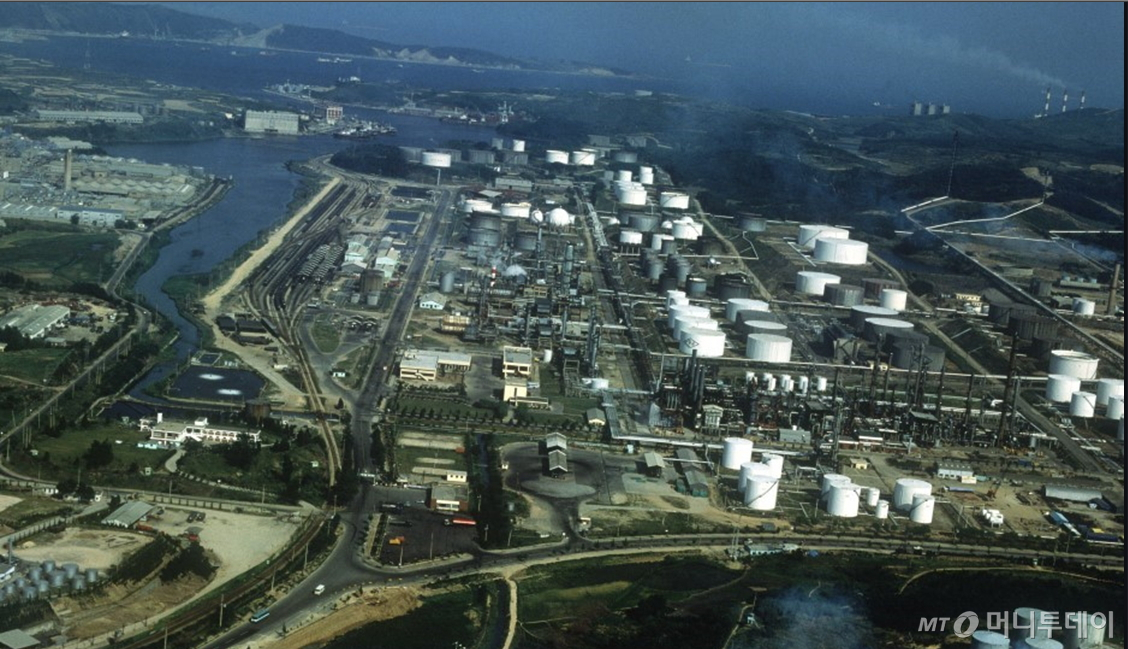
Petrochemical companies operating in Ulsan's industrial complex have launched collective action to break Hanju's monopoly on supplying utilities such as electricity, steam and industrial water.
They are exploring options including switching to direct power purchases and allowing multiple district energy providers to operate in the complex. The move aims to reduce manufacturing costs by securing greater flexibility in procuring key utilities amid a severe downturn in the petrochemical industry.
Hanju is effectively the sole district energy provider and community electricity supplier serving companies in Ulsan's petrochemical complex.
In recent years, it has gradually pursued a combined-cycle gas-fired cogeneration project, dismantling aging coal-fired facilities and introducing directly imported liquefied natural gas (LNG) power generation facilities and heat recovery steam generators.
Since completing the first phase of its gas-fired combined-cycle power generation facilities in January 2025, Hanju has significantly increased its electricity output and operating profit.
Last year, the company posted 850.8 billion won in revenue and 104 billion won in operating profit, with an operating margin of 12.2 percent.
According to industry sources on Nov. 30, companies operating in the Ulsan petrochemical complex, including Kumho Petrochemical, Lotte Chemical, Hanwha Solutions and Hanwha Impact, recently discussed ways to improve Hanju's exclusive supply rights and operating structure at quarterly meetings of plant managers and technical team leaders.
With the prolonged downturn in the petrochemical industry making cost reductions increasingly urgent, the companies are seeking to lower utility supply prices charged by Hanju and expand their freedom to procure utilities independently.
The companies are specifically targeting Hanju's exclusive supply rights through their joint response. Under the current Integrated Energy Supply Act, Hanju holds exclusive rights to supply utilities within the Ulsan petrochemical complex, meaning companies must obtain its approval even to trade waste heat-generated steam among themselves.
Petrochemical companies also have to pay Hanju separate fees in the process, limiting their ability to reduce costs, industry sources said.
For now, the companies are considering ways to diversify their utility suppliers. In the electricity sector, they are reviewing existing supply contracts and exploring a switch to direct power purchases.
For steam, they are discussing alternative supply options, including the use of waste heat-generated steam, adjustments to designated supply areas and permits for multiple district energy providers.
Separately, they are also considering measures to strengthen corporate governance checks and balances, including stricter requirements for appointing directors, expanded audit powers and shareholder agreements.
"This is less about opposition targeting a specific company than growing concern that the decision-making structure governing key utilities within the industrial complex may no longer adequately protect the common interests of all stakeholders," an industry official said. "Amid structural oversupply, deteriorating profitability and mounting pressure to restructure businesses, Hanju's monopoly over critical infrastructure and concentration of control could become an issue that affects the industry's overall competitiveness, going beyond a simple shareholder dispute."

 in INDUSTRY
