

South Korea's economy grew by 0.6% in the second quarter compared to the previous quarter. Although the growth pace slowed from the first quarter, real Gross National Income (GNI) increased by 3.1%, driven by strong semiconductor exports and an improvement in terms of trade. Nominal GDP rose by 26.4% year-on-year, marking the highest increase rate in approximately 47 years since the third quarter of 1979.
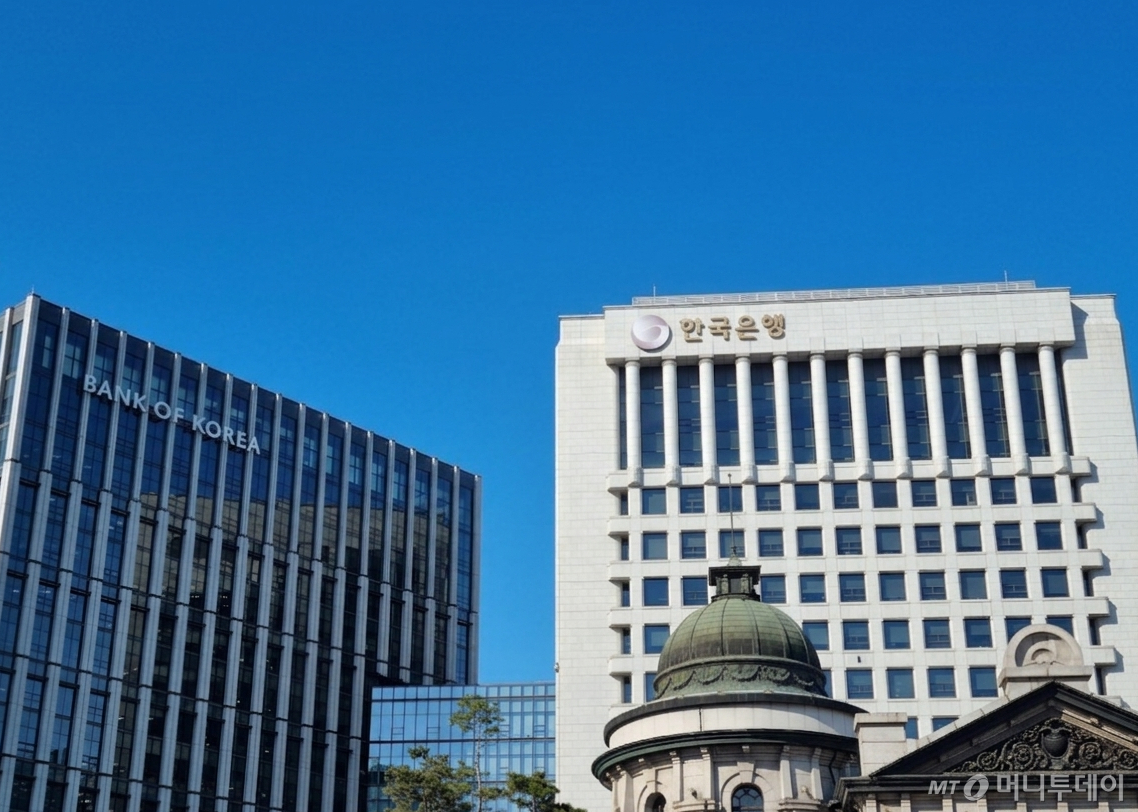
According to the Bank of Korea's "Preliminary National Income Report for the Second Quarter of 2026," released on the 8th, real GDP grew by 0.6% from the previous quarter and increased by 3.7% year-on-year.
This matches the preliminary estimate released in July. However, in detailed items, construction investment and intellectual property product investment were revised upward by 0.1 percentage points each, while government consumption was revised downward by 0.1 percentage point.
By expenditure category, exports increased by 1.3%, centered on semiconductors and machinery and equipment. Imports also rose by 0.7% as automobile and machinery and equipment imports grew.
Private consumption increased by 0.4%, with both goods such as home appliances and services like food and accommodation rising. Government consumption increased by 0.1%, centered on health insurance benefit expenditures.
Equipment investment rose by 0.2% as investments in machinery, including machines for semiconductor manufacturing, expanded. Intellectual property product investment, which includes research and development and software, increased by 3.4%. In contrast, construction investment fell by 0.1% due to sluggish civil engineering projects.
By economic activity, the manufacturing sector grew by 1.4%, centered on computers, electronics, and optical instruments. The service sector also increased by 1.0%, driven by wholesale and retail trade, accommodation and food services, financial and insurance activities, and information and communication services. Construction declined by 1.9% as civil engineering projects contracted, while agriculture, forestry, and fisheries shrank by 7.2%.
Real GNI, which reflects the real purchasing power of citizens, increased by 3.1% from the previous quarter, significantly outpacing real GDP growth. This was influenced by a decline in real net primary income from abroad from 11.6 trillion won to 7.9 trillion won, offset by an increase in real trade gains from 38.7 trillion won to 58.5 trillion won due to improved terms of trade. The year-on-year growth rate of real GNI was 15.6%, the highest since the fourth quarter of 1988 (15.7%).
With inflation and rising corporate profits factored in, nominal indicators also surged significantly. Nominal GDP increased by 9.2% from the previous quarter and by 26.4% year-on-year. The year-on-year growth rate was the highest in approximately 47 years since the third quarter of 1979 (27.7%).
The GDP deflator rose by 21.9% year-on-year, reaching its highest level since the fourth quarter of 1980 (26.6%). Total operating surplus increased by 18.5% from the previous quarter, showing the highest growth rate since the second quarter of 2010 when related statistics were first published. In contrast, the growth rate of employee compensation was just 1.9%, the lowest since the publication of these statistics began.
Nominal GNI increased by 8.8% from the previous quarter and by 26.4% year-on-year. Nominal net primary income from abroad decreased from 13.7 trillion won to 12 trillion won, but this was offset by the significant rise in nominal GDP.
The total savings rate for the second quarter stood at 45.6%, a 3.9 percentage point increase from the previous quarter. This is the highest level since the first quarter of 1970 when related statistics were first published. The household net savings rate also rose by 0.9 percentage points to 9.7%. The gross capital formation rate fell by 1.1 percentage points to 24.2%, marking the lowest level since the third quarter of 1975 (22.0%).

 in ECONOMY
