

[For more diverse company information on the startups mentioned in this article, please visit Unicorn Factory's big data platform 'Data Lab'.]
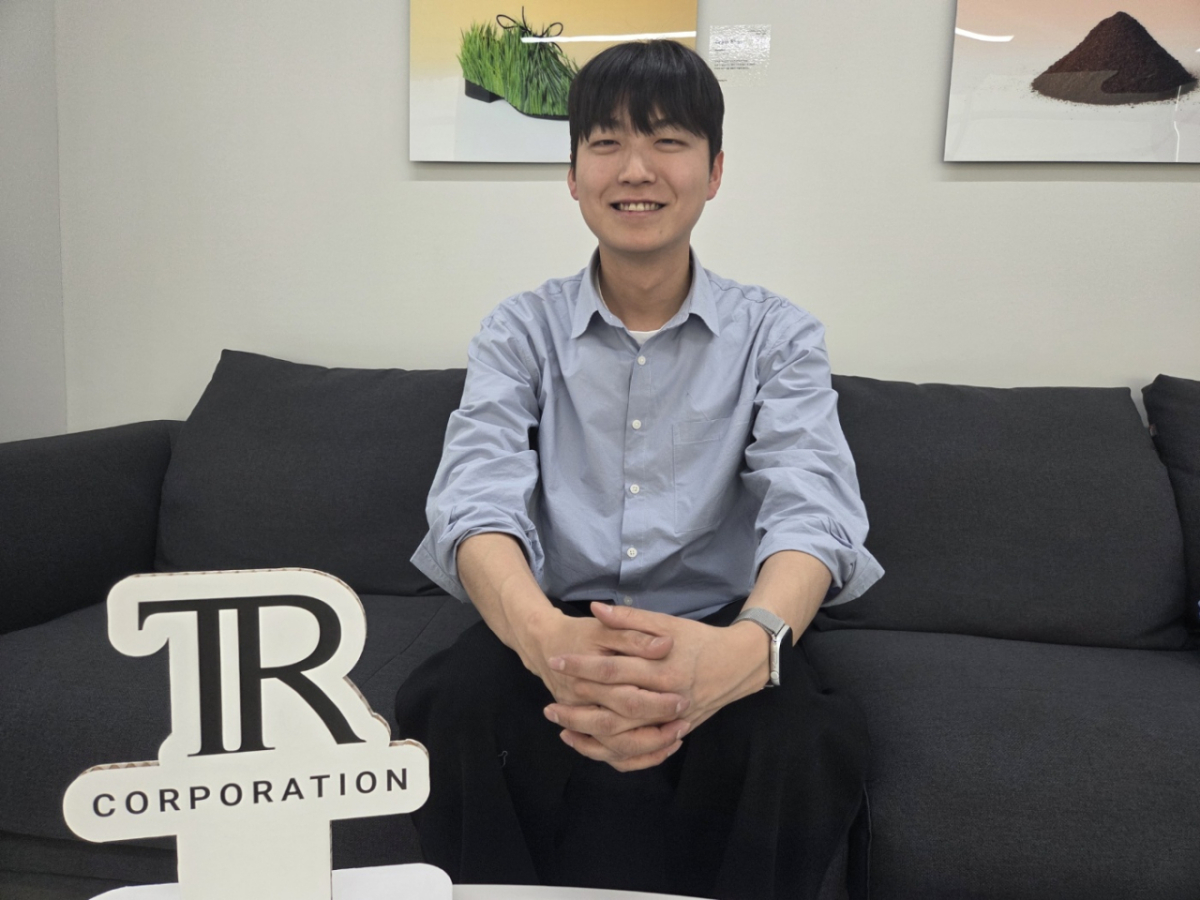
"Most chronic obstructive pulmonary disease (COPD) patients only visit university hospitals when their condition worsens to the point where even their breathing becomes labored. Since lung function is difficult to improve, it is crucial to prevent deterioration as early as possible. It was heartbreaking to hear that a patient I had been treating until last week passed away this week."
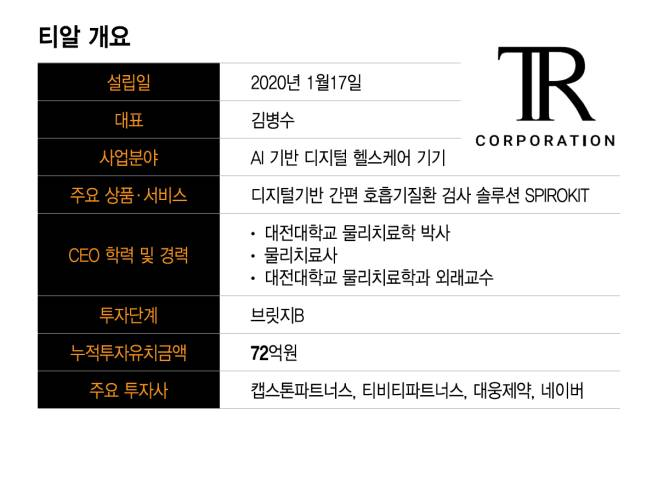
Kim Byung-soo, CEO of TR, was deeply shocked while working as a physical therapist at a university hospital, witnessing numerous lung disease patients die in an instant. Kim (CEO) himself is also an asthma patient, so he has high awareness of respiratory diseases. His deep concern over why many people could not receive early diagnosis before reaching university hospitals ultimately led to the founding of his company.
Early-stage lung diseases hard to detect at local clinics
Kim (CEO) cited "insufficient number of pulmonologists" as a key reason why detecting COPD at local clinics (primary care hospitals) is difficult. According to the Korean Medical Association, among private practitioners, specialists in gastroenterology, family medicine, and general physicians make up the largest proportion. As a result, accurately diagnosing lung diseases remains challenging.
The situation is similar overseas. According to the World Health Organization (WHO), as of 2024, COPD ranks as the third leading cause of death worldwide for a single disease, yet the diagnosis rate at primary care facilities stands at only 2.5%.
Kim Byeong-su (CEO) stated, "To enable early diagnosis of lung diseases, infrastructure must be installed in every primary care hospital. However, existing lung testing devices are too expensive, difficult to use, and interpreting results is not easy either." He added, "Even if a local clinic writes a referral letter to a university hospital suspecting lung disease, it can take six months to secure an appointment — by then, it's already too late."
'One-stop' solution for testing and interpretation without specialists
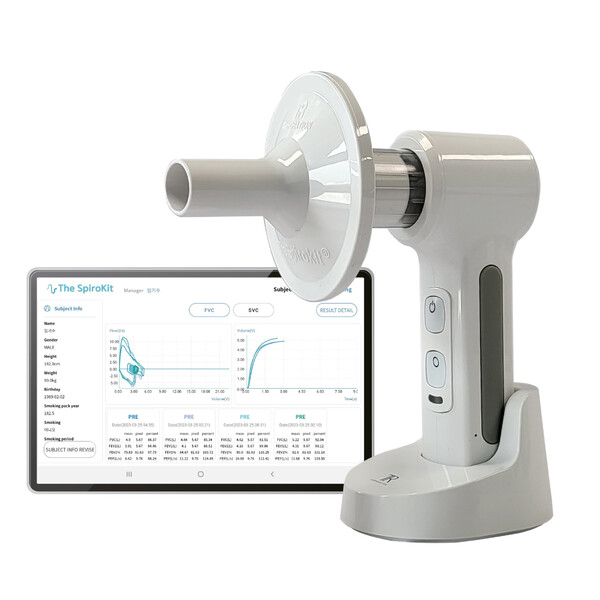
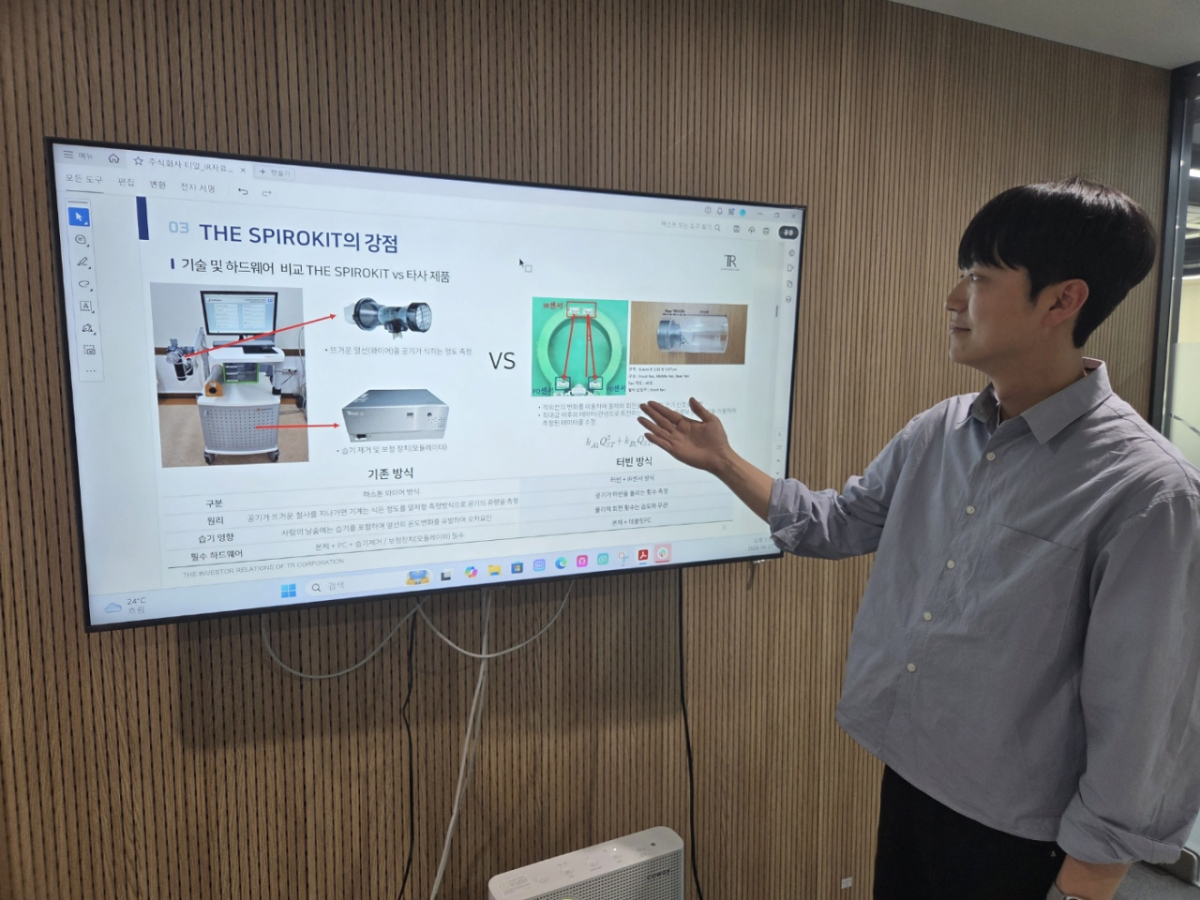
TR's respiratory disease testing solution, 'SPIROKIT', overcomes the limitations of existing devices to enable early diagnosis of lung diseases at primary care hospitals. It reduces testing time per person from 10–20 minutes to just 1–2 minutes. All that is needed is a handheld-sized respiratory device and a tablet PC — no large modulators or connected PCs required. The price has also been significantly reduced.
After the simple test, data is stored in a cloud server and automatically interpreted. An algorithm analyzes whether the patient has asthma or COPD, and if so, determines the disease stage. Even general nurses can easily perform the test. Based on the interpretation results, non-specialists can also make diagnoses and prescribe treatments more easily.
SPIROKIT's performance is gaining word-of-mouth recognition in medical settings. Over 400 hospitals, including Chung-Ang University Hospital, Chungnam National University Hospital, and Hanaro Medical Foundation, have adopted SPIROKIT, with over 10,000 people undergoing testing weekly. This accumulating data creates a virtuous cycle that further improves diagnostic accuracy.
Revenue generation begins this year… Supported by Daewoong Pharmaceutical and D-Camp
TR signed a domestic distribution agreement for SPIROKIT with major pharmaceutical company Daewoong Pharmaceutical in March this year. Daewoong also participated as an SI (strategic investor). Kim Byeong-su (CEO) described Daewoong not merely as a 'partner' but as 'wings'.
He said, "When trying to sell SPIROKIT to hospitals, it is often difficult even to secure meetings. One reason many leading medtech startups have yet to turn a profit is the difficulty in establishing sales networks. Daewoong Pharmaceutical has helped solve many of these challenges."
SPIROKIT is sold as a package including the device, filters, and testing vouchers. Last year's annual revenue was only 430 million won, but by mid-April this year, it had already exceeded 500 million won. Kim (CEO) predicted, "Thanks to Daewoong Pharmaceutical's sales network, we expect to generate substantial revenue this year and achieve profitability."
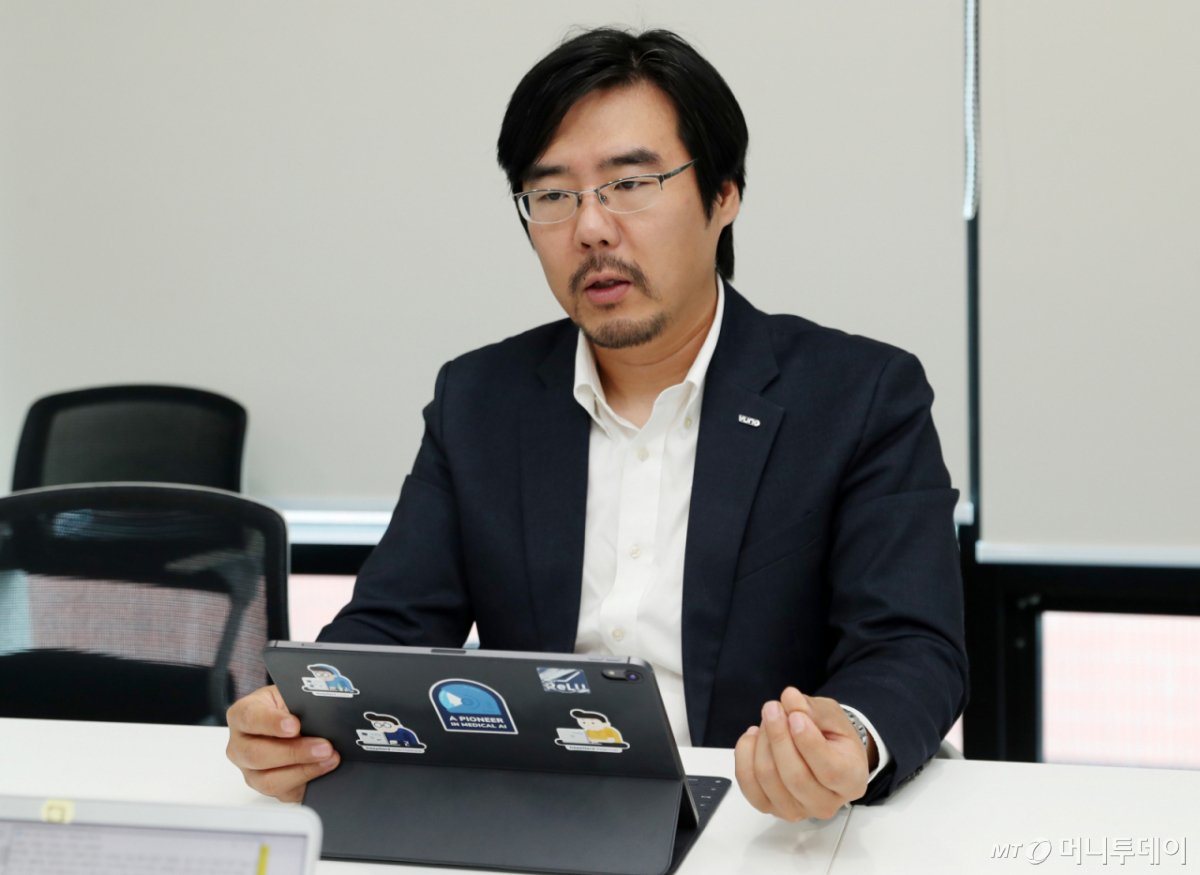
Kim (CEO) also highlighted being selected for the 'D-Camp Batch 2' last March as a valuable asset. He gained inspiration regarding partnerships with pharmaceutical companies like Daewoong from D-Camp. D-Camp paired TR with Kim Hyun-joon Jeon (CEO), founder of Vuno, a medical professional company, as a one-on-one mentor. Kim (CEO) remarked, "As a first-generation medtech entrepreneur, Kim Hyeon-jun (CEO) taught us expertise in medical device licensing strategies and fundraising know-how." He added, "Receiving insider knowledge that only Navy Headquarters personnel could share was extremely helpful and greatly boosted our confidence."
"Will become a diagnostic device used daily by 100 million people worldwide"
A favorable business environment is also being created for TR. Starting this year, lung function testing has been legally mandated as part of the national health checkups for individuals aged 56 and 66. Kim (CEO) explained, "Since COPD is a disease affecting the elderly and caused by environmental factors, the number of patients will continue to grow, and I am confident it will eventually become mandatory in national screenings. However, it has been legalized earlier than expected."
TR currently offers SPIROKIT solutions focused on testing and interpretation but plans to elevate them further soon to also provide 'treatment guidance'. After lung function tests, the patient's condition can be assessed according to COPD and asthma treatment guidelines, enabling local clinics to prescribe appropriate treatments even without specialists. Providing personalized services for each patient without specialist involvement will directly translate into new revenue streams.
TR is also accelerating its overseas expansion. In Japan, it is conducting technical validation in collaboration with local medical associations. In Vietnam, it has formed a partnership with global pharmaceutical giant AstraZeneca, which has connected them to Saudi Arabia, the hub of the Middle East. Kim (CEO) stated, "If we accelerate business progress in the Middle East, our next target will be the European market."
He continued, "I want all patients worldwide to use SPIROKIT daily so that 100 million people can receive early diagnosis of lung diseases each day." He added, "Such globally acquired data will not only serve as a business entry barrier but also provide clues to quickly reach more patients."
[MoneyToday startup media platform Unicorn Factory]

 in FUTURE


