

[For more diverse corporate information on the startups mentioned in this article, you can view them at Unicorn Factory's Big Data Platform 'Data Lab'.]
"We have completely scrapped our plans to enter Indonesia. We have now shifted our strategy to focus on Singapore and other regions." (Bae Soo-hyuk, CEO of Team Limited)
"We plan to resume the Google ads we had previously discontinued. We also made a firm decision to properly enter the Asian market." (Jung Kyung-min, CEO of DevUnlimit)
"We originally planned to go through Singapore before entering the U.S., but we came to believe that it is entirely possible to enter the U.S. directly and validate quickly." (Shin Dong-min, CEO of Amuse8)
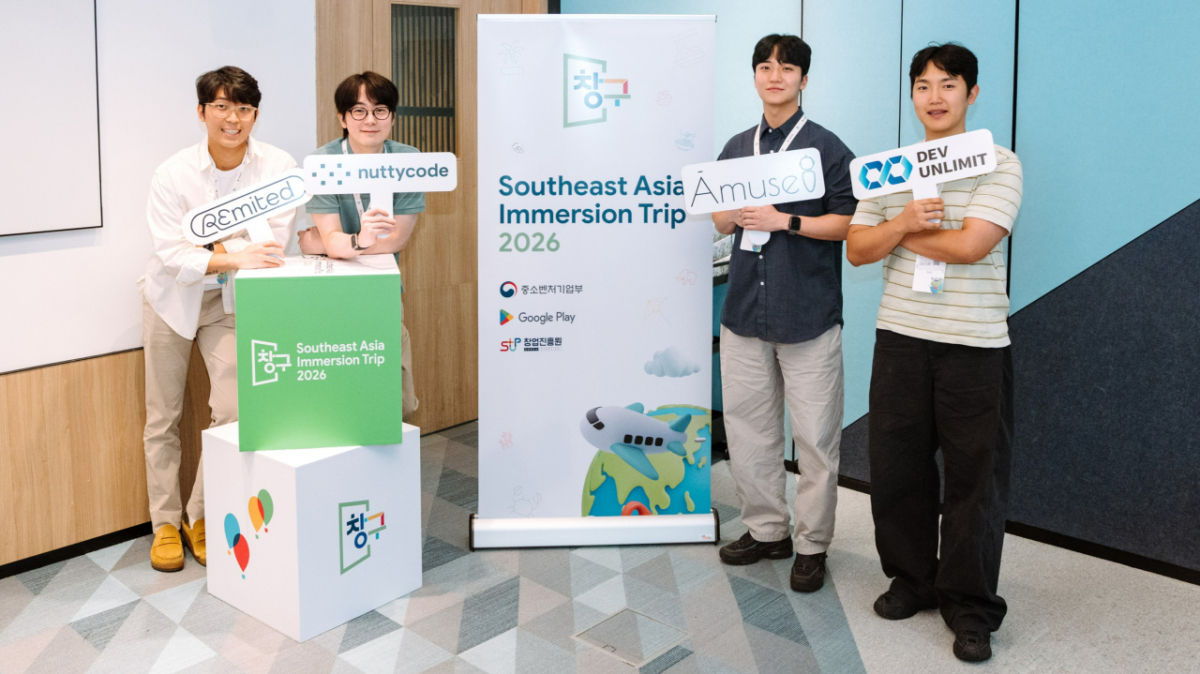
Startups that participated in the "2026 Changgu Emergence Trip," held from the 16th to the 18th (local time) in Singapore, reported that through this event they had in-depth conversations with Google experts, local venture capitalists (VCs), and users on the ground, leading them to make such changes in their decision-making.
The Changgu program is a public-private partnership project supported by Google Play and the Ministry of SMEs and Startups·Startup Korea to foster the growth and overseas expansion of domestic mobile app and game startups. Launched in 2019, taking the first characters from "startup" and "Google Play," it is now in its eighth year.
The Emergence Trip is a global training program designed to assist Changgu program participants and graduates in expanding into overseas markets. It began with Japan in 2023, followed by Singapore in 2024, and the U.S. last year, among other major global markets.
The most decisive event that significantly influenced the change in business strategy among startups participating in the Emergence Trip was the FGI (Focus Group Interview) program, which was conducted for the first time during this year's trip.
Startups conducted FGIs with Singaporean users who had tried their apps in advance, gaining insights into payment habits, investment tendencies, social perceptions of mental health, color systems, and other information that is difficult to grasp through search or data alone.
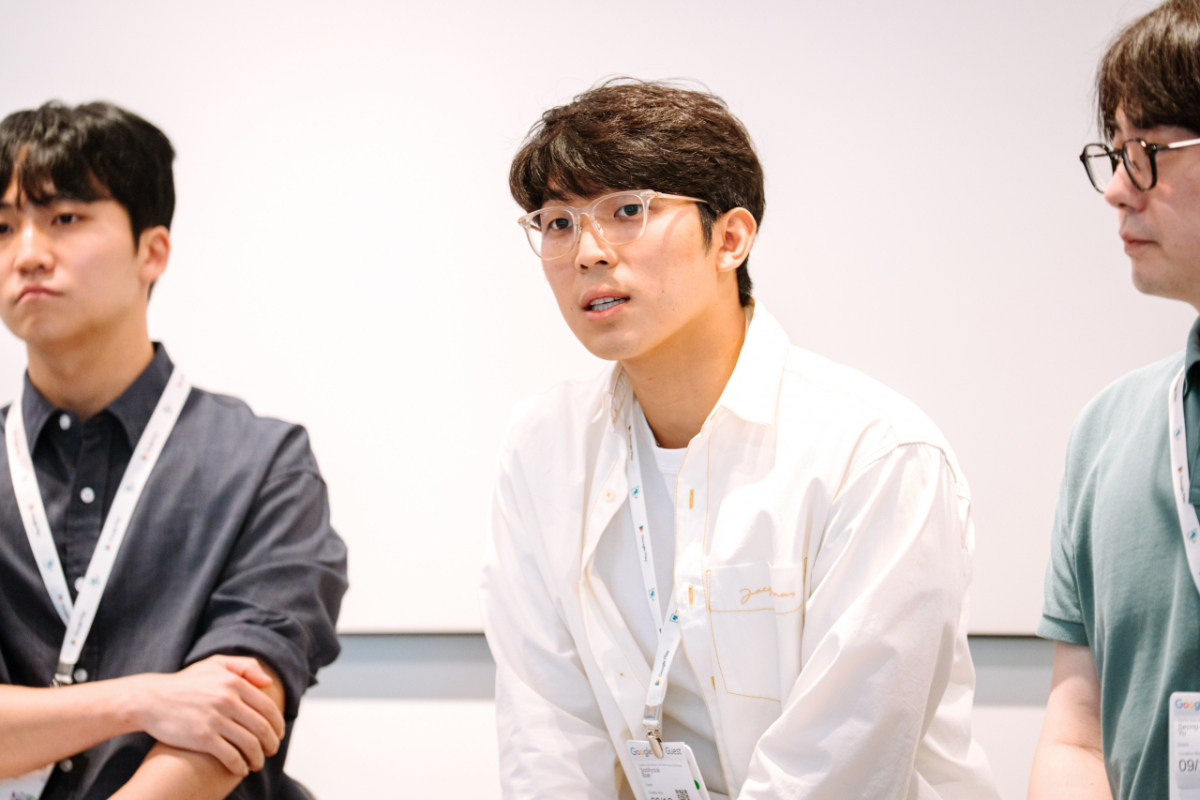
Team Limited, which operates the reward service "Yeongkkul" based on shopping receipts, initially considered Indonesia as its first overseas market. The idea was to secure offline LINE purchase data in Southeast Asia, which is hard to obtain, since shopping and grocery purchases occur everywhere in the world.
However, after discussions with local Google experts, they concluded that even if a large number of users could be acquired in Indonesia, there would be limited business options for monetizing the data.
Bae Su-hyeok (CEO) said, "Since it is a B2C (business-to-consumer) service, consumer touchpoints are crucial, so we were planning our entry strategy for Indonesia. But after talking with several Googlers, we realized that while acquiring users is possible, the scope of business that can utilize that data is quite narrow."
The high proportion of cash usage in Southeast Asia and the environment for issuing receipts were also factors under consideration. While Yeongkkul started its business based on offline LINE receipts in Korea, it is often difficult to even obtain a receipt as proof of purchase in traditional markets in Indonesia.
In contrast, Singapore has a high proportion of online payments, making it relatively advantageous for Team Limited to apply its experience in securing online purchase data from platforms like Coupang and Kurly. Accordingly, they reversed their order in Singapore, prioritizing the acquisition of online purchase data over offline LINE receipts.
Bae (CEO) stated, "Even when using cash, we can secure data at places that issue receipts like convenience stores, but in local markets in Indonesia, there are cases where you cannot even receive something resembling a receipt. Therefore, we chose to adopt a strategy of approaching online purchase data first."
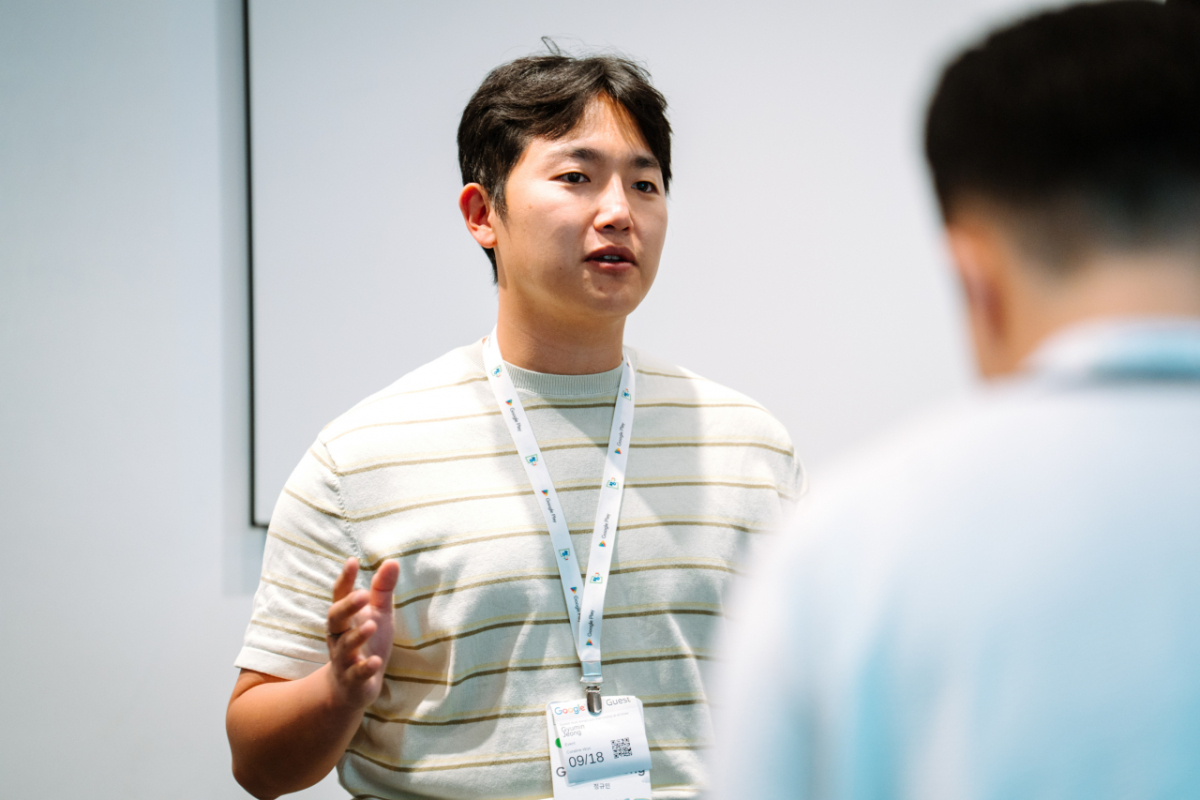
DevUnlimit, which operates the K-pop dance game "Sparky," decided to resume its previously discontinued performance marketing. It also revised its previous assumption that Asian users would feel uncomfortable dancing in front of others.
Sparky is a service that allows users to learn K-pop choreography through a game format, similar to how Duolingo uses game elements to aid language learning. It recognizes user movements through motion tracking technology and analyzes whether they followed the choreography correctly.
Jeong Gyu-min (CEO) initially expected that Southeast Asia, where K-pop popularity is high, would be a suitable market for Sparky. However, analysis of actual organic traffic data revealed that users from North America and Europe, such as the U.S. and France, were more numerous.
Jeong (CEO) said, "We thought that users in the U.S. and Europe are open to learning dance and do not feel shy, whereas Asian users would not be. But after reviewing local data and ad cases, we became confident that once users become familiar with the service, they will use it significantly more."
App campaigns and value-based advertising tools introduced by Google also influenced the strategic shift. DevUnlimit had been so skeptical of performance marketing that it had stopped executing Google ads, but after accessing segmented data by country and app type, it decided to resume using ads.
In particular, contrary to the common belief that Asia has a low purchase rate relative to its user base, the company noted that certain markets like Singapore and Thailand could expect high conversion rates in the wellness and health sectors.
Jeong (CEO) remarked, "Seeing how the Google team analyzed data segmented by app and country changed our prejudices about Asia. We decided to resume performance marketing and properly enter the Asian market."
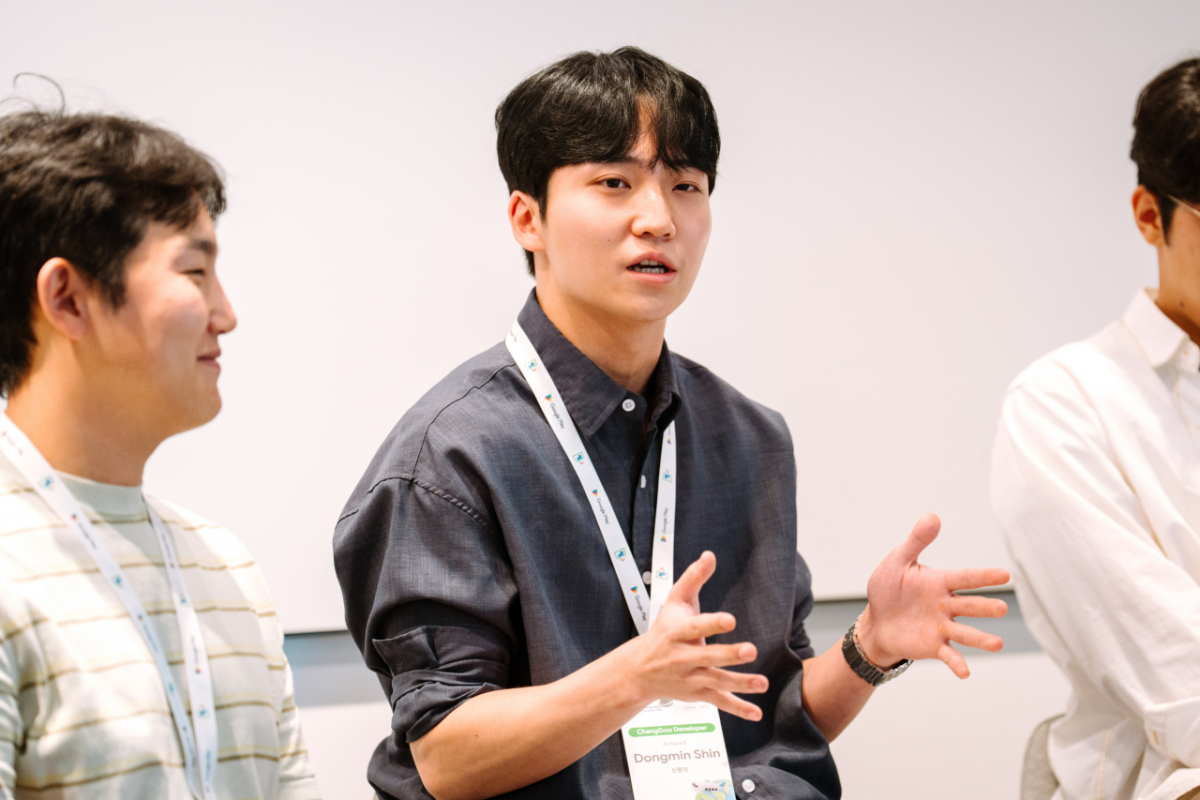
Amuse8, which operates the global investment news curation app "Wolwol," decided to reevaluate its phased strategy of entering the U.S. via Singapore. After going through office hours with local VCs, it determined that validating the service directly in the U.S. was also a realistic option.
Wolwol is an AI-based content curation app for individual investors who invest in Korean and U.S. stocks overseas. It first filters 49 self-selected trusted media outlets and then provides core content in 60-second video briefings after cross-verifying information across media sources.
The service name combines "Wall" from Wall Street and "Wall" from the Great Wall, conveying the meaning of showcasing both the U.S. and Chinese markets together. Amuse8 had been reviewing the possibility of entering local markets based on data showing rising investment interest among young professionals in Singapore and Malaysia.
Shin Dong-min (CEO) shared, "We originally planned to enter the U.S. via the Singapore market, but after attending the VC session, we came to believe that going directly to the U.S. and validating quickly is entirely feasible."
The company also confirmed the potential in the Singapore market, as local users showed high interest not only in U.S. stocks but also in the Chinese market. It also identified that users repeatedly consume vertical short-form content while commuting, and that content performance varies significantly depending on the video material.
Based on this, Wolwol is planning to introduce a feature that provides market news aligned with local commute times. The plan is to place events that caused past price fluctuations alongside current issues next to stock charts, enabling users to quickly understand market trends.
Shin (CEO) stated, "We confirmed locally that Singaporean investors are heavily invested in the Chinese market. It was impressive to see data showing that video-centric content trends continue, users keep checking short-form content even while commuting, and especially that the material of vertical short-form content determines performance."
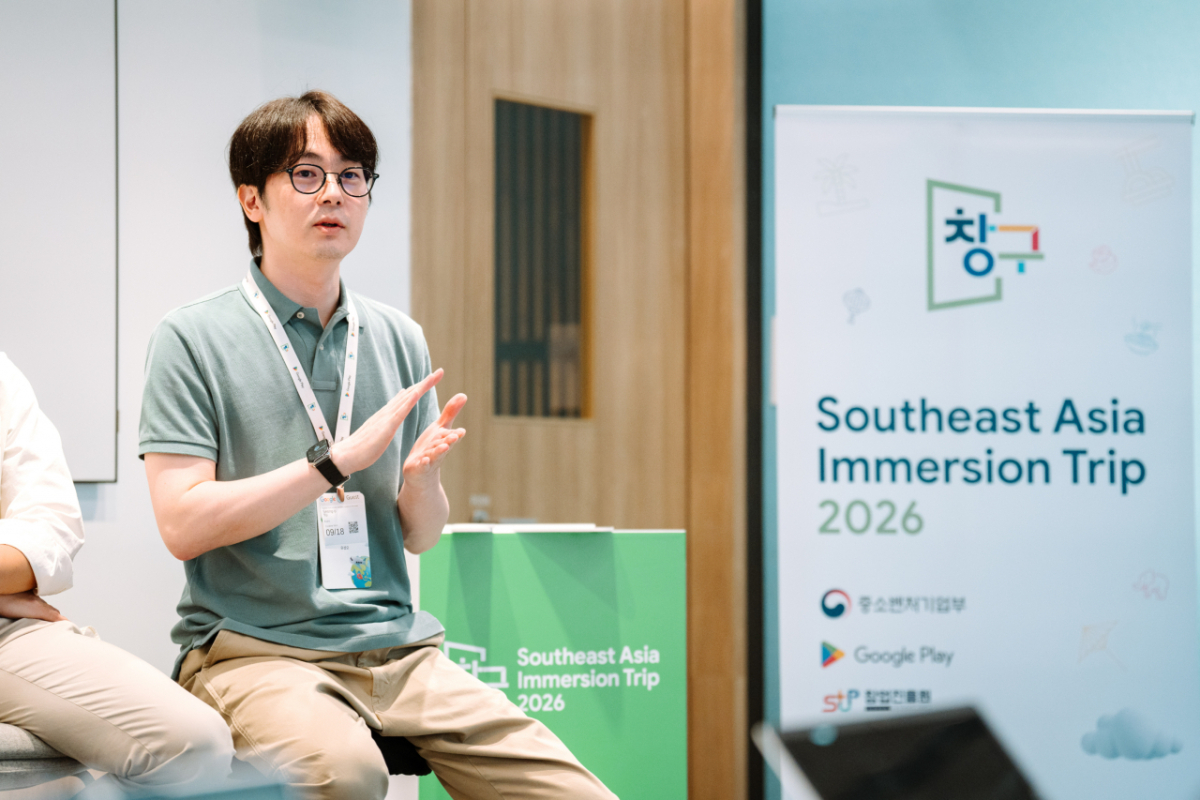
Nuticode, which operates the AI-based self-care app "MyMori," confirmed that perceptions in Southeast Asia regarding mental health and counseling differ significantly from those in Korea.
MyMori is a service that converses with users to help them write diaries and allows them to share their written records with users worldwide. It lowers language barriers through AI, enabling users to read each other's days and exchange replies.
Yoo Sung-oh, CEO of Nuticode, had expected that social stigma around psychological counseling in Southeast Asia would have diminished among young people, similar to Korea. However, he discovered that local users still feel significant burden when receiving counseling or discussing their mental issues with outsiders.
Yoo (CEO) said, "In Korea, especially among those in their 20s, the social taboo around seeking counseling has largely disappeared, so we vaguely assumed young generations in other countries would be similar. But locally, that was not the case at all, and there were various concerns about using counseling phone services."
Nuticode had originally planned to intensively expand its user base among Indonesian users, who currently generate high traffic. However, based on country-by-country analysis by Google experts, it determined that Singapore and Thailand are more suitable for the current service and decided to broaden its target regions.
Yoo (CEO) remarked, "These were stories you could never know just by Googling or asking AI. We were able to obtain information that only locals can provide during this Emergence Trip, which greatly helped in advancing our business strategy."
[MoneyToday startup media platform 'Unicorn Factory']

 in FUTURE


