

We are in an era where AI (artificial intelligence) is transforming everything. Among these changes, what many people feel most acutely while simultaneously worrying about is the issue of jobs.
Tasks that used to take dozens of people several months to complete can now be handled by AI in just a few seconds, completely changing how work is done. Consequently, perspectives on talent have also shifted. Companies are pondering what kind of talent they should seek, while job seekers are being required to develop capabilities suited for the new era.
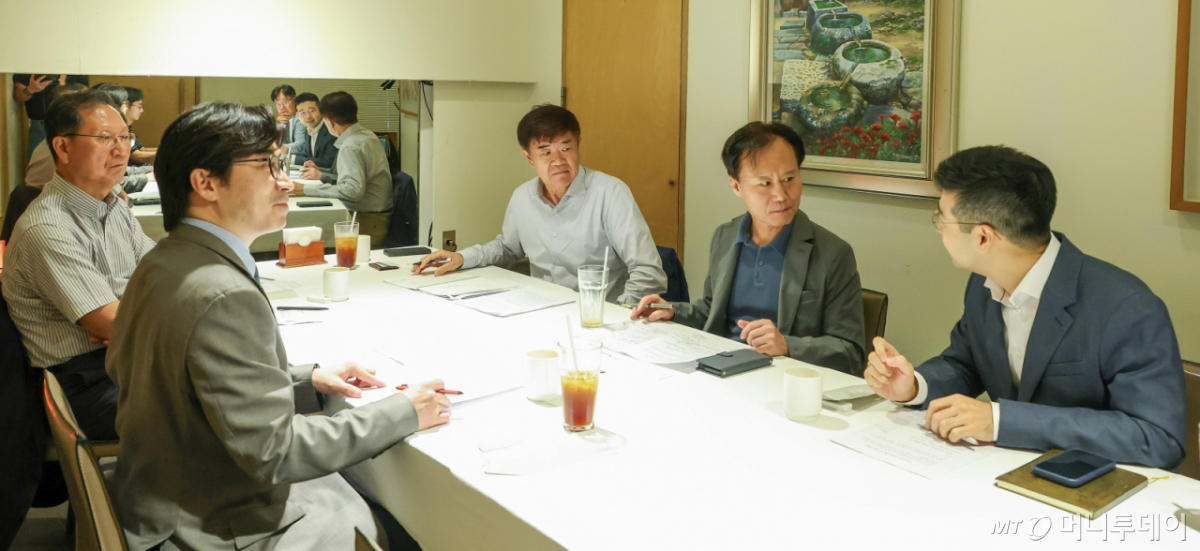
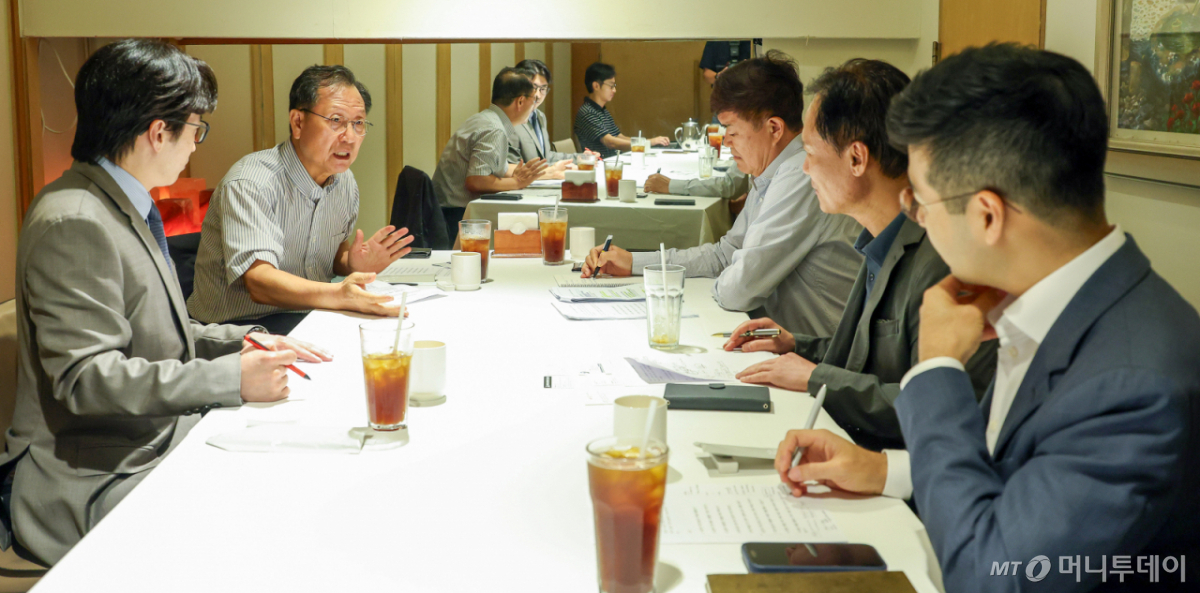
The think tank Global Korea Insights (GK Insights: Lee (President) Baek Yong-ho, Honorary Chairman of Money Today), established with a mission to create an environment where more world-class companies can emerge in South Korea, held a roundtable with its advisory board and future advisory council on the 6th at Conference House Dalgaebi in Jung-gu, Seoul, under the theme "Talent Profile for the AI Era."
Attendees at the roundtable included Kim Jong-gap, former chairman of Siemens Korea Co., Ltd. and advisor to GK Insights; Jung Yu-seong, former CEO of Samsung SDS (formerly head of Samsung's Future Strategy Office In Sa-ji-won (Team Lead)); Lee Ju-wan, director of GK Insights and head of the future advisory council at MegaZone Cloud Lee Sa-hoe (Chairman); and Kim Dong-ho, CEO of Korea Credit Data and deputy head of the future advisory council. The session was chaired by Park Jin, professor at KDI School of Public Policy and Management and director of GK Insights.
While attendees agreed that the talent profile for the AI era is fundamentally different from the past, they emphasized that certain values remain unchanged despite shifting times.
In the AI Era, Every Employee Plays a Managerial Role… Questioning Ability, Judgment, and Collaboration Skills Are Crucial
The biggest change in work methods identified by attendees is that "everyone must play a managerial role." In the past, new hires learned tasks by starting with basic duties assigned to them, but now that simple tasks are delegated to AI, everyone must work like managers directing AI.
▶Park Jin (Prof.)= South Korea's problem-solving capabilities decline sharply with age. At 15 years old, they are at the highest level among OECD countries; by 25, they drop to average levels; and by 45, they fall to the bottom. The rate of capability decline is the fastest in the world. From this perspective, the core question of today's roundtable is "What characteristics will be increasingly valued in talent going forward?" Clearly defining the talent profile desired by companies in the labor market will send the right signals to young people.
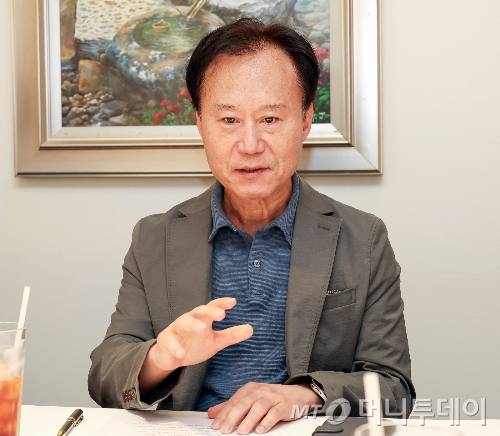
▶Kim Dong-ho (CEO)=In the past, excellent talents in software development were those who coded well. Our company has been using AI for about a year now, and currently, AI handles 80% of coding. From a recruitment standpoint, we used to prefer candidates with experience solving similar problems, but now we can effectively solve even unfamiliar problems by leveraging AI. Ultimately, the ability to "ask good questions and structure problems" is key. What high-performing employees have in common is that they clearly divide tasks into areas that can be structured and delegated to AI.
▶Lee Ju-wan (Chairman)=Talent that will be increasingly valued goes beyond merely being skilled at using AI; it is "talent who recognizes problems that can actually be solved and takes action." Only by creating tangible value through execution can one contribute to corporate productivity. There is a need for the ability not just to recognize problems and execute, but to ensure execution leads to results.
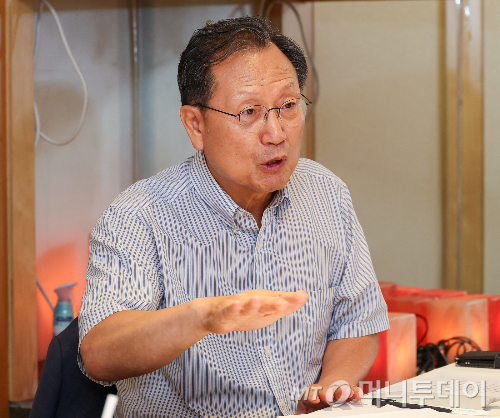
▶Advisor Kim Jong-gap=We are moving toward an increasingly unpredictable future. Therefore, we now need talent with broad diversity. In the past, mature business units recruited talent that fit specific roles and deployed them immediately to the field. However, today, beyond hiring experienced professionals, companies conduct multi-month internships for university students to verify talent. Since a few interview rounds cannot possibly reveal a person's true nature, we must deeply select individuals with whom we can work long-term.
▶Advisor Jung Yu-seong=If we compare AI to farming, even when tractors replaced hoes, farmers did not disappear. Productivity simply varied depending on how well new technologies were utilized. What matters in the AI era is questioning ability, problem-definition skills, and the judgment to critically verify AI outputs. Collaboration with AI is also essential. Even new hires must now work like "managers" who assign tasks to AI and verify them. For companies, the core challenge is discovering such talent.
Domain Knowledge vs. AI Capabilities… "Need for Integrated Talent Possessing Both Domain Knowledge and AI Knowledge"
With AI being essential today, there is much debate over whether "AI technical capabilities" or "domain knowledge (specialized work experience)" in each field should come first. Attendees leaned toward the view that it is far more effective for those who understand on-the-ground operations to learn AI.
▶Professor Park=As AI develops, will domain knowledge become less important? I am curious about opinions on whether it is better to hire someone who excels at specific tasks or someone who can manage overall work as a manager.
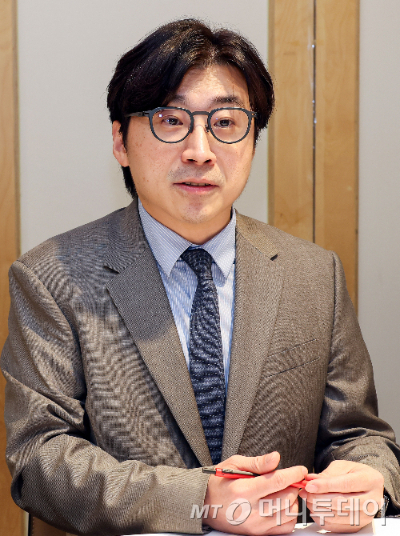
▶Chairman Lee=Recently, I have been pondering that as businesses become more advanced, they are becoming specialized by industry domain. Our company's business involves multiple industrial domains, and we tried cultivating technical personnel as specialists (experts) in specific domains. However, my recent thought is that it is much faster to teach AI to talent who already possess domain knowledge than to teach those domains to AI talents. For example, providing AI capabilities to someone with 10–20 years of experience in financial-related work or pairing them with AI talent yielded far better results. Ultimately, I believe we have reached a point where integrated talent possessing both domain knowledge and AI knowledge is needed.
▶Kim (CEO)=In our business, the most important thing is small and medium-sized enterprises (SMEs). People who understand Lee Deul (President) well perform their jobs better. Customers' needs require a deep understanding of the industry, which is a differentiated resource. There are 6.13 million SMEs in Korea, and we handle more than half of them. Interestingly, after hiring employees, many were found to have parents or spouses who run businesses, giving them a good understanding of this field. For service companies like ours, technology (such as AI) is something we can simply adopt and use.
▶Advisor Jung=At Samsung, we distinguish between specialists and generalists (integrated talents) for development. Especially for developers, we cultivate them along the developer track to become specialists; among excellent development leaders, some become business managers. Generalists are naturally cultivated into executives through rotational assignments. A balance between these two areas is necessary.
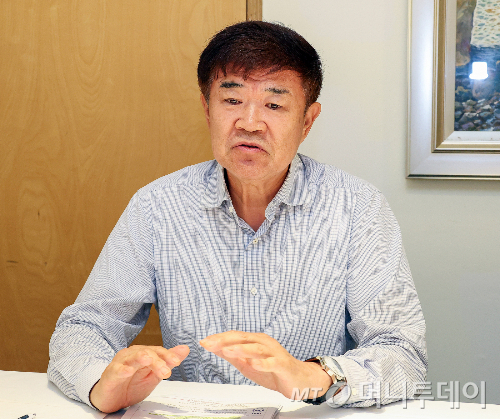
▶Advisor Kim=Just over a decade ago, no one could have predicted that HBM (high-bandwidth memory), which had no buyers at the time, would become the hottest product recently. "Necessity is the mother of invention," but sometimes "invention becomes the mother of necessity." While concentrating investment on high-probability businesses, we also need sustained patience and investment in technologies representing new paradigms, even if their probability is low. Therefore, large corporations should focus recruitment on "diversity," while SMEs with limited resources find it more realistic to prioritize specialized talent in hiring.
"Final Decision-Making Remains a Human Role… Cultivate Judgment Through Extensive Experience"
Although work methods and required capabilities have changed, attendees agreed that essential values such as responsibility, attitude, and experience needed by talent remain unchanged.
▶Professor Park=You mentioned that critical thinking and judgment capabilities are important when working with AI. Where does good judgment come from?
▶Chairman Lee=Judgment and decision-making involve "responsibility." AI can summarize information but does not take responsibility. Although AI hallucination phenomena have decreased, they have not completely disappeared. Ultimately, final decisions and responsibility rest with humans. As we enter an era where philosophers are gaining prominence alongside AI development, I believe that making decisions with philosophical awareness, ethical consciousness, and a sense of responsibility is the unique role of humans.
▶Kim (CEO)=When recruiting, we ask candidates to discuss experiences where they failed despite doing their best, rather than citing external factors. As a follow-up question, we ask: "If you could go back to that moment with all your memories intact, what would you do?" What is interesting here is that excellent individuals have already thought about this. Their reflective attitude—"I had already considered this and think I would have done well if I had acted this way"—reveals their mindset toward work.
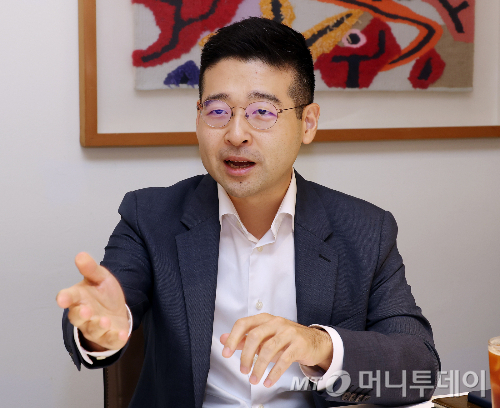
▶Advisor Jung=To cultivate judgment, I tell people to do a lot of work. Judgment is born from experience, so that is the foundation. Internally, one must strengthen their own capabilities; I recommend reading paper newspapers. Paper newspapers express stories by scholars and complex technical content in the simplest terms. Reading such newspapers helps build your own intellectual soil.
▶Advisor Kim=Regarding leaders, a leader is someone who makes decisions and judgments quickly. Everyone fails, but it is important to fail quickly and move on. That was our secret to defeating Japan in semiconductors. We tried execution first, while Japan waited until they followed manuals, which caused delays. Often called "failure," this was actually an early "invention" of the realization that one must never take that path again. Creating an environment where failure is tolerated is important, and individuals must hold both authority and responsibility together. When responsibility and authority do not align, it hinders judgment.
▶Professor Park=Summarizing today's discussion: In the AI era, individuals must cultivate final judgment by adding critical thinking and philosophical/ethical depth that AI cannot provide. Companies must go beyond simple AI adoption to completely redesign business processes, securing talent diversity through continuous hiring, internships, and flexible cultures. Furthermore, schools must shift their educational paradigm from rote memorization of answers to fostering questioning abilities and problem-solving skills that recognize and structure problems.

 in INDUSTRY


