

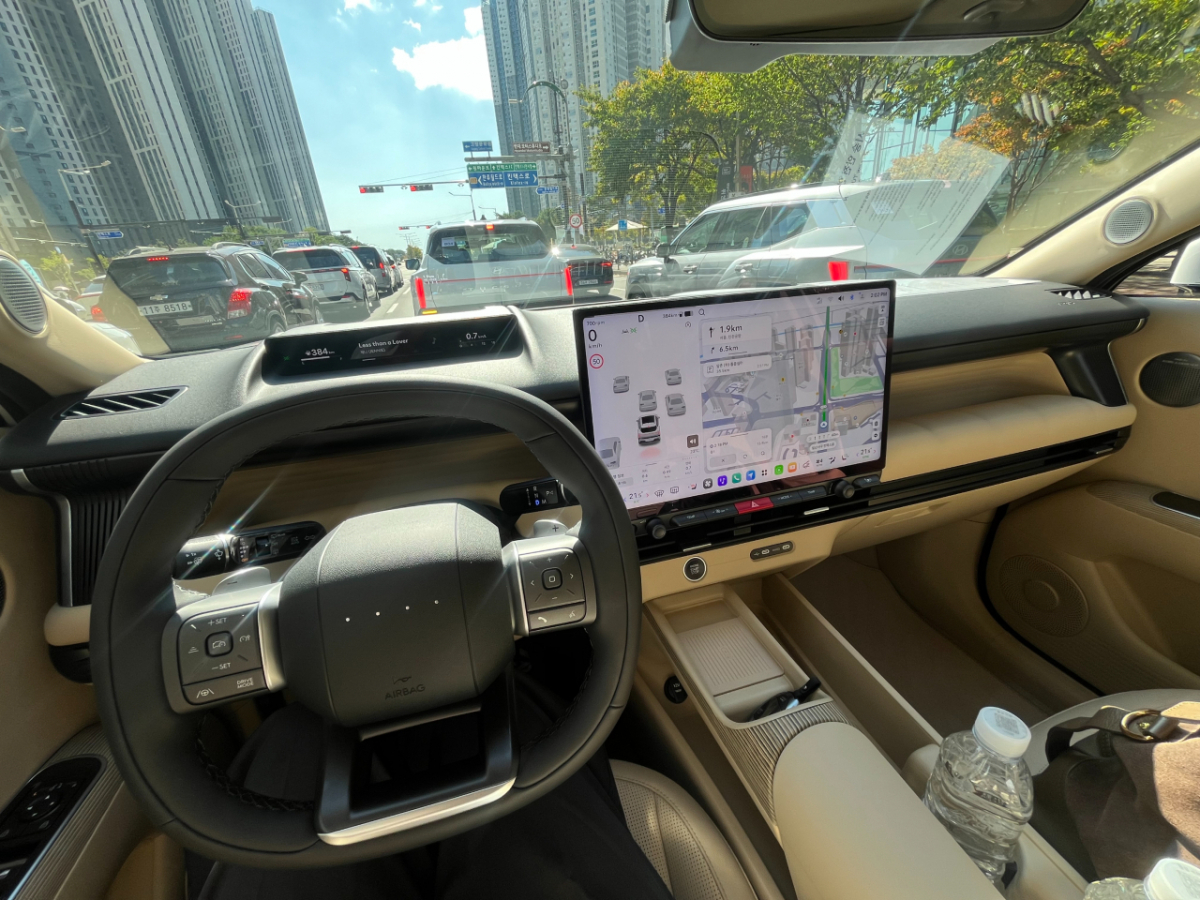
What should be visible first from the driver's seat in a car meant for family use? The side mirrors used to check surrounding vehicles, and the infotainment screen that guides the way. The first advantage noticed in Hyundai Motor's "All-New Tucson" was how comfortable it is to shift one's gaze between these two elements. After passing by its strong, angular exterior and sitting in the driver's seat, the impression received was that the elements entering the field of view were orderly.
On the 7th, the new Tucson was driven on a route from Hyundai Motor Studio Goyang in Goyang, Gyeonggi Province, to Gimpo. The horizontal central screen placed driving information on the left side, closer to the driver, and arranged the navigation map broadly on the right side. This configuration, which distinguishes between the current situation around the car and the road ahead, was the starting point for a comfortable field of view.
The side mirrors and infotainment system are places where the eyes repeatedly go during driving. In the new Tucson, the angles from the driver's seat to look at these two elements felt natural. When alternately checking the surrounding situation and driving information, the line of sight did not become disorganized.
The central screen displayed information clearly divided. On the left side, closer to the driver, it showed driving information representing speed and surrounding vehicles, while the wide area on the right was allocated for the navigation map. By distinguishing between the current situation around the car and the road ahead, it was easy to grasp where to read the necessary information.
The low, horizontally long instrument cluster behind the steering wheel was also concise. The dashboard and air vents extending horizontally added visual stability. What stood out was not the size of the screen or the number of functions, but the method of dividing and arranging the information.
A driver carrying family members checks surrounding vehicles and finds the way while simultaneously paying attention to the condition of the family in the rear seats. This is especially true if children are seated in the back, as there are more things to take care of. An environment where necessary information appears neatly in its place seemed likely to alleviate this burden. The stability of a family car was felt starting from the driver's field of view.
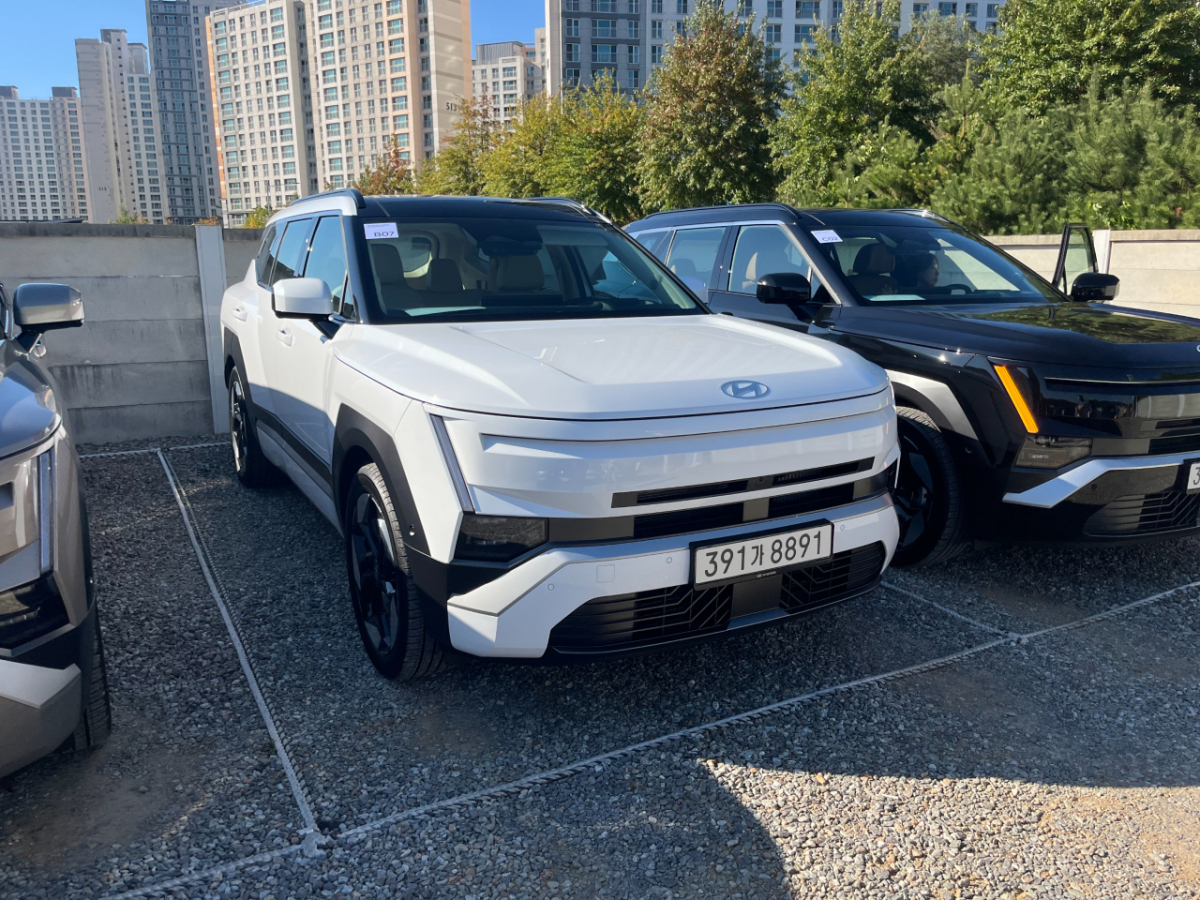
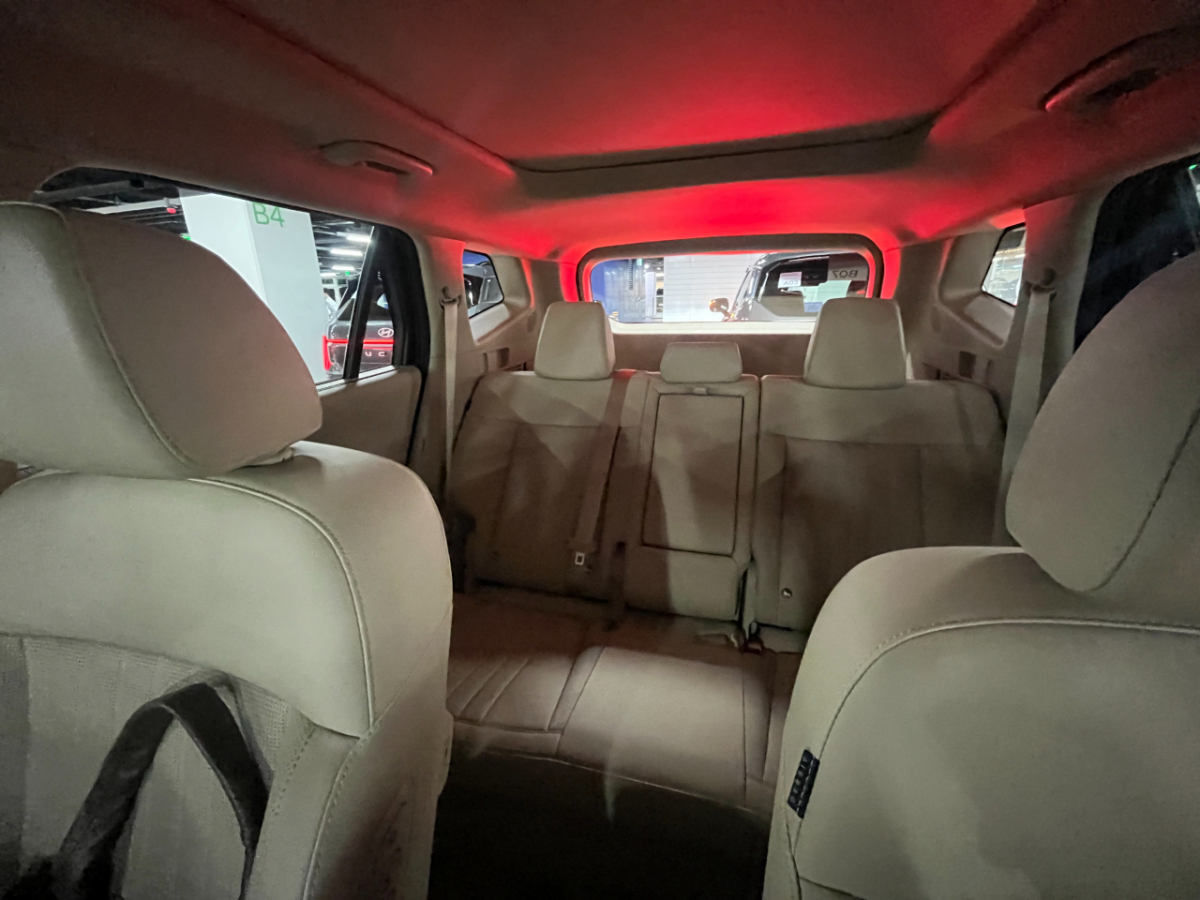
The design for families continues in the rear seats and doors. The new Tucson increased its overall length by 60 mm and wheelbase by 30 mm compared to the previous model. Second-row legroom and headroom were expanded by 14 mm and 29 mm, respectively. In addition to the visual spaciousness felt from the driver's seat, the space used by passengers has also been widened.
The second-row doors open up to a maximum of 83 degrees. This is a design considering situations such as placing children in car seats or moving bulky luggage. The convenience of a family car is not determined only during driving; it involves repeated processes of loading luggage before boarding, putting children in the car, and getting out again upon arrival. In this regard, widely opening doors are a practical change. Based on the 1.6 turbo gasoline model, the trunk capacity also increased from the previous 622 liters to 645 liters.
However, the comfort felt in the field of view did not extend to quietness. During the test drive, sounds from the engine and exhaust system were audible. From the perspective of a car for comfortable travel with family, this was an area where more suppression would have been desirable. Unlike the visually stable interior, noise clearly indicated the presence of the car during driving.
Hyundai Motor stated that it expanded the application range of sound-insulating glass to the second row in the new Tucson and also increased the area of the sound insulation layer between the engine room and the interior. Nevertheless, despite design changes aimed at reducing noise and vibration, there was a sense of dissatisfaction with the directly experienced quietness.

 in INDUSTRY


