


<
<
"Aortic Dissection," easily confused with myocardial infarction... Accurate differentiation is necessary
Aortic dissection often begins with sudden and severe chest pain, making it easy to confuse with acute myocardial infarction. However, the causes and treatment methods of the two diseases are entirely different. In particular, if aortic dissection is misdiagnosed as a myocardial infarction and thrombolytics or antiplatelet agents are administered, the risk of bleeding and rupture can increase, making accurate differentiation before treatment essential.
The aorta is the largest artery in the human body, carrying blood from the heart to the entire body. Aortic dissection is a disease in which a tear forms in the inner wall of the aorta, allowing blood to penetrate between the layers of the vessel wall, causing the wall to separate layer by layer. High blood pressure and age are representative risk factors, and the risk is also high in cases of hereditary connective tissue disorders such as Marfan syndrome or bicuspid aortic valve.
If left untreated, the risk of death can increase rapidly
Aortic dissection is broadly classified into Stanford Type A and Type B depending on the location where the dissection occurred.
Stanford Type A, which involves the ascending aorta directly connected to the heart, can lead to fatal complications such as aortic rupture, bleeding around the heart, and impaired blood flow to major organs. If left untreated, the risk of death in the early stages of onset increases rapidly over time, so emergency surgery is required in principle.
In contrast, Stanford Type B refers to cases that do not involve the ascending aorta. In the absence of complications, the initial approach involves controlling blood pressure and pulse to reduce the burden on the aortic wall while monitoring the progression. However, if aortic rupture or impaired blood flow to major organs occurs, or if pain persists or the aorta expands rapidly, treatments such as endovascular stent grafting may be considered.
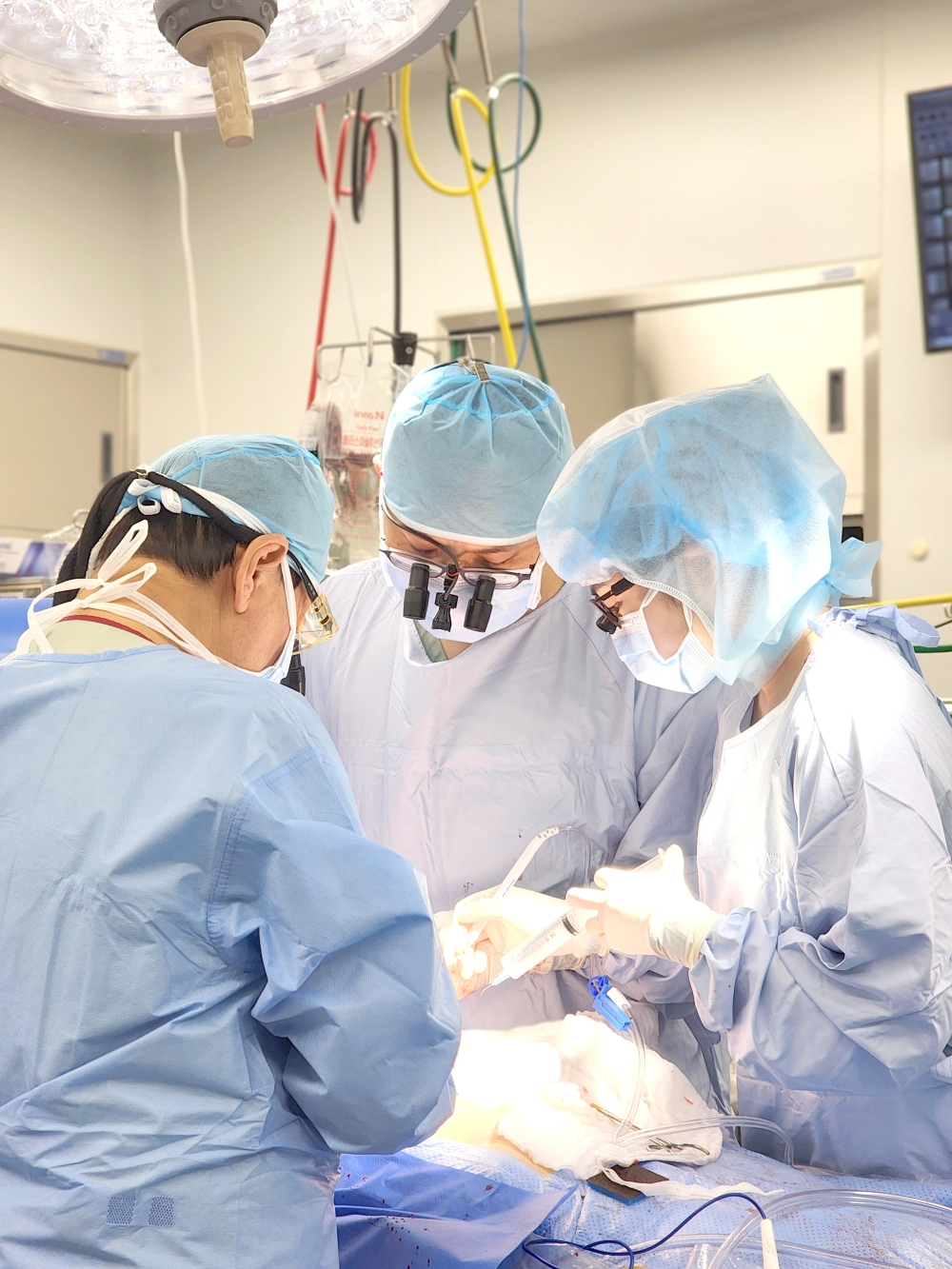
Divided into surgical treatment and endovascular stent grafting
Treatment methods for aortic dissection are broadly divided into surgical treatment and endovascular stent grafting.
Surgical treatment involves opening the chest or, if necessary, the abdomen to directly access the aorta and replacing the problematic vessel with an artificial blood vessel. Lesions in areas close to the heart, such as the aortic root or ascending aorta, mostly require surgical treatment.
Stent grafting involves inserting a device into the blood vessel and deploying a stent graft at the affected part of the aorta to prevent blood flow from entering between the damaged layers of the vessel wall.
Cheon Chang-seok, head of the Department of Cardiovascular and Thoracic Surgery at Incheon Sejong Hospital, stated, "Surgery is a treatment that directly replaces the problematic vessel, while stent grafting is a treatment that blocks the torn entrance to guide blood flow back into the original vessel." He added, "The actual treatment method is determined by comprehensively considering where in the aorta the problem occurred, the extent of the dissection, the shape of the vessel, and the patient's overall condition."
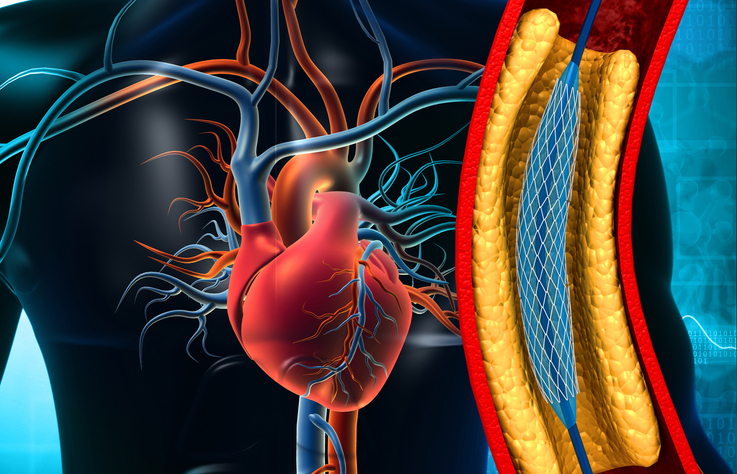
Myocardial infarction vs. Aortic dissection: How to distinguish them
Acute myocardial infarction occurs when a coronary artery supplying blood to the heart becomes blocked, preventing proper supply of blood and oxygen to the heart muscle. In contrast, aortic dissection occurs when a tear forms in the wall of the aorta.
Pain from myocardial infarction often presents as a crushing or squeezing sensation in the chest. Aortic dissection involves tearing-like pain that is most severe at the onset and often moves from the chest to the back or abdomen. Differences in blood pressure or pulse between both arms may also appear. It can be accompanied by shortness of breath, fainting, abdominal pain, or sensory or motor abnormalities in the limbs.
However, there are many atypical cases, making it difficult to clearly distinguish between the two diseases based on pain alone. If the dissection extends to the entrance of the coronary arteries, findings similar to those of a myocardial infarction may actually appear simultaneously. Therefore, even in situations where myocardial infarction is suspected, one must comprehensively examine when and how the pain started, its location, nature, and accompanying symptoms, and if necessary, confirm the possibility of aortic dissection via aortic CT.
The risk increases as the dissection progresses
Aortic dissection may not simply remain as a tear in the vessel wall. As the dissection progresses, the aorta may rupture or blood may accumulate around the heart, and blood flow to major organs such as the brain, kidneys, intestines, and legs may be blocked.
Therefore, how quickly the disease is identified and appropriate treatment is initiated determines life or death. In particular, Stanford Type A aortic dissection involves the ascending aorta close to the heart, so it must lead to emergency surgery immediately upon diagnosis. After arriving at the emergency room, one must quickly confirm the location and extent of the dissection and whether there are problems with blood flow to major organs via aortic CT, and determine whether surgery is needed or if endovascular treatment is possible.
Interdisciplinary cooperation and "hotLINE" system are important... In case of pain, contact "119" or visit an emergency medical institution
Aortic dissection often cannot be resolved by the judgment and treatment of a single department alone. Depending on the patient's condition, cooperation among multiple departments, including Cardiovascular and Thoracic Surgery, Emergency Medicine, Radiology, Anesthesiology and Pain Medicine, and Critical Care Medicine, is required.
In particular, it is important how quickly the entire process—from suspecting aortic dissection in the emergency room and performing necessary tests to connecting the patient with specialized medical staff and proceeding to surgery or procedures—is carried out.
To achieve this, there must be a system that supports medical staff in quickly sharing patient status and test results when an emergency occurs, enabling immediate connection to necessary specialized care and treatment.
Head Cheon Chang-seok stated, "When an emergency patient with aortic dissection occurs, medical staff must share the patient's condition and test results, and be able to connect immediately to surgery if necessary." He added, "If there are risk factors such as high blood pressure, it is also helpful to know in advance which nearby hospital can perform emergency aortic surgery." He emphasized, "While it is difficult to predict all cases of aortic dissection in advance, if tearing-like pain starts suddenly, spreads from the chest to the back or abdomen, and is accompanied by fainting, shortness of breath, or abnormal symptoms in the limbs, one should not hesitate but contact 119 or visit an emergency medical institution."

 in THEBIO


