

As the Bank of Korea recently implemented an unprecedented consecutive rate hike, setting the base rate at 3% annually, President Lee Jae-myung mentioned that the base rate could rise to 3.5% in the first quarter of next year, increasing the likelihood of further hikes. With the dawn of a high-interest-rate era, concerns about an 'interest bomb' are mounting across the economy, including among corporations, households, and the real estate market.
According to data from the Bank of Korea released on the 31st, as of late July, corporate loan balances at deposit banks increased by 7.7 trillion won in a single month to reach 1,421.1 trillion won. Household loans also rose by 5.4 trillion won to record 1,194.8 trillion won. Simply adding the amounts borrowed by corporations and households from banks totals 2,615.9 trillion won.
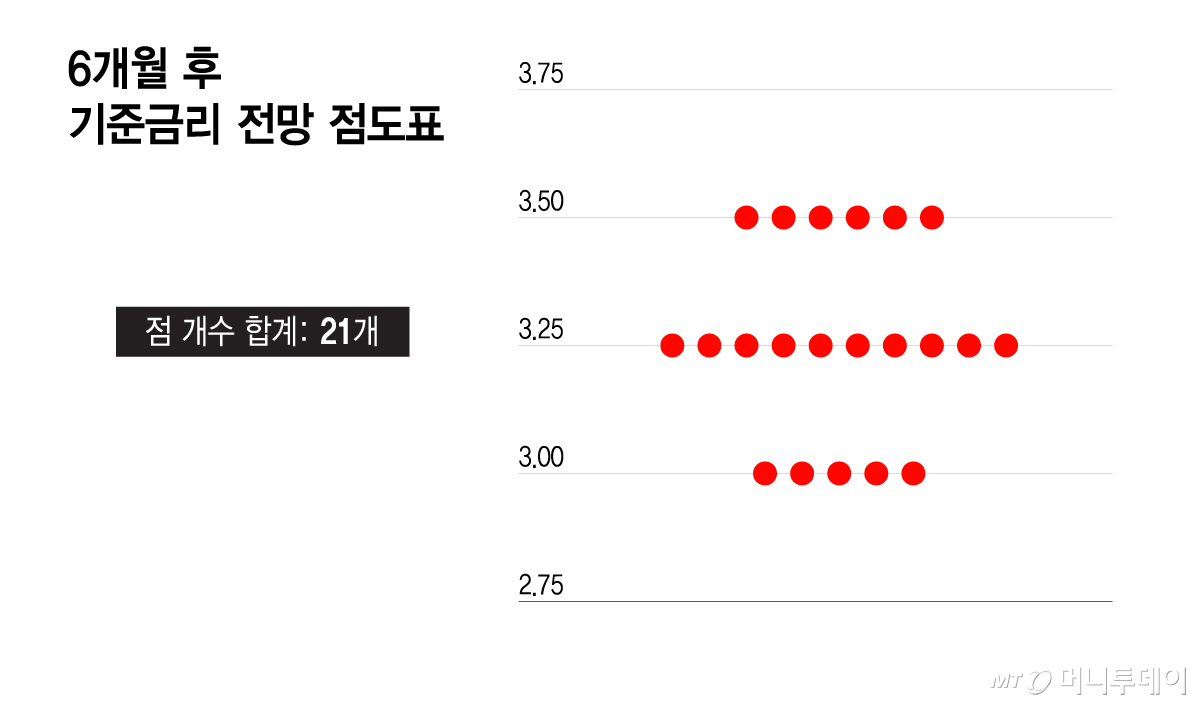
While loan balances have swelled, interest rates are entering an upward trend. The Bank of Korea Monetary Policy Board raised the base rate from 2.50% to 2.75% last month, followed by an additional hike of 0.25 percentage points (P) to 3.00% on the 27th. Among board members' conditional forecasts for the base rate six months out, the most frequent projection was 3.25%, with 3.50% following closely behind.
As interest rates continue to rise, an 'interest bomb' is becoming a reality for corporations and households. As of late July, variable-rate loans accounted for 70.5% of corporate loan balances at deposit banks. For household loans, the share of variable-rate loans also exceeded half at 56.7%. Variable-rate loans reflect interest rate increases in loan rates, thereby increasing the interest burden on existing borrowers.
The real estate market is also facing growing burdens due to rising interest rates. Those known as 'young-gulluk' (household borrowers who leveraged all their assets) who purchased homes by pooling loans during the low-interest era will inevitably face heavier principal and interest repayment burdens as rates rise. If the upward trend in interest rates continues, buying sentiment may contract, and there is a possibility that listings from borrowers unable to withstand interest burdens will increase.
Interest rate hikes are also expected to curb the overheated real estate market in the capital area and slow the growth of household debt. President Lee referenced Morgan Stanley's forecast of a 3.5% base rate for the first quarter of next year, issuing a warning message against speculative demand in the real estate market. However, he clearly stated that interest rates are an area beyond government intervention.
The possibility that increased interest burdens will lead to contraction among corporations and households is considered the most critical concern. Analysts suggest that with financing costs already rising, if interest rate hikes suppress corporate investment and household consumption, it could become another burden on domestic demand recovery.

 in LIVING
