

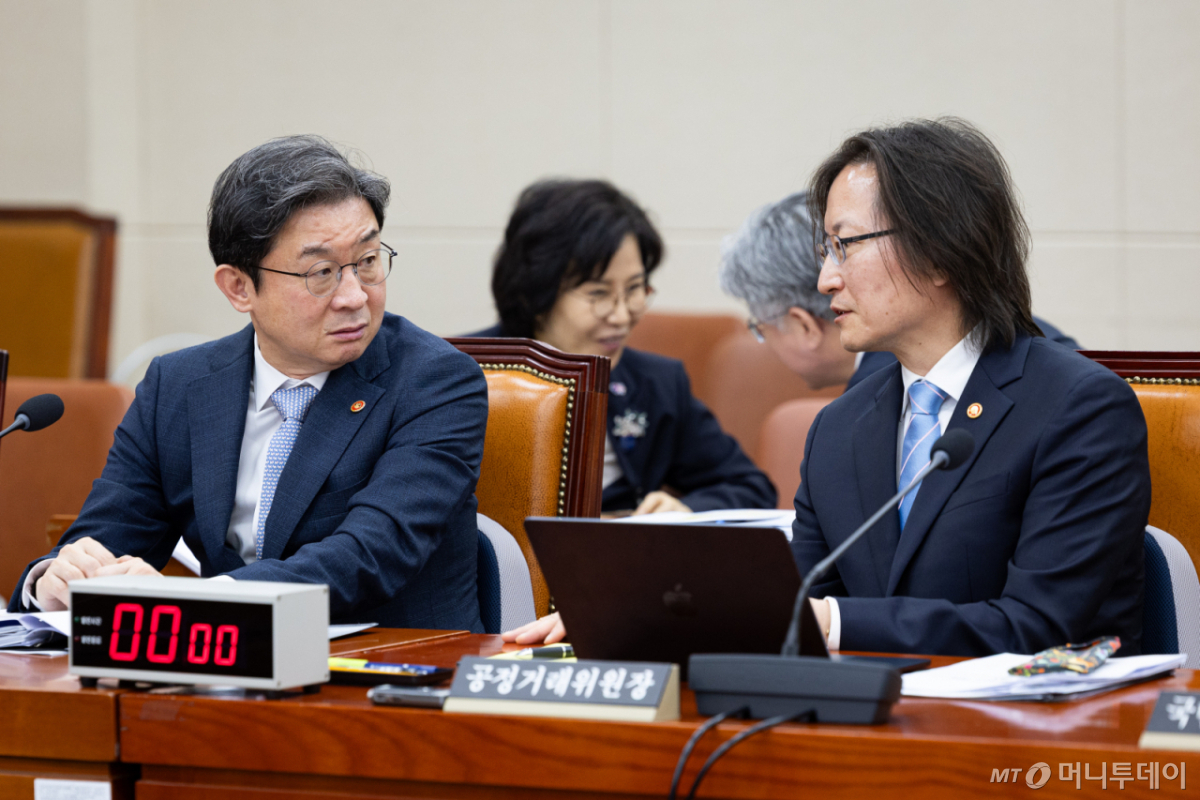
While the government champions deregulation and the development of new industries, administrative realities are moving in the opposite direction. Each ministry competes to impose "record-breaking" fines and sanctions that strangle businesses. The disconnect between words and actions ends up stifling corporate innovation and the will to take risks.
Punishments are being applied across the board. From January through July, the Fair Trade Commission alone imposed over 1.35 trillion won in fines on food companies. Platforms and distribution sectors face intense pressure: Coupang is grappling with a burden exceeding 1 trillion won due to Personal Information Protection Commission fines and tax audits. Even after banks completed compensation for 97% of affected accounts, the relentless pursuit of ELS-related fines totaling around 600 billion won shows no sign of restraint.
Regardless of the severity of violations, an administrative approach that simply "punish first and assess later" inevitably breeds negative side effects. While domestic platforms like Naver and Kakao Mobility remain tied up in lawsuits for six years due to search algorithm sanctions—wasting their golden opportunity—global big tech companies have expanded unimpeded into Korea's market. Financial sector pressures, such as the 272 billion won fine for restrictions on LTV information exchange (without even quantifying actual damages), have led to a contraction in credit supply, ultimately cutting off funding sources for innovative startups and small businesses—a self-defeating move.
The more ambiguous the criteria for post-facto sanctions become, the more companies are forced to halt investments and pour resources into legal defense. For corporations, accepting massive fines that threaten their very survival would expose them to shareholder lawsuits for breach of fiduciary duty; thus, they have no choice but to take their cases to court. This is precisely why excessive sanctions ultimately result in administrative failure.
In reality, the authorities' hasty decisions have repeatedly been halted by courts. The National Tax Service has suffered a string of losses in major tax litigation, and the Korea Fair Trade Commission has faced lawsuits from companies like Qualcomm and Nam Yang Dairy, resulting in successive court rulings overturning its penalties. Over the past nine years alone, fines returned to businesses due to such defeats amount to 625 billion won, with an additional 47.4 billion won in interest (refund surcharges) added on top.
The era of "sanctions at all costs"—which wastes public funds when penalties are overturned and merely fills the national treasury without compensating consumers when collected—has come to an end. A shift toward a settlement-based model that encourages voluntary corporate corrections and swift consumer relief, similar to the FTC's consent orders in the United States or the EU's commitment procedures, is urgently needed in areas such as fair trade and personal data protection. The financial and tax sectors must also embrace responsible administration centered on genuine market normalization and consumer protection.

 in OPINION
