

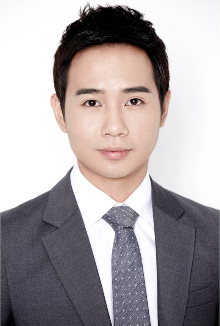
"Are there still people passing away from COVID-19 these days?"
This was the reaction shared by Kim Hee-soo, Executive Vice President of Moderna Korea, in a recent interview. While it was once necessary to check daily numbers of confirmed cases and deaths, COVID-19 now feels like something of the past. As people remove masks and reclaim their daily lives, the idea that they must receive annual vaccinations seems unfamiliar. However, not everyone enjoys daily life under the same conditions.
In 2024, 3,208 people in South Korea died from COVID-19. Although this is a significant decrease compared to the previous year, there is no room for complacency. Of those who died, 72.2% were aged 80 or older. This figure clearly demonstrates that while the overall risk to society has decreased, it does not guarantee safety for every individual in the elderly population. It means an infection that may pass lightly for some can become the reason for a final hospitalization for others.
Interest in vaccination has not kept pace with these risks. According to data released by the Korea Disease Control and Prevention Agency (KDCA), as of March 24, 2025, the vaccination rate among high-risk groups for the 2025–2026 season was only 42.7%. More than half of the target population remained unvaccinated. This is also why the Korea Disease Control and Prevention Agency extended the vaccination period to the end of June in preparation for a potential summer resurgence. It shows that simply offering free vaccination opportunities is not enough.
The demand from companies selling vaccines to expand coverage comes with business interests. However, we cannot ignore the necessity of protecting high-risk groups embedded in those demands. The standard for decision-making should not be corporate sales or public interest, but the disease itself. In a situation where the elderly population is growing, it is essential first to identify who is missing out on vaccinations and why they are not receiving them.
The government must not interpret declining vaccination figures solely as a result of reduced demand. It must guard against a vicious cycle in which vaccine supplies and guidance are scaled back to match low performance, leading to further contraction in vaccination rates.
Concerns about safety cannot be resolved simply by urging unconditional reassurance. Known adverse reactions and the benefits expected from vaccination should be explained according to each individual's level of risk. Ignoring anxiety or treating questions solely with distrust is not a way to build trust in vaccination.
A daily life where one can forget about COVID-19 is precious. However, the protection of the elderly cannot be left entirely to individual memory. Ahead of autumn vaccinations, what is needed is not fear from past outbreaks, but guidance and vaccination opportunities for high-risk groups.

 in OPINION
