

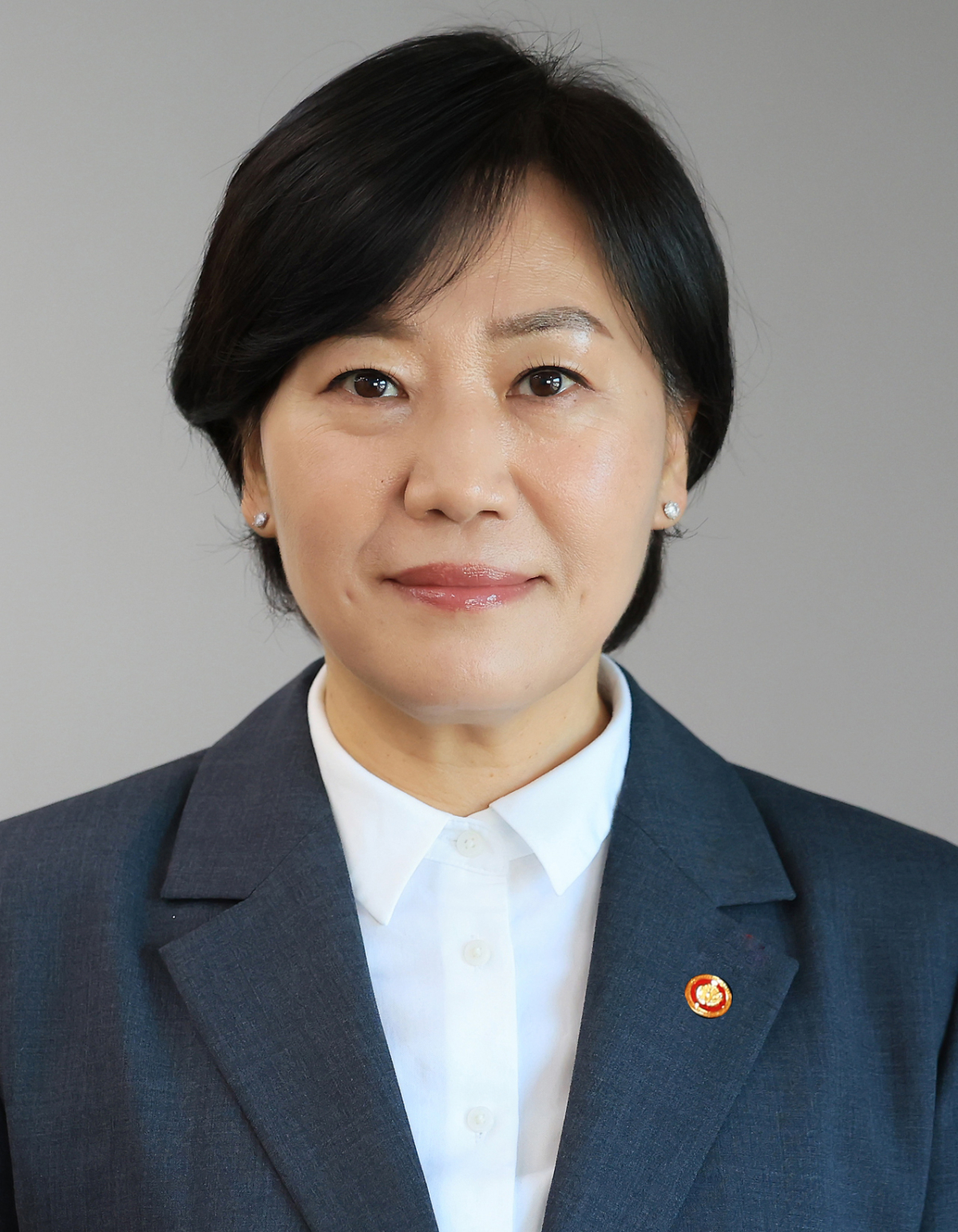
These days, I am spending more time communicating directly with farmers and citizens through social media. As I read comments and messages, I fully feel the hardships of farmers tilling the land under the scorching sun and the concerns facing our rural communities. Every time I hear voices from the field saying that agricultural support is still insufficient, or receive appeals from citizens to safeguard food security and the value of rural areas, I am reminded once again of the heavy responsibility I bear as the minister in charge of agricultural policy.
The 2027 budget proposal for the Ministry of Agriculture, Food and Rural Affairs, prepared to reflect these voices from the field, totals 22 trillion 215 billion won. This represents a 10.4% increase from the previous year. This is not simply about expanding the size of the budget. It embodies the government’s determination to protect farmers’ livelihoods, inject new vitality into rural areas, and enhance the future competitiveness of Korean agriculture.
First, we will strengthen state responsibility so that farmers can focus on farming with peace of mind. We are officially entering an era where public welfare direct payments reach 3 trillion won, while also raising the base payment rate. We will expand direct payments for strategic crops and environmentally friendly farming, and newly introduce direct payments for animal welfare livestock farming.
We will introduce a price stabilization system to respond to falling agricultural product prices and strengthen disaster insurance to prepare for disasters caused by climate change. We will also broaden pathways for young people to challenge and grow in agriculture by strengthening phased support ranging from settlement of prospective farmers through the Ministry of Education to land supply.
To ensure that rural residents can enjoy a basic quality of life, we will improve living conditions. The number of regions receiving basic income support for rural areas will more than double, and the national subsidy rate will be raised to reduce the financial burden on local governments. We will expand AI-based demand-responsive transportation services to reduce mobility inconveniences and waiting times for rural residents.
For the first time, the government will contribute to the Rural-Urban Mutual Prosperity Fund, fulfilling its commitment to agriculture and rural areas. Using this as a catalyst, we will also broaden mutual cooperation initiatives from the private sector.
To address structural challenges such as aging populations and climate change, we will respond with innovations that transform the agricultural sector’s structure. We will cultivate joint farming corporations as key entities for scaling up and improving efficiency, and proactively manage agricultural supply and demand from forecasting through production and stockpiling.
We will expand physical AI (artificial intelligence) and smart agriculture to alleviate labor shortages and boost productivity. Meanwhile, we will establish smart fulfillment centers to enhance logistics and distribution efficiency from production sites to consumption areas. We will also expand K-food export infrastructure to support the agricultural and food industry in establishing itself as a future growth engine in global markets.
We are also reforming the framework of agricultural finance. By creating an integrated 'Agricultural Development Fund' that combines funds for farmland, food security, and FTA (Free Trade Agreements), we will reduce barriers between funds and use increased special tax revenues to alleviate accumulated debt burdens. Through this, we aim to flexibly allocate resources where needed and build a fiscal foundation capable of responding agilely to unpredictable issues.
Agriculture is not merely a primary industry that produces food. It is the root that protects citizens’ lives and an irreplaceable national strategic industry. We will ensure that this 2027 budget of 22.2 trillion won serves as a milestone that eases the immediate difficulties faced by farming households and accelerates the future of agriculture and rural areas, where advanced technologies like AI and customized welfare are integrated.
We will not neglect even a single won of the budget, so that farmers’ sweat returns as meaningful rewards and all citizens can proudly take pride in our food security and the value of rural communities. We will continue to listen to voices from the field until the end, carefully examine areas that need attention, and fulfill our promises through action.

 in OPINION
