

Going forward, senders of illegal spam and businesses that neglect their obligations to prevent illegal spam will be required to pay fines of up to 6% of their relevant revenue, depending on the severity of the violation.
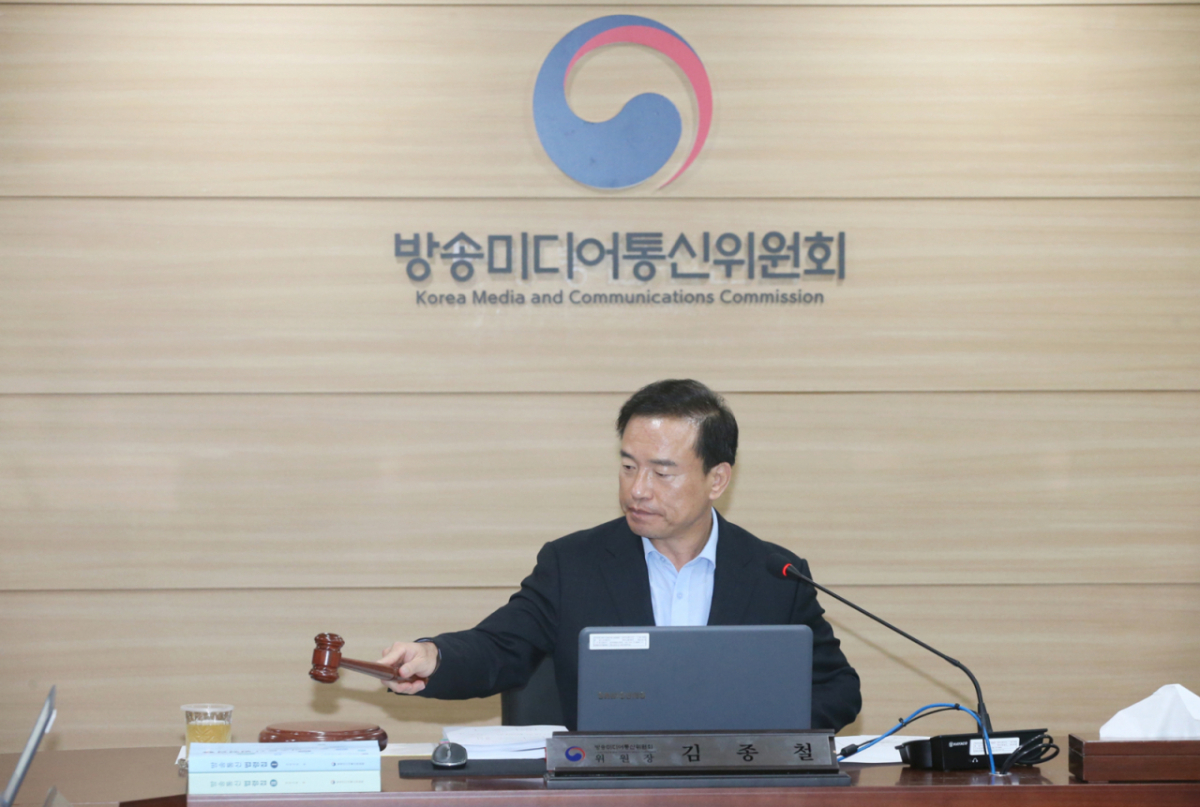
On the 29th, the Broadcasting, Media and Communications Commission held its "26th Plenary Meeting of 2026" and prepared a draft amendment to the Enforcement Decree of the Act on Promotion of Information and Communications Network Utilization and Information Protection, etc., which stipulates penalties for illegal spam, as well as a draft notice on penalty standards for violations related to the transmission of advertising information.
These drafts are subordinate regulations accompanying the revised "Act on Promotion of Information and Communications Network Utilization and Information Protection, etc." that passed the State Council in March. They classify the seriousness of each violation related to illegal spam transmission into three levels: "very serious," "serious," and "ordinary," and impose fines ranging from 1% to 6% of relevant revenue for each type of violation.
Seriousness will be determined based on intent or negligence, the severity and type of violation, the scale of damage, and its impact. If revenue cannot be calculated, fixed penalties between 100 million won and 2 billion won will be imposed.
In addition, information and communication service providers must take concrete measures when their services are being misused for illegal spam transmission, including immediately halting the transmission of advertising information, denying access to the service, terminating contracts with illegal spam senders, or improving terms of use and user agreements.
Furthermore, the regulations stipulate that entities that have not obtained "transmission qualification certification," which requires them to establish illegal spam prevention capabilities before engaging in bulk text message transmission services, will face fines of up to 30 million won for each violation if they outsource profit-oriented advertising information transmission to others.
The draft enforcement decree and notice reported on this day will be publicly announced and implemented in October after undergoing legislative review by the Ministry of Government Legislation and approval through State Council and Vice-Ministerial meetings following a period of public notice.
The Broadcasting, Media and Communications Commission plans to inform the public of these contents through the Official Gazette of the Republic of Korea and its official website to solicit opinions. Those with comments may submit them via email or phone (02-2110-1536) during the legislative notice period.

 in TECH
