

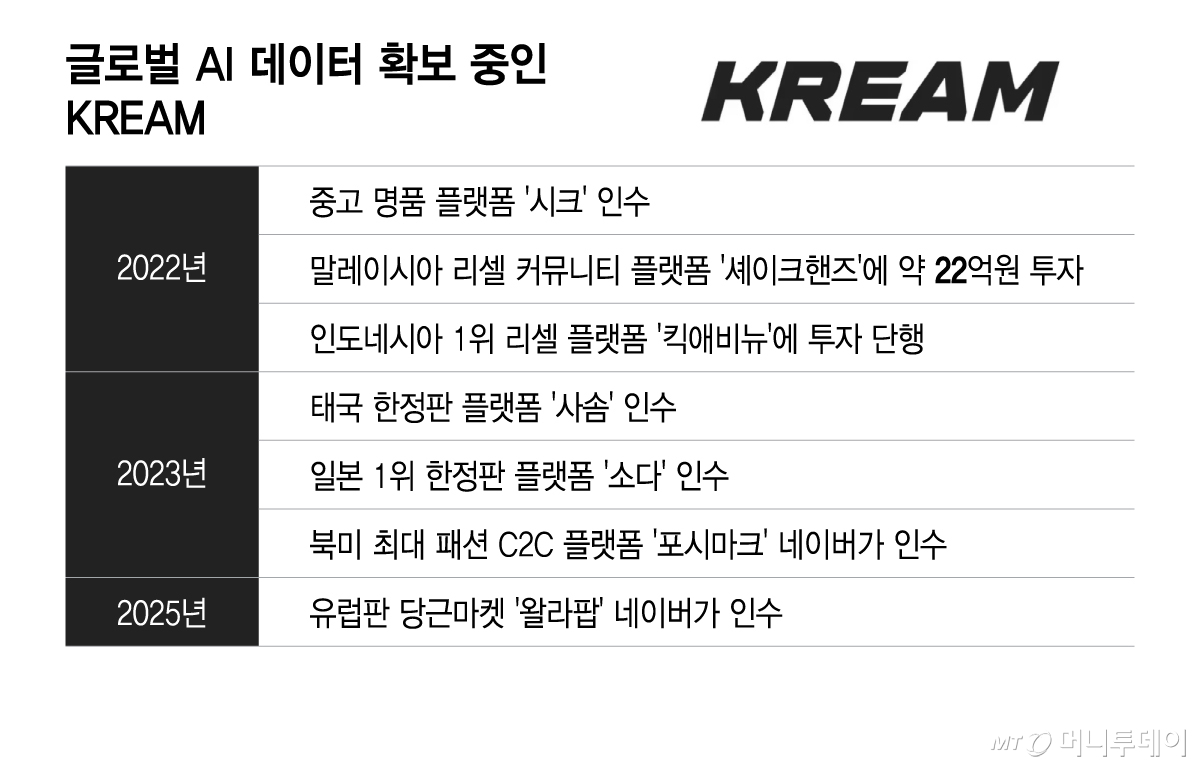
The domestic resale market is being restructured around Naver (NAVER) KREAM. With Musinsa Soldout, which had been competing with KREAM, ceasing operations, a de facto monopoly system has emerged. However, KREAM is currently in a state of complete capital impairment. As the growth formula for the resale market wobbles, attention is turning to the background behind Naver’s continued support of KREAM.
According to IT industry sources on the 6th, Musinsa will officially terminate its limited-edition trading platform Soldout as of December 31. Musinsa explained that the reason for winding down the business was to focus on recommerce services that can contribute to a fashion circular ecosystem, rather than limited-edition resale, amid a decline in the scale of C2C (consumer-to-consumer) transactions for limited-edition items.
The domestic resale market grew rapidly during the pandemic period due to the influence of so-called "revenge psychology." Both Soldout and KREAM launched in 2020. The two platforms led the resale market, centered on limited-edition sneakers and luxury goods. However, popularity for luxury items among younger demographics dropped sharply, and growth slowed as issues such as counterfeits and inspection problems piled up. SLDT, which operates Soldout, has posted operating losses every year, with cumulative operating losses exceeding 100 billion won. KREAM has also failed to escape the red.
Even as the domestic resale market wobbles in this way, Naver’s confidence in KREAM remains firm. Naver disclosed in August that it plans to invest a total of 130 billion won in KREAM by the second half of this year. Regarding the purpose of the investment, the company stated it was "to secure funds for expanding business scale and so on." Once the investment is completed, the total amount Naver has invested in KREAM will increase to 179.9 billion won.
Naver explained that the reason it continues to invest in KREAM is to secure data diversity for the AI era. It judged the C2C market, where long-tail commerce data and UGC (user-generated content) communication data are accumulated, as a business area with potential. Naver described the C2C platform as an ecosystem that handles a wide range of products from everyday items to unique rare goods, where abundant communication reviews accumulate between sellers and buyers.
Naver stated its intention to grow the data secured through the C2C platform into an asset unique to Naver in the AI era, similar to how it previously built independent search competitiveness based on massive UGC data that could not be found by overseas search engines. Although the current situation is difficult, Naver plans to strengthen its C2C business capabilities using the business know-how accumulated through its commerce model supporting long-tail product transactions centered on SMEs (small and medium-sized enterprises) and its Cafe service.
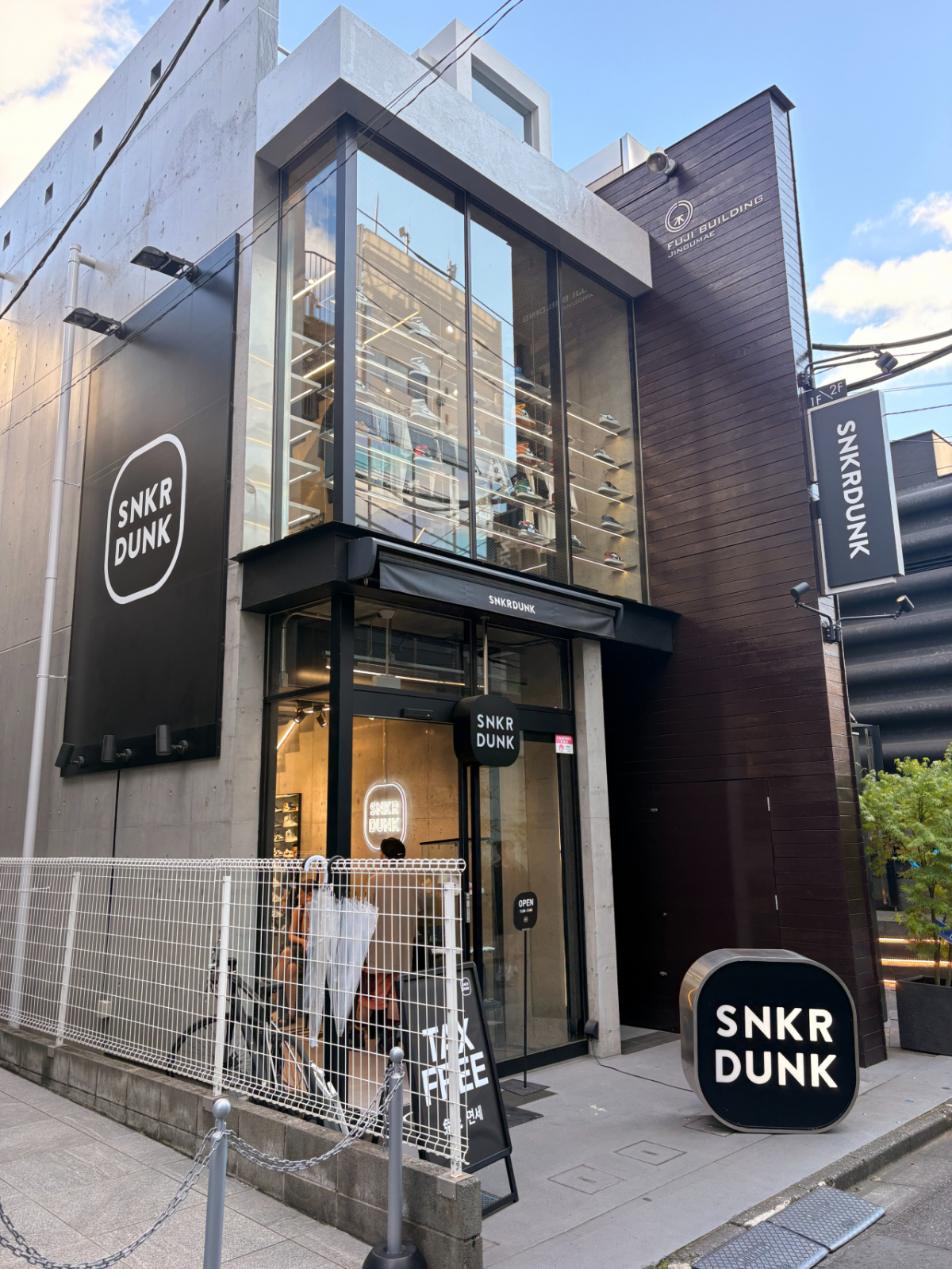
Based on Naver’s investment, KREAM is expanding its business areas to secure more diverse data. Aiming to build a global C2C portfolio from the early days, it has completed a global C2C belt connecting North America, Asia, and Europe. It sequentially acquired Soda, the operator of Japan’s largest limited-edition trading platform SNDK in 2023; Poshmark, a representative North American fashion C2C platform; and Wallapop, Spain’s No. 1 C2C platform last year. In addition, it is working to expand its business areas by launching its own brand "Acryl" and through food and beverage collaboration projects.
A KREAM official said, "We plan to enter various business fields in the future, not only C2C but also B2C and D2C."

 in TECH

