

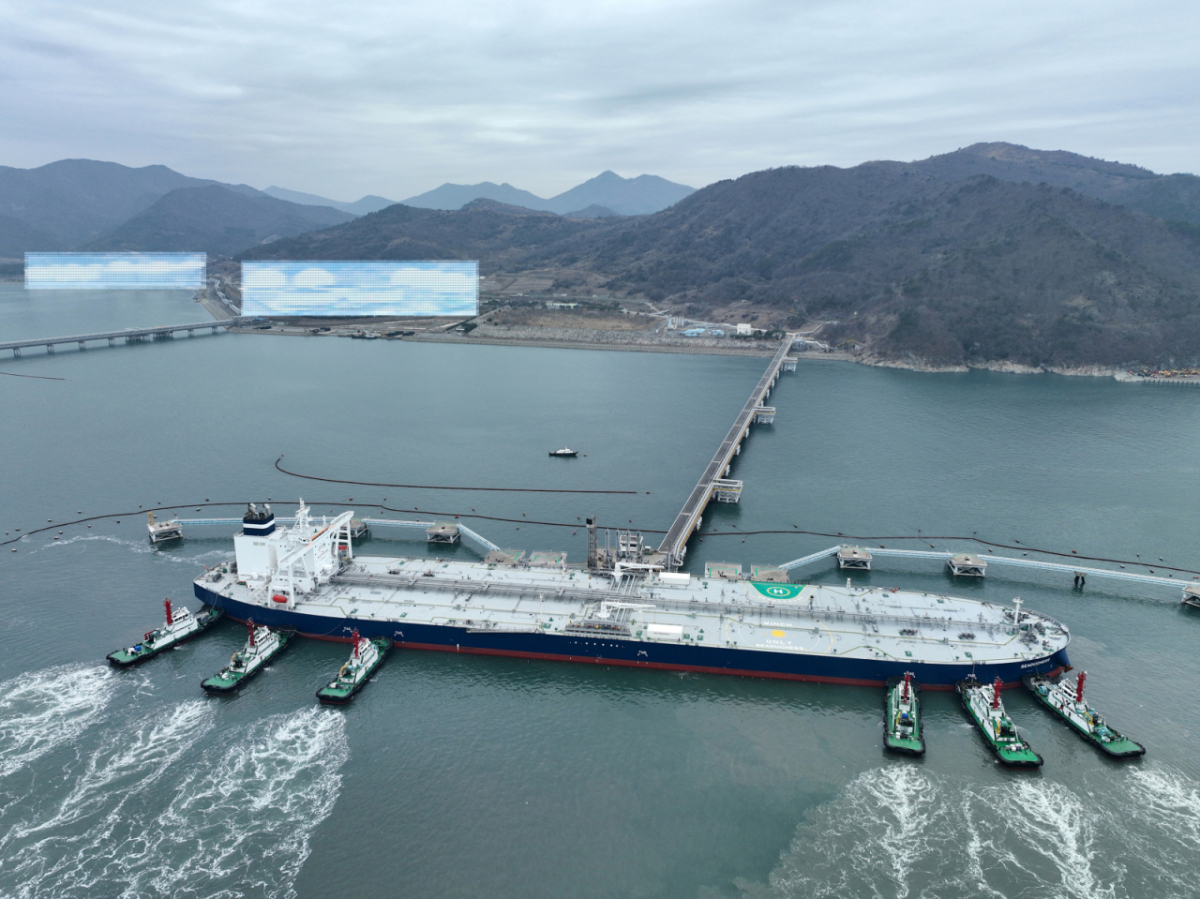
The government is pushing to lower dependence on crude oil from specific regions to below 50% by 2035 through diversification of crude oil imports. In preparation for energy security crises such as the Middle East war, it plans to expand reserve facilities by an additional 20 million barrels and also increase the scope and duration of reserves for key minerals such as rare earth elements.
The Ministry of Trade, Industry and Energy announced on the 23rd that it held the sixth Resource Security Council meeting and deliberated and finalized four agenda items related to the medium- and long-term roadmap for resource security.
The four agenda items are: (1) The First Basic Plan for Resource Security (2026–2035), (2) Adjustment plan for the Fifth Oil Reserve Plan (2026–2030), (3) Designation plan for key minerals, and (4) The First Key Mineral Reserve Plan (2026–2035).
The First Basic Plan for Resource Security is the first government-wide medium- and long-term resource security plan established since the Special Act on National Resource Security was implemented in February last year. With the Middle East war highlighting the need to diversify energy supply chains, the plan sets as its goal "reducing dependence on crude oil from specific regions to below 50% by 2035."
Until now, Korea's dependence on Middle Eastern crude oil had approached 70%, causing significant difficulties in crude oil supply and demand due to energy supply chain crises triggered by the Middle East war. Accordingly, the government plans to establish a stable import structure by diversifying the import routes, methods, and types of crude oil and natural gas.
A new Resource Security Fund will be established to create a stable investment base, and cooperation with major resource-holding countries and a cross-government crisis response system will also be strengthened. The plan is to expand the foundation for resource security to enable proactive preparation for crises.
The Fifth Oil Reserve Plan, finalized at the end of last year, has been adjusted through this revision to include plans to expand reserve facilities to 20 million barrels by 2030. There had been no expansion of reserve facilities since the Fourth Oil Reserve Plan (2014–2025), but uncertainties in maritime transport routes and geopolitical crises were taken into account and reflected in the adjustment plan.
The government plans to utilize the expanded reserve facilities to increase the volume of joint international reserves with oil-producing countries alongside domestic reserves. Considering the linkage with the petrochemical industry, it also plans to additionally secure condensate (ultra-light crude) to support stable domestic production of naphtha in emergencies.
In the Key Mineral Designation Plan, the number of designated key minerals was expanded from 38 to 51 types. The 13 newly selected types include 10 rare earth elements, fluorite, phosphorus, and germanium. Once designated as key minerals, support for reserves and production infrastructure will be provided at the national level.
The First Key Mineral Reserve Plan stipulates reserve items, target volumes, and operational methods. The number of reserve items was expanded from 24 to 29 types by reflecting additional designations of key minerals. The reserve target period for supply chain-vulnerable mineral types was raised from the previous 180 days to a maximum of 365 days.
Additionally, the concept of "Total National Available Inventory," which includes privately held stocks and raw materials for recycling, has been introduced to comprehensively assess the scale of available inventory that can be supplied to domestic industries and enable effective responses to supply-demand crises.
Kim Jeong-kwan, Minister of Trade, Industry and Energy, stated, "The newly established 'Basic Plan for Resource Security' is a long-term roadmap aimed at fundamentally improving the structure of our resource supply chains, moving beyond short-term and reactive measures taken during each crisis," and added, "We will consistently pursue resource security issues from a long-term perspective."

 in ECONOMY
