

[For more diverse corporate information on the startups mentioned in this article, please visit the Unicorn Factory big data platform 'Data Lab'.]
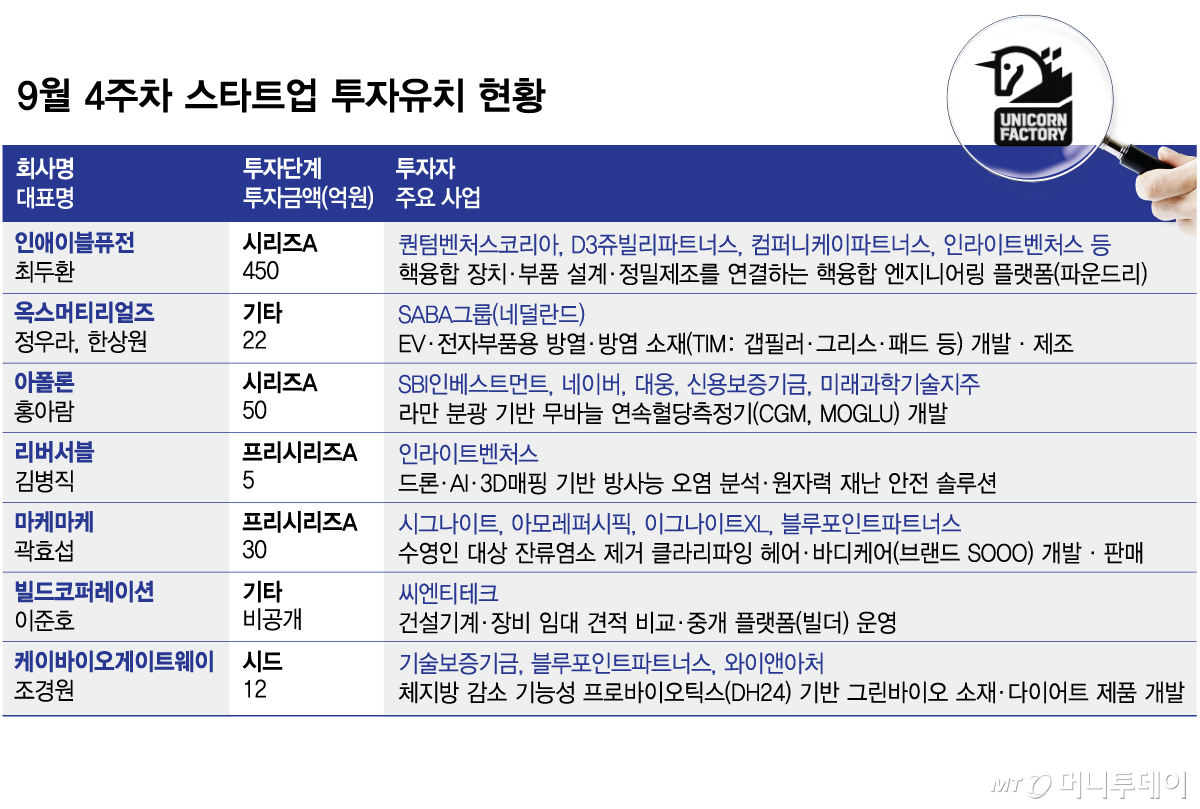
A total of seven startups announced their investment rounds during the fourth week of September (21st–27th). As the investment market took a breather ahead of the Chuseok holiday, venture capital poured into sectors linked to increased consumer spending, such as health and beauty.
This week's largest investment recipient was Inable Fusion. The platform (foundry) company designs components for fusion devices and secured Series A funding worth 45 billion won from Quantum Ventures Korea and D3 Jubilee Partners, among others. It was founded by nuclear fusion expert Lee Gyeong-su (Chairman), who led the development of 'KSTAR', known as Korea's artificial sun, and served as Deputy Secretary-General of the International Thermonuclear Experimental Reactor (ITER).
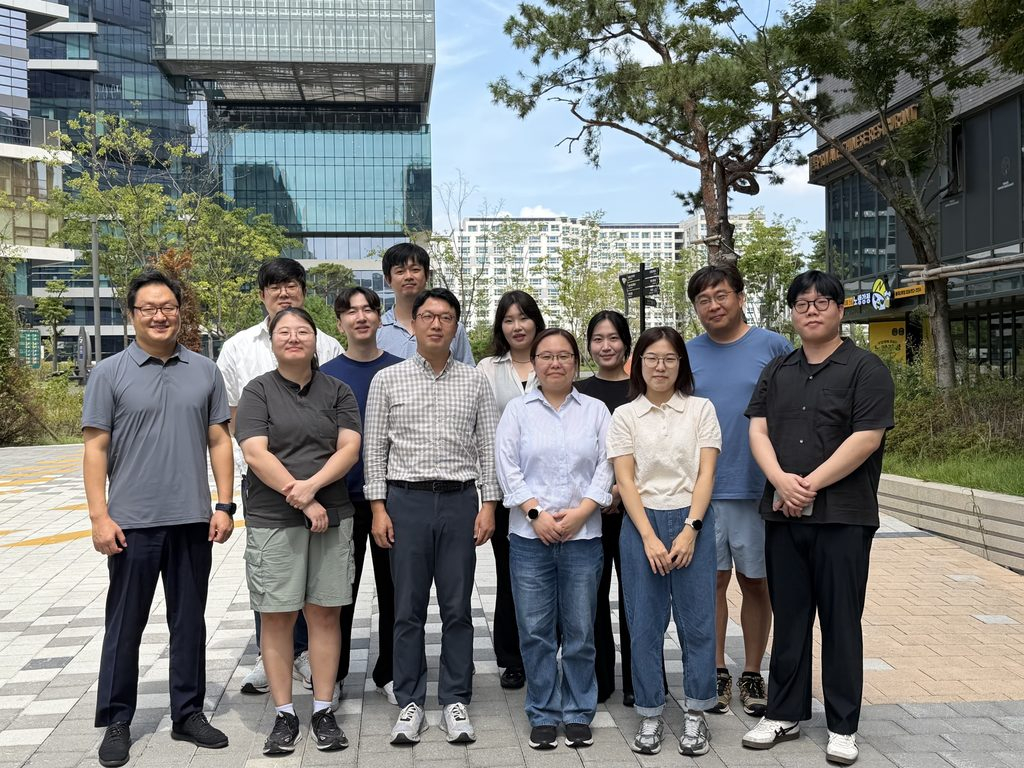
Initial venture capital investments totaling less than 10 billion won were concentrated on startups targeting health and beauty, including blood glucose monitoring, body fat analysis, skin care, and hair care.
Apollo, a developer of non-invasive continuous glucose monitors (CGM), secured Series A funding worth 50 thousand won. SBI Investment led the round, with participation from Credit Guarantee Fund and Future Science & Technology Holdings. Naver and domestic distribution partner Daewoong joined as strategic investors (SI). Apollo stated that including this investment and government research and development (R&D) grants, it has secured a cumulative total of over 10 billion won.
Apollo's CGM 'MOGLU', currently under development, is based on Raman spectroscopy technology, which analyzes material properties using light. It measures blood sugar by analyzing signals from glucose without piercing the skin. The company explained that it reduced the number of optical components while maintaining measurement sensitivity, shrinking the device size to about half that of a smartphone. The related technology was published in an international academic journal after undergoing joint clinical trials with the Laser Biomedical Research Center at Massachusetts Institute of Technology (MIT) in the United States.
The investment funds will be used for clinical feasibility studies on diabetic patients conducted at Joslin Diabetes Center, affiliated with Harvard Medical School in the U.S., and for pre-consultation prior to submitting a 'De Novo' application for new medical device approval with the U.S. Food and Drug Administration (FDA).
Hong Ah-ram, CEO of Apollo, said, "It seems that our technology, which has already been validated through clinical trials, patents, and global partnerships in the U.S., has led to domestic investment." He added, "We will conclude clinical trials at Joslin Diabetes Center and pre-consultations with the FDA to prove our success in the U.S. market."
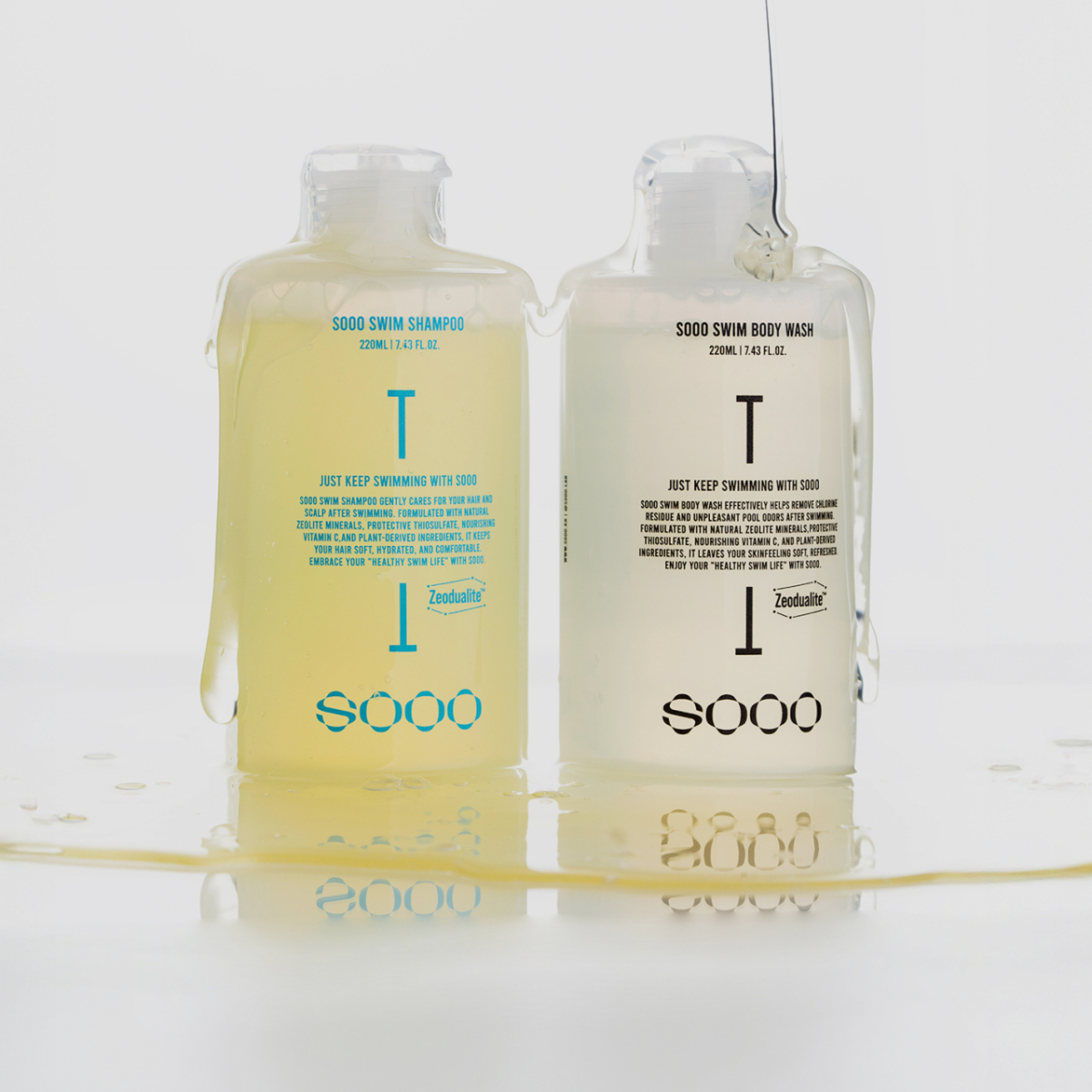
MakeMake, which operates the beauty tech brand 'SOOO', secured Pre-Series A funding worth 3 billion won. Signate, Amorepacific, and IgniteXL joined as new investors, while Bluepoint Partners, which invested at the seed stage, also participated in this follow-on round. The corporate valuation was not disclosed.
MakeMake is a startup that uses technology to solve hair and skin problems caused by water. Inspired by discomfort from residual chlorine after swimming, it launched the swim care brand 'SOOO'. Based on its own water quality response technology and patented materials, it is expanding its application scope to various water environments such as hard water and metal ions, and recently introduced a scalp care LINE called 'Scalpture'.
The company is also expanding its overseas business. It exported 50,000 units of products to the South American market for the first time this year and signed a distribution agreement with global beauty distributor Siliconto. The investment funds will be used to enhance core materials and product technologies and to enter overseas markets such as North America. The plan is to expand technologies acquired from swim care into scalp and hair care, as well as beauty tech devices.
Kwak Hyo-seop Ma Ke-ma-ke (CEO) explained that the significance of this investment lies not only in securing funds but also in acquiring strategic partners who will grow globally together. The company plans to leverage the industry expertise and networks of its investors to grow into a global beauty tech company.
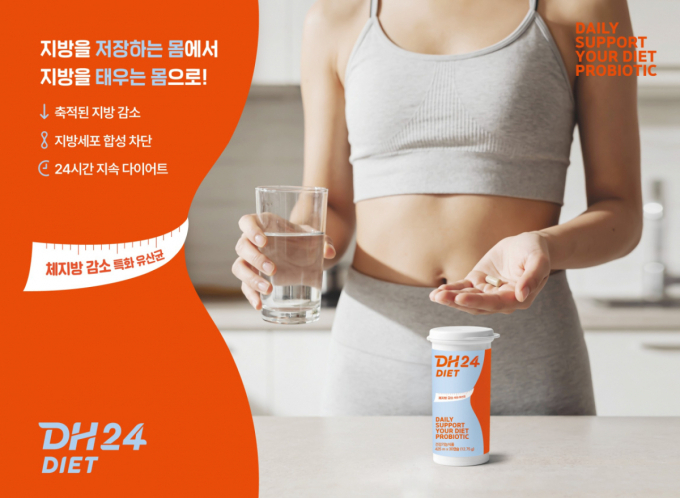
Bio-functional material startup K-Bio Gateway secured seed funding worth 1.2 billion won. The Technology Guarantee Fund led the investment, with participation from Bluepoint Partners and W&Archer, among others.
Established in February last year, K-Bio Gateway develops functional foods and cosmetic materials based on its own patented strain 'DH24'. It was founded by Jo Gyeong-won (CEO), who participated in the development and commercialization of Chungjungone's 'Lactofit'. The company was selected for TIPS (Technology Innovation Program Support) within one year of establishment and has secured a cumulative total of 2.4 billion won, including government support programs.
DH24 is a strain specifically targeted at fat reduction rather than general gut health. The company explained that animal experiments confirmed the potential for weight loss and improvement in inflammation-related indicators, and scale-up for mass production has also been completed. Starting from October, it plans to conduct human application tests of live bacterial products for about one year, aiming for a launch around November next year.
Before clinical trials, the company plans to enter the market with dead bacterial products. Dead bacteria inactivated by heat treatment are relatively resistant to temperature changes, reducing the burden of cold chain logistics. The company is considering launching DH24-based jelly products as early as the end of this year or early next year. Building on this, it also plans to target overseas markets such as the Middle East, where obesity rates are high.
Moon Soobin, Senior Reviewer at Bluepoint Partners, cited Jo (CEO)'s experience across the entire value chain of probiotic products—from research to clinical trials, production, and sales—as a key reason for the investment. The company was highly evaluated for its ability to connect materials to actual products and business operations beyond just research and development.
[MoneyToday startup media platform Unicorn Factory]

 in FUTURE


