

It is projected that hydrogen can play a significant role in ensuring the success of the government's three mega-projects—semiconductors, physical AI (artificial intelligence), and AI data centers—which require stable large-scale power supply. In this process, there is a strong suggestion to actively utilize HESS (Hydrogen Energy Storage System), a long-duration, large-capacity energy storage technology based on hydrogen.
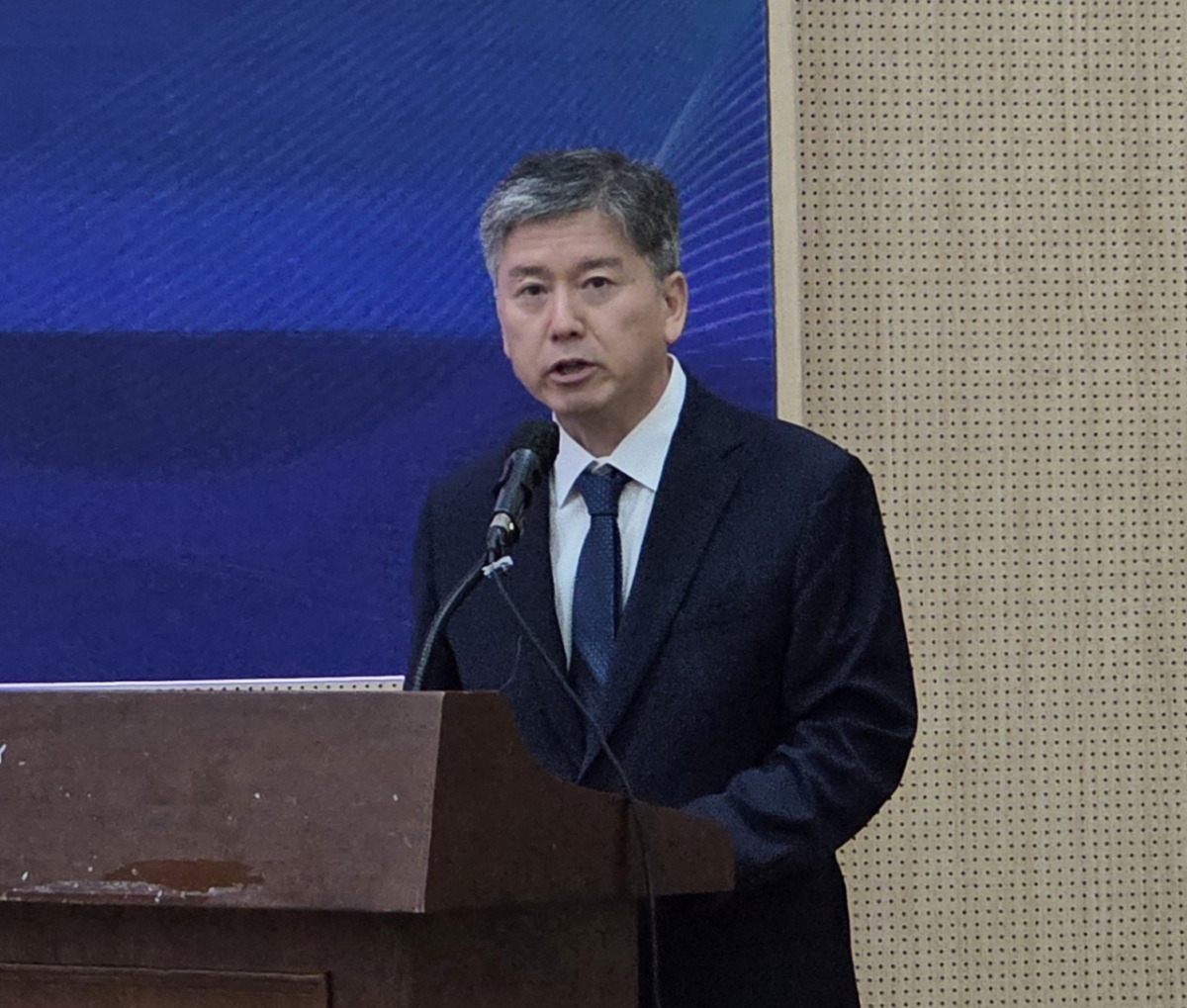
Park Eun-deok, president of the Korean Energy Society, stated at the 'Joint Policy Forum of Representative Societies for Energy, Electricity, and Hydrogen' held on the 13th at the Science and Technology Convention Center in Yeoksam-dong, Seoul, that "the importance of hydrogen is emerging as a means to address the seasonal variability of renewable energy in power supply for the three mega-projects."
Operating semiconductor factories and AI data centers requires stable power supply. However, renewable energy generation fluctuates significantly depending on seasons, weather, and time of day, presenting limitations. To resolve these issues, a "complementary system" is needed—one that produces hydrogen from surplus electricity for long-term storage and converts it back to electricity when required.
Park (Chairman) stated, "While lithium-ion batteries can be used for electricity storage, hydrogen must serve as an alternative for long-term storage." Unlike conventional batteries that discharge over time, hydrogen offers the advantage of being stored for extended periods in tanks in gaseous or liquid form.
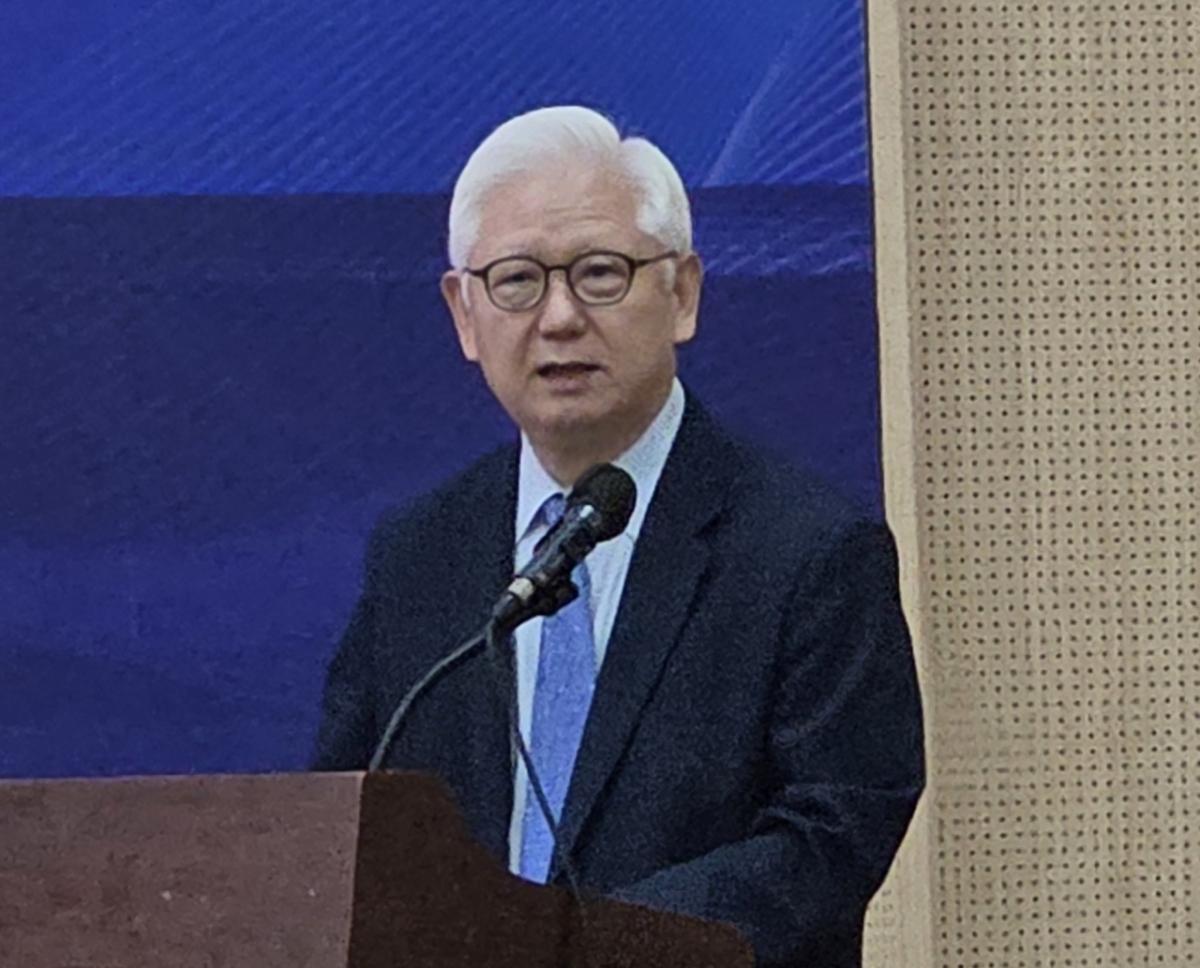
Lee Gwan-young also emphasized on this day that "large-capacity, ultra-long-duration storage solutions are necessary to address power supply-demand imbalances occurring on daily or seasonal scales due to the expansion of renewable energy." He proposed comparing and analyzing the technical and economic characteristics of existing storage methods like batteries with hydrogen-based systems such as HESS to identify suitable roles and business models. In particular, he stressed that HESS should be actively considered for utilization as Non-Wire Alternatives (NWA), which refers to increasing power grid capacity without reinforcing traditional facilities like substations.
Kim Jae-hong, president of the Korean Hydrogen Association, also remarked in his opening address that "the government aims to restructure the national power system by establishing an energy mix strategy that includes expanding renewable energy, increasing nuclear power capacity, and utilizing diverse power sources." He added, "In this environment, expectations are growing that hydrogen can become a key solution for complementing the power system." He further highlighted that "hydrogen is an essential resource capable of realizing power grid stability and energy security by compensating for the intermittency of renewable energy and enabling long-term storage and transportation of surplus electricity."
Meanwhile, during the panel discussion following the keynote presentations, it was analyzed that hydrogen will play a core role in Hyundai Motor Group's 'Saemangeum AI Valley' project, which involves an investment of 9 trillion won. Shin Seung-kyu, executive vice president of Hyundai Motor, stated, "Major countries such as the United States, Germany, and Japan are already advancing projects that link hydrogen production, storage, and utilization." He predicted, "Countries and companies that succeed in initial demonstrations will monopolize the market." He further expressed confidence by saying, "The demonstration results and track records secured at Saemangeum will serve as a foundation for domestic suppliers to expand overseas. The first successful case will become a global trust indicator for the entire domestic industrial ecosystem, leading to a first-mover advantage in the market."

 in INDUSTRY

