

Renewable energy industry insiders Yoo Reop-eul (CEO) assessed that while Korea's wind power industry is still in its early stages, it has "high potential." This is because numerous companies equipped with the technological capabilities to produce wind power equipment, such as shipbuilding and steel, are present, and electricity demand is also considerable.
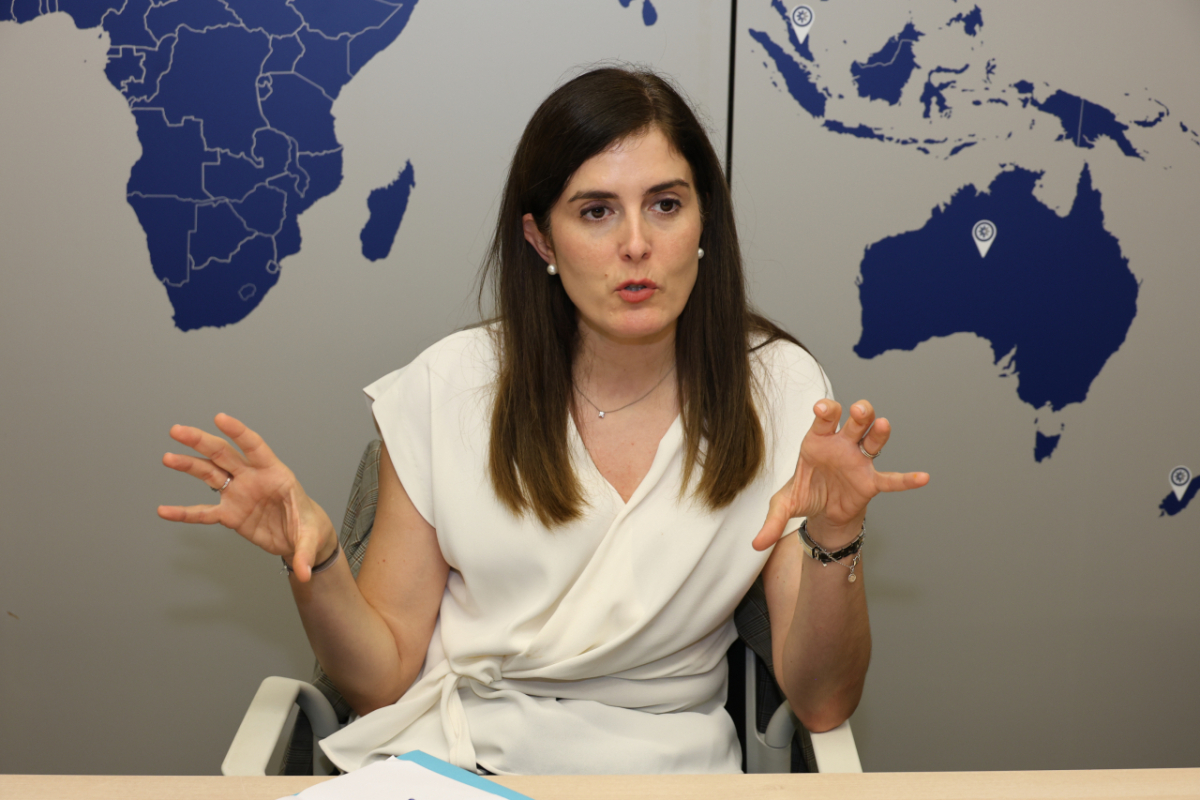
Begoña Díaz González, Head of Overseas Business at Iberdrola, met at the Basque Trade and Investment Promotion Agency located in Bilbao, the central city of the Basque region in northern Spain, on the 30th of last month (local time), stated, "There are many companies with competitiveness in related industries such as offshore wind power substructures and electrical equipment in Korea," expressing interest by calling it a "very attractive market." Iberdrola, a global energy company based in the Basque region, currently has total assets exceeding 165 billion euros (approximately 252 trillion won), with installed generation capacity worldwide reaching approximately 60 GW (gigawatts). In particular, by investing early in renewable energy, it has established itself as a leading company in this market.
Iberdrola, whose overseas business accounts for about 70% of the total, cited "business predictability" as a key condition for wind power growth. It pointed out that institutional uncertainty was also behind the fact that Iberdrola previously considered entering the Korean wind power market in partnership with GS Energy in 2021 but abandoned the plan. Head González stated, "At the time, it was difficult to predict the schedule and duration required for onshore wind projects in Korea, while offshore wind markets were not sufficiently mature and the regulatory framework was unstable," adding, "Power Purchase Agreements (PPAs) signed with the government also lacked clarity." This means that as they were pursuing entry into various countries in Asia-Pacific, including Japan and Australia, they focused their resources on countries with more favorable conditions.
However, he said interest in the Korean market has not disappeared. He explained that while it is difficult to immediately enter Korea due to increased uncertainty surrounding renewable energy businesses, such as renewed attention to coal-fired power generation centered on the United States, and unfavorable global economic conditions including high interest rates, they can reconsider entry once the macroeconomy stabilizes. Head González said, "While not as a developer, we continue to maintain relationships with wind-related product suppliers," adding, "We are continuing to watch closely, particularly in the offshore wind sector."
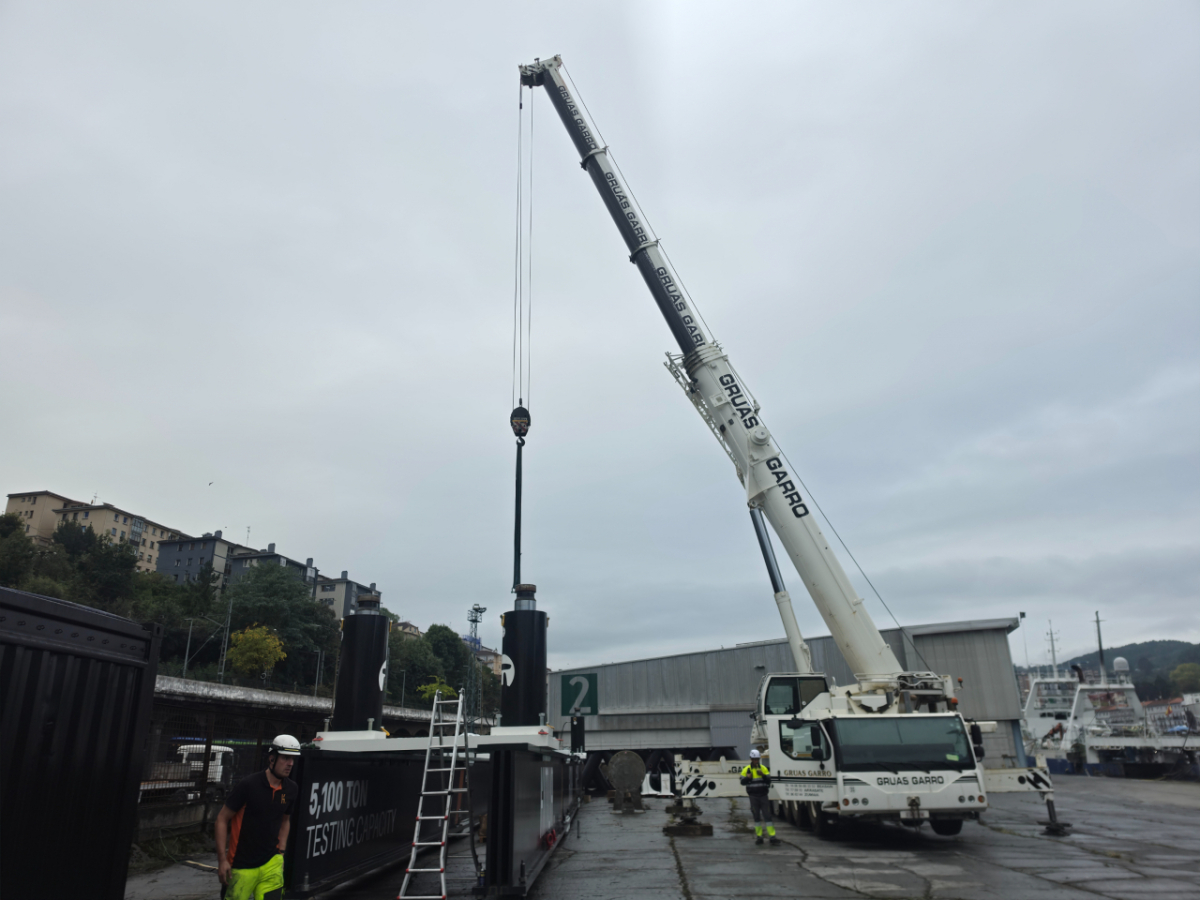
Nagore Boniaga Gabarín, Director of the Basque Trade and Investment Promotion Agency, which supports overseas expansion of Basque companies, also stated, "Korea has deep waters necessary for offshore wind power and possesses world-class industrial scale and capabilities in shipyards, steel, and large construction companies," conveying that interest in Korea's wind power industry is considerable not only at the level of the Basque regional government but also among local companies. He emphasized, "Korea can provide large-scale industrial capabilities, while Basque companies can provide specialized technology, allowing for cooperation," adding, "The Korean industry is a priority and strategic partner for us."
Five areas where both sides can generate synergy were identified: △floating offshore wind power △high-value-added components such as hydraulic systems and blades △marine structure engineering △wind farm monitoring and digitalization △operation and maintenance (O&M). Na Go-re (Commissioner) stated, "Especially in the current situation where the geopolitical environment is very chaotic, it is important to build closer relationships with multiple countries and regions that share common values," predicting, "I believe Korean and Basque companies can combine their capabilities to enter third-country markets together."
The Korean government is also taking steps to improve regulations for expanding wind power generation. It enacted the Offshore Wind Power Special Act to unify licensing windows, and abolished the obligation to submit at least one year of actual wind measurement data required when applying for onshore wind power generation business permits. With electricity demand expected to increase significantly in the future due to the creation of semiconductor clusters in the Honam region, the importance of energy transition centered on renewable energy is also growing.
Head González suggested that government support is necessary to establish the initial market. He advised, "If the renewable energy market has just begun to form (like Korea) and the market has not yet fully settled, subsidies are needed to support developers in making investments," adding, "It is important to enable not only capital inflowing from overseas but also domestic capital within that country to invest in renewable energy technology through this."

 in INDUSTRY

