

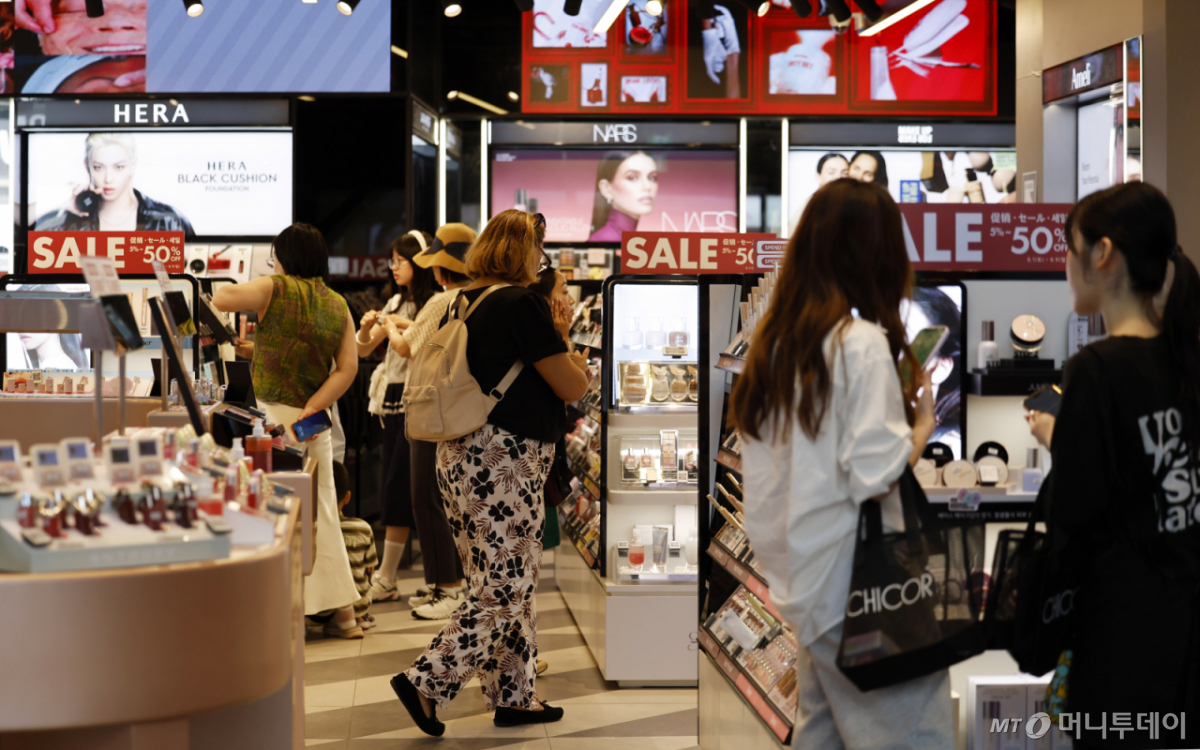
Chinese e-commerce (C-commerce) and Chinese beauty brands (C-beauty) are quickly adopting the growth model of K-beauty, expanding their influence in the domestic market. C-commerce is shifting from merely selling Chinese-made goods domestically to securing Korean products for distribution overseas. Meanwhile, C-beauty is leveraging Korean manufacturing technology to enhance product quality and design, enabling entry into global markets.
According to the retail industry on the 23rd, JD.com, China’s largest e-commerce company, has recently established a dedicated subsidiary for purchasing Korean goods and is expanding transactions with domestic consumer goods companies. This structure involves directly sourcing products from Korean firms and selling them through its own platform, simplifying the previous process that relied on Chinese vendors or agents.
Actual contracts are also being finalized. On the 12th, JD.com held an onboarding briefing attended by over 200 domestic consumer goods companies, signing import agreements worth $1.5 million with nine firms, including E-Land Group and Hyundai Home Shopping, to be completed within the year.
AliExpress is also expanding overseas sales of Korean products. Through its global selling program, it supports K-Boutique sellers in offering products not only in Korea but also in international markets. Temu is similarly expanding its local seller base to secure domestic goods.
The strategic shift in C-commerce can be seen as an effort to move beyond supplying Chinese domestic consumption and instead integrate Korean products into global distribution networks. Especially amid the continued popularity of K-culture, this strategy is interpreted as leveraging Korean consumer goods such as K-beauty and K-fashion as new growth drivers.
C-beauty is also rapidly adopting strategies used by K-beauty during its growth phase. This includes recruiting Korean research personnel and collaborating with domestic cosmetic ODM (Original Design Manufacturer) companies to enhance product quality. It simultaneously pursues strategies such as rapid product development, eye-catching packaging design, and targeting young consumers through SNS makeup content.
Notably, C-beauty’s growth is particularly evident in the color cosmetics sector. Last year, China’s exports of basic and color cosmetics ranked sixth globally, rising two positions from eighth place in 2020 within five years. Color cosmetics require localization due to differences in skin tones, makeup cultures, climates, and usage habits across countries.
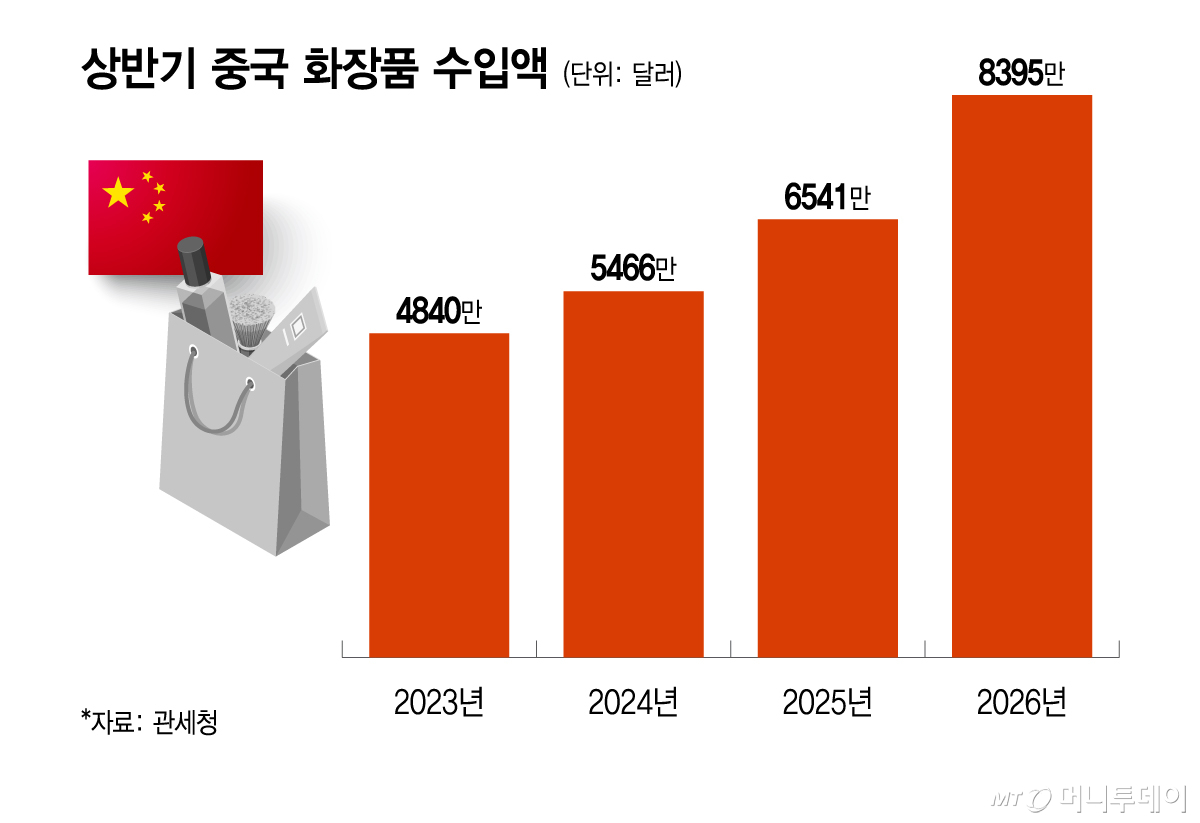
Domestically, more consumers are seeking C-beauty products. According to the Korea Customs Service, China’s cosmetics imports (including skincare and makeup) from January to June this year totaled $83.95 million, a 28.3% increase compared to the same period last year. The full-year import value last year reached $146.38 million, up 29% year-on-year. In terms of Korean won conversion, imports exceeded 200 billion won for the first time.
Industry analysts note that C-beauty’s growth model is increasingly resembling that of K-beauty. Just as K-beauty expanded its global market by securing product quality centered on skincare and combining ODM ecosystems, content, and localization strategies, C-beauty is rapidly strengthening product development, design, and SNS marketing.
An industry official stated, “Chinese companies are quickly improving their product quality and design compared to the past, especially in color cosmetics where competitiveness has significantly increased.” They added, “K-beauty must maintain its existing skincare competitiveness while also reinforcing differentiation in color cosmetics and design, along with localization strategies that reflect consumer preferences by country, to sustain its global market competitiveness.”

 in LIVING

