


The five-week period from August 31 to September 4, selected by MoneyToday's securities department as the best reports for August, includes three items: △Yu-jin Jeon, Research Analyst at iM Securities, "SK On, NeoVolta ESS (Energy Storage System) Order Comment" (SK Innovation) △Min-ki Jung, Research Analyst at Samsung Securities, "Update on Corporate Valuation Enhancement Plan – Proposal of Capital Policy Framework" (DB Insurance) △Gwan-soon Choi, Research Analyst at SK Securities, "Stocks Worth Watching" (Lotte Holdings).
![[Seoul=NEWSIS] Reporter Jo Su-jeong = Cho Hyung-wook, CEO of SK Noh Be-i-syeon (President), arrived at the Seoul Jongno-gu Government Office building on the afternoon of the 14th to meet with Bill Gates (left), co-founder of Microsoft (MS), and other leaders of the Rafah Tower. On this day, Rafah Tower and SK Innovation will sign contracts including commercialization of small modular reactors (SMR) prepared by Rafah Tower. August 14, 2026. chocrystal@newsis.com /Photo=Jo Su-jeong](https://thumb.mt.co.kr/cdn-cgi/image/f=avif/21/2026/09/2026090610062125712_2.jpg)
Yu-jin Jeon, Research Analyst at iM Securities, maintained SK Innovation's target price of 190,000 won and its investment recommendation of "Buy." This analysis notes that subsidiary SK On has taken its first step into the U.S. ESS market.
The following is a summary of the report. ()
☞"View Original Text" is available only on the MoneyToday website, not on portal sites such as Naver or Daum.
SK On announced on August 31 that it signed an LFP (lithium iron phosphate)-based ESS supply contract with U.S. ESS company NeoVolta totaling 9GWh (gigawatt-hours). The products will be manufactured at SK On's Georgia plant in the United States and supplied over five years from 2027 to 2031. The contract size is estimated to be around 1.5 trillion won.
SK Innovation had previously indicated that it would gradually convert its subsidiary SK On's existing facilities for ESS production and set this year's order guidance (target) at 20GWh. With only about four months remaining in the year, no new orders were detected, raising concerns about reliability; however, this contract has fulfilled 45% of the target.
Considering an additional 9GWh volume planned for signing within the year, it is virtually certain that most of the target will be met. The additional volume involves a structure where SK On purchases finished products assembled into packs and sells them directly, as SK On does not possess cell production facilities, pack assembly lines, or system integration equipment. While this contract may fall short of alleviating concerns and dissatisfaction regarding support for SK On and SK IITech, it is encouraging in that it marks the first step toward entering the U.S. ESS market.
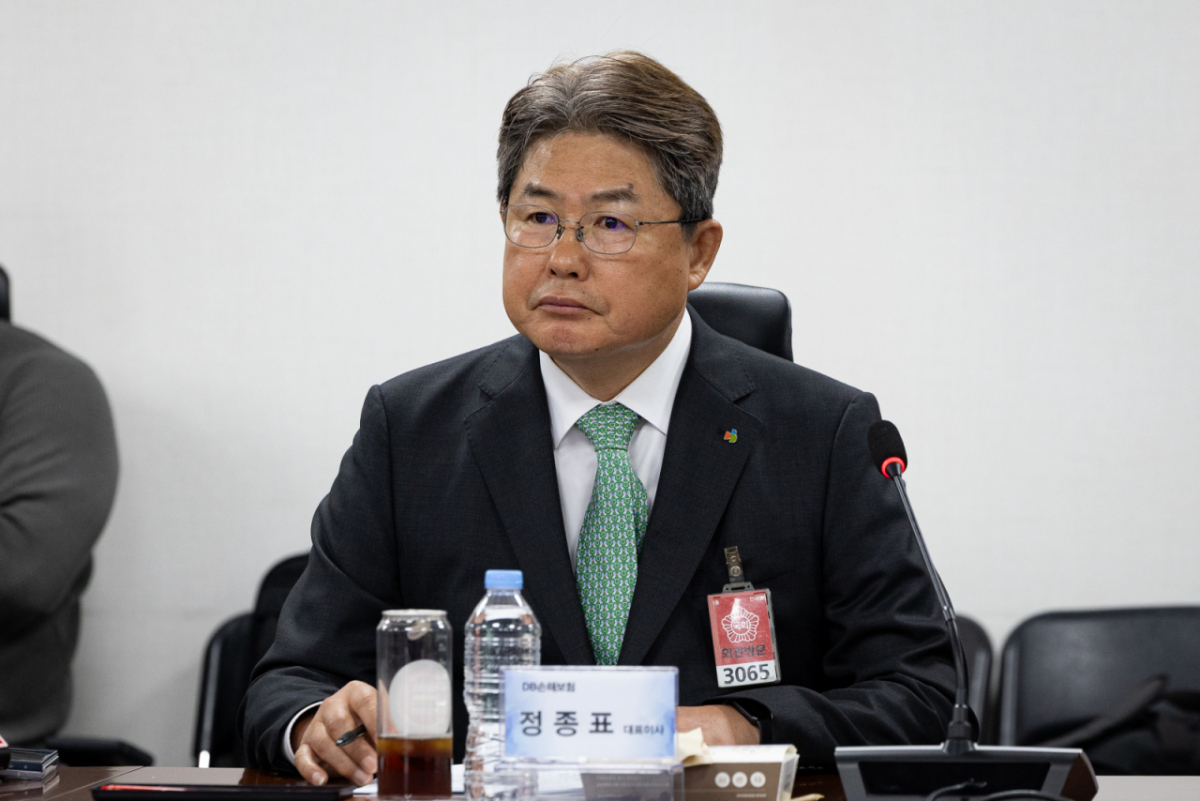
Min-ki Jung, Research Analyst at Samsung Securities, raised DB Insurance's target price to 250,000 won, an increase of 30,000 won (13.6%) from the previous level, and maintained its investment recommendation of "Buy." This reflects the capital policy framework presented in the corporate valuation enhancement plan.
The following is a summary of the report. ()
☞"View Original Text" is available only on the MoneyToday website, not on portal sites such as Naver or Daum.
Through the corporate valuation enhancement plan, the shareholder return rate target was set at 40% for consolidated financial statements and 50% for separate financial statements by 2030. Compared to the previous target of 35% for separate financial statements in 2028, the timeline was delayed by two years, but the level was raised by 15 percentage points, and the consolidated target was specified for the first time. An annual DPS (dividend per share) growth rate of at least 10% was also set as a goal.
The essence of this plan is the introduction of DCR (Dividend Coverage Ratio), which is calculated by dividing distributable profit by expected dividends. A transition period will be established using two axes: K-ICS (Korean Insurance Capital Standard) and DCR. If both K-ICS 220% and DCR 400% are exceeded simultaneously, additional returns will be considered; if K-ICS falls below 150% or DCR drops below 100%, the return level will be adjusted. A safety floor (K-ICS 180% and DCR 200%) will be set separately for proactive management. This is judged to be the first case where a domestic insurer has formalized the gap between accounting profits and dividend funding caused by the introduction of IFRS17 (new international accounting standards) into quantitative indicators.
Dividend funding itself is sufficient. Distributable profit was 1.8 trillion won at the end of last year and 2.6 trillion won at the end of the first half of this year, resulting in a DCR of approximately 470% compared to the estimated total dividend amount for this year of 545.8 billion won. However, given that changes in net asset value due to interest rate volatility and regulatory impacts such as surrender reserve requirements still exist, managing future volatility will be key to predicting shareholder returns.
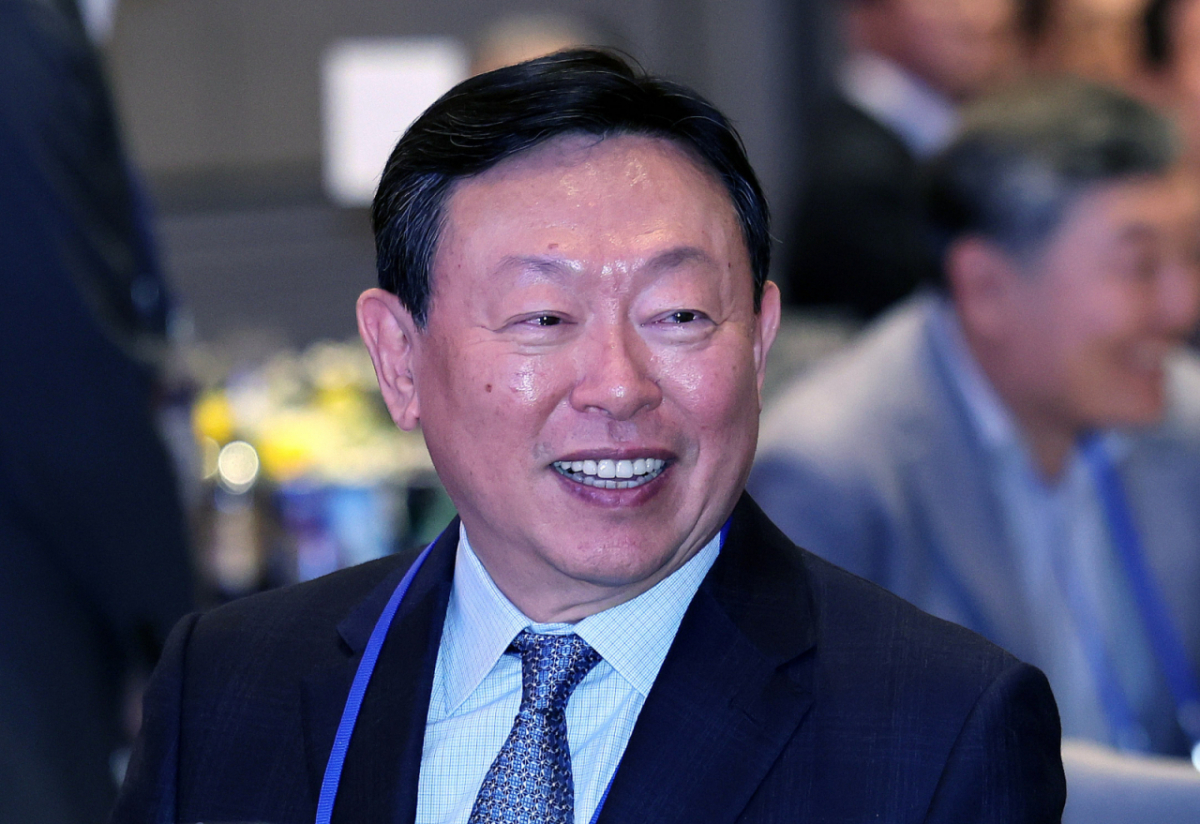
Gwan-soon Choi, Research Analyst at SK Securities, maintained Lotte Holdings' target price of 33,000 won and its investment recommendation of "Buy." This analysis notes that the high dividend yield is supporting the stock price from downside risks, while profitability improvements at the group level are becoming visible.
The following is a summary of the report. ()
☞"View Original Text" is available only on the MoneyToday website, not on portal sites such as Naver or Daum.
Lotte Wellness Food, which grew in its overseas segment, drove performance improvements in the food sector, and profitability improvements were confirmed in equity-method subsidiaries such as Lotte Chemical. In particular, Korea 7-Eleven successfully turned profitable for the first time in 11 quarters since the third quarter of 2023 by closing low-profit stores and relocating to prime locations. The biotechnology sector saw a decline in sales due to regular shutdowns at the Syracuse campus in the United States and facility upgrades, but with orders resuming and the completion of the Songdo campus, it is expected that sales of 1 trillion won and an operating profit margin of 20–30% will be achievable by 2030.
A shareholder return policy of at least 35%, combining dividends and treasury stock retirement relative to separate net income, is in place. Cash dividends per share are expected to remain unchanged at 1,250 won from the previous year, with a dividend yield of approximately 5.2%. Treasury stock holdings stand at 23.7%. As of the second quarter, separate net borrowings amount to 3.5 trillion won, indicating a need for financial structure improvement; thus, partial disposal of treasury stock to improve the financial structure and secure investment funds is also being considered. Both retirement and disposal will serve as opportunities to highlight the value of held treasury stock.
The current stock price reflects a discount rate of 29.5% against NAV (net asset value), exceeding the average of 21.1% since 2024, while PBR (price-to-book ratio) stands at 0.3 times, limiting additional downside risk for the stock price.

 in STOCK


