

[For more diverse corporate information on startups, you can view it at the Unicorn Factory big data platform 'Data Lab'.]
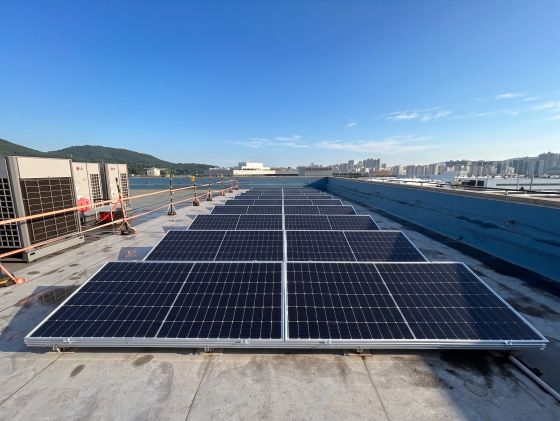
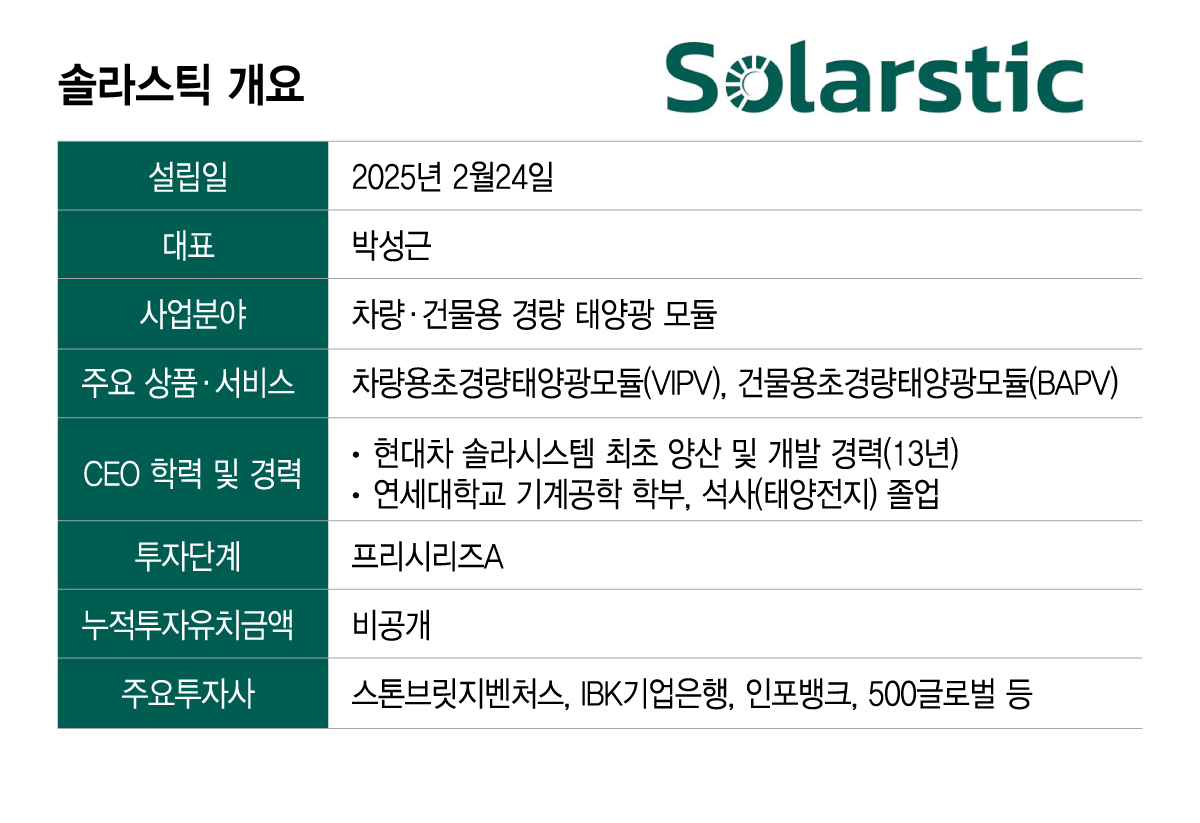
Solastic, which developed 'lightweight solar power' technology capable of being installed on curved car surfaces and aging buildings that are vulnerable to loads—installations that were difficult with existing heavy and flat solar panels—recently secured 3 billion won in pre-Series A funding from Stonebridge Ventures and IBK Industrial Bank of Korea.
Solastic, which originated as an internal venture within Hyundai Motor Group, announced on the 15th that it plans to use the secured funds for the launch of its building-attached solar power (BAPV) products and the establishment of a vehicle-integrated solar power (VIPV) Yangsan base.
Investors cited the structural growth potential of the solar market as the primary background for this investment. Solar power, once considered an energy resource only from an eco-friendly and ESG (environmental, social, and governance) perspective, has recently established itself as an economically viable power source due to a significant drop in generation costs. Additionally, the rapidly increasing demand for electricity at industrial sites, such as the construction of AI (artificial intelligence) data centers, influenced the investment decision.
Lee Jong-hyun of StonebridgeJi Ben-cheo-seu (SVP) stated, "The price competitiveness of solar power has increased significantly based on the Levelized Cost of Electricity (LCOE)," and added, "As electricity demand increases in the future, the importance of energy independence and distributed generation will grow even more." LCOE refers to the 'average production cost per 1kWh of electricity,' calculated by dividing the total cost of a power plant producing electricity over its lifetime by the total amount of power generated.
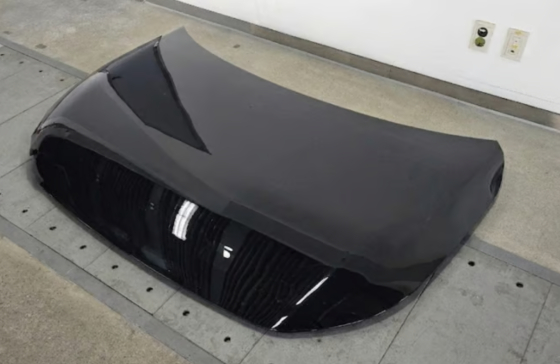
The possibility of 'solar power that can be attached anywhere' also became a key factor in this investment decision. Existing solar modules are made by laminating glass, making them heavy and mostly flat. Consequently, it is difficult to place them on aging buildings that cannot withstand the weight or thin roofs, and it is not easy to incorporate solar cells into vehicle exteriors without compromising design due to the many curved surfaces of cars. Solastic has secured technology that reduces module weight by using lightweight and flexible materials such as plastic instead of heavy glass, allowing for production tailored to various forms like car curves and building roofs.
Executive Director Lee stated, "Solastic's strength lies in its ability to flexibly apply solar cells to the curved surfaces of various mobile devices and equipment, including automobiles," and added, "In particular, verifying technology in harsh environments like automobiles is an investment point that allows for expanding application areas to drones, unmanned mobile bodies, and robots in the future." Directly attaching solar power to devices also offers the advantage of reducing the burden of separate generation sites or long-distance transmission.
Solastic CEO Park Seong-geun participated in relevant R&D (research and development) from the initial stage of developing the first-generation solar-powered car at Hyundai Motor. Executive Director Lee said, "The fact that Park (CEO) is one of the few experts who have experienced both the quality requirements and Yangsan processes demanded by the automotive industry also played an important role in the investment decision." Currently, Solastic is conducting four pre-development projects with domestic automakers and related companies.
Automotive parts are not a field where products can be supplied immediately just because they possess technology. It takes several years from development to performance and durability verification, and finally Yangsan application. However, once a Yangsan reference is secured, it acts as an entry barrier that latecomers find difficult to follow. Executive Director Lee emphasized, "Automobiles require a Yangsan verification process of at least three years, and up to five years or more," stating, "If Solastic passes this process and secures references for actual vehicle mounting, it will become a competitive advantage that other companies cannot easily catch up with in the short term."
Solastic's business strategy is divided into short-term and medium-to-long-term plans. The approach involves securing revenue first through building solar power, which has relatively faster commercialization, and cultivating vehicle solar power, which has a longer development period, as a medium-to-long-term growth driver.
Building products are currently undergoing the KS certification process. After certification, the company plans to focus on targeting aging factories and lightweight roof markets based on PoC (technology verification) conducted with large corporations. Executive Director Lee predicted, "As factory automation increases and AI robots are introduced into production lines, additional power demand will occur beyond existing facilities, so demand for self-generation facilities based on Solastic's technology will also grow in the future." Manager Byun Ye-seul of IBK Industrial Bank of Korea also positively evaluated that "Solastic can explore new markets targeting aging industrial facilities."
[MoneyToday startup media platform 'Unicorn Factory']

 in TECH


