

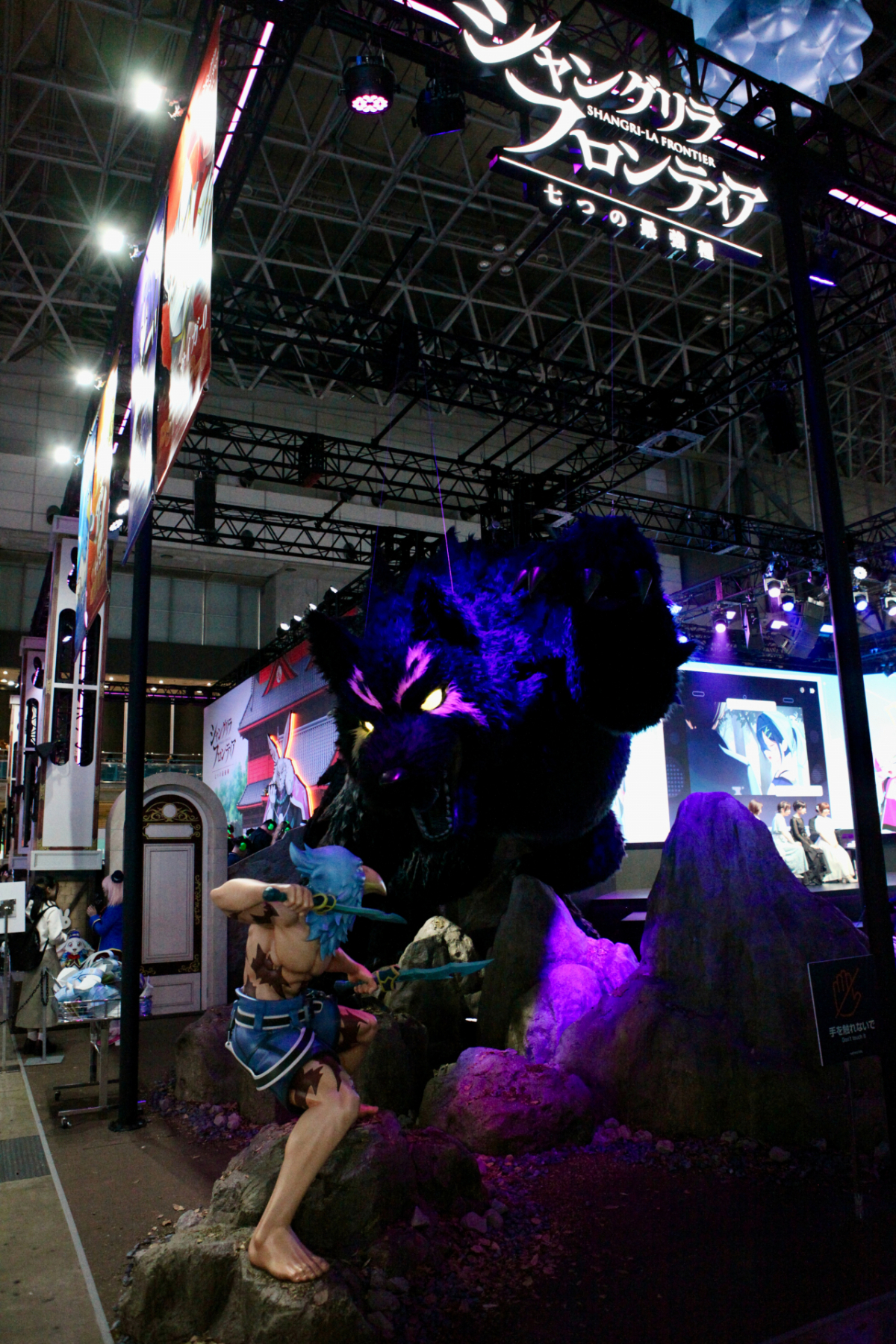
Kim Hyung-jin, head of Netmarble's business division, explained the reason for developing 'Shangrila Frontier: Seven Strongest Species' by stating, "This IP began as a web novel, expanded into comics, and grew further into an anime. We believed it should next become a game."
In an interview at TGS (Tokyo Game Show) 2026, Kim added, "What attracted us most to game-ifying this IP was that the original work tells the story of players who enjoy and strategize within games. Since the setting itself is a virtual game world, adapting it into a game naturally preserves the essence of the original work in a way that differs from other IPs."
Shangrila Frontier is the first game adaptation of a Japanese manga that has surpassed 17 million copies sold and 1 billion views cumulatively, garnering high expectations even within Japan. Netmarble is showcasing Shangrila Frontier at TGS (Tokyo Game Show) 2026 to demonstrate its game builds to local gamers.
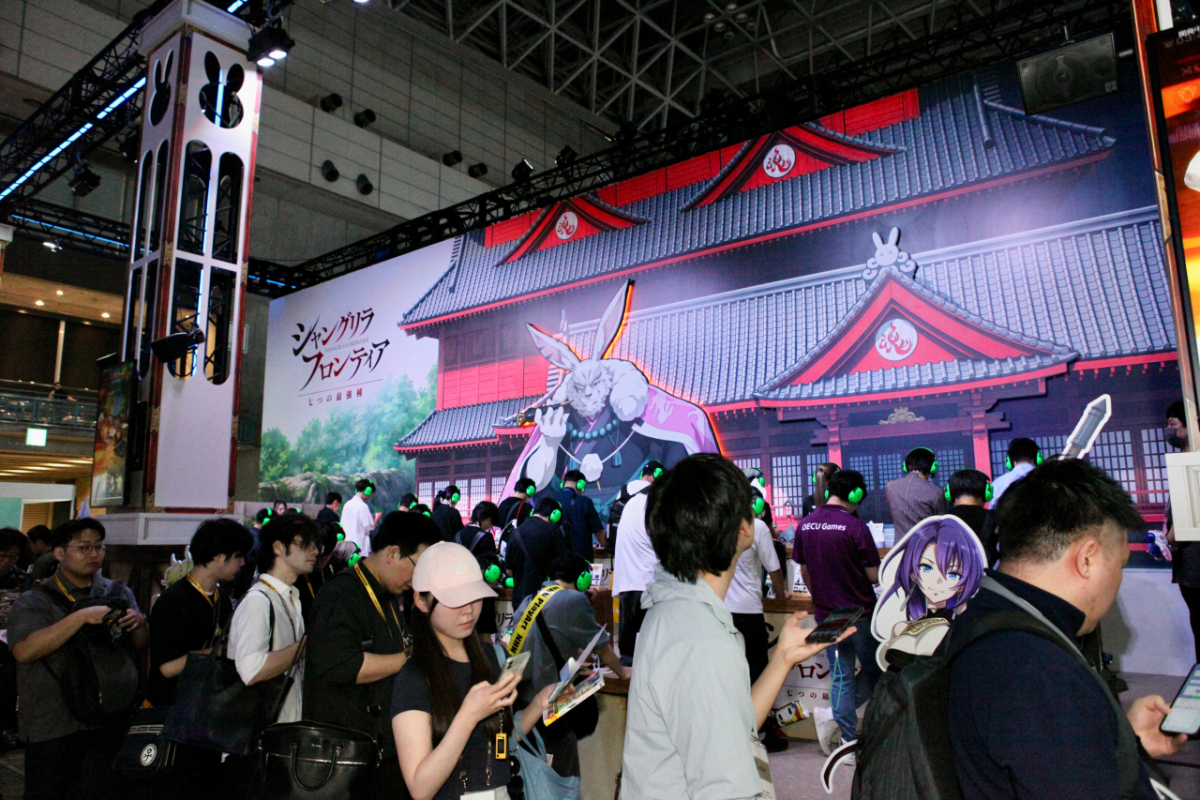
Kim highlighted the completion of recreating the original work's iconic scenes as the key message he wants to convey to Japanese gamers. He noted, "This build essentially reveals the climax of the first anime season from the very beginning. We believed this was the most honest way to show how faithfully we have recreated the source material."
He further stated, "We want players familiar with the original work to feel as though they are stepping into the scenes they know and to experience the tactile satisfaction of tag battles. Finding the balance between the comfort of auto-battle and the strategic depth of tagging, linking, and breaking was our most challenging task. We hope to verify whether we have successfully achieved this."
Regarding localization strategies for penetrating the Japanese market, Kim emphasized that they focused not merely on translation but on preserving the original work's texture as closely as possible. He explained, "We applied voice recordings newly produced by the original voice actors specifically for the game, allowing local gamers to immerse themselves in the story with familiar voices. We also maintained constant consultation with the original creator, ensuring fidelity in character speech patterns and the direction of iconic scenes."
On collaborating with the original creator, Kim remarked, "There were instances where settings we created as game-original were so well-received by the original author that they were incorporated into the official source material. One particularly memorable aspect was working together to complete characters; for example, when we proposed names for characters who appeared unnamed in the original work, the author sometimes suggested new names in return."

 in TECH

