

A recent study has found that "ginkgo leaf extract" improves walking ability in patients with "intermittent claudication," a condition characterized by discomfort such as pain in the lower body muscles during walking.
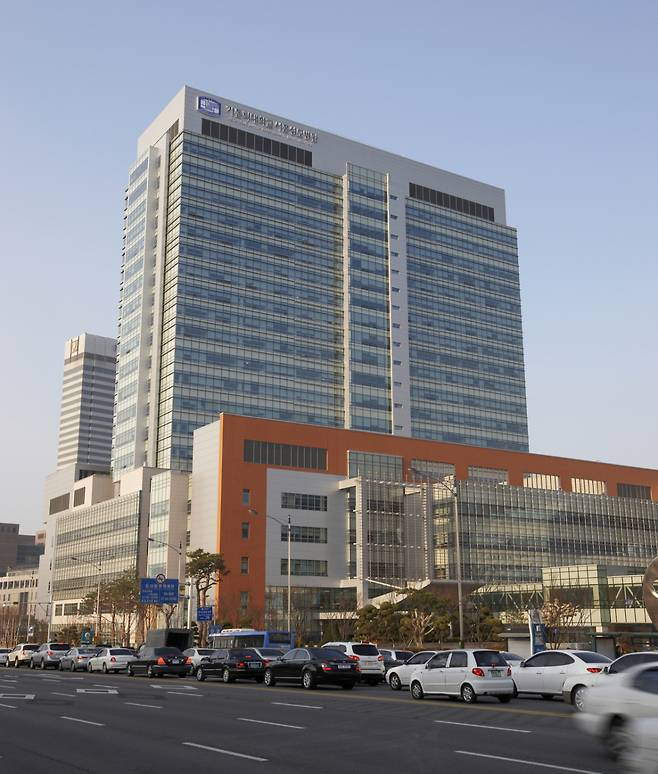
The research team of Professors Park Soon-cheol and Oh Hae-jin at Seoul St. Mary's Hospital announced on the 19th the results of a meta-analysis study that newly analyzed the efficacy and safety of ginkgo leaf extract, which has been used for intermittent claudication—a representative symptom of peripheral artery disease—based on the latest evidence. This study comprehensively analyzed domestic and international clinical trial results and was published in the international academic journal "Journal of Clinical Medicine."
The research team systematically reviewed clinical trials related to ginkgo leaf extract for intermittent claudication in patients with peripheral artery disease through major academic databases. By integrating 14 randomized, double-blind, placebo-controlled clinical trials (involving a total of 893 patients) that compared ginkgo leaf extract with a placebo, they evaluated the latest clinical evidence on the efficacy and safety of ginkgo leaf extract.
Peripheral artery disease is a condition in which blood flow decreases due to atherosclerotic occlusion of the lower limb arteries. Intermittent claudication, its representative symptom, is characterized by pain in the calves, thighs, or buttocks during walking that relieves upon rest. Treatment efficacy is generally evaluated using walking ability indicators such as maximum walking distance.
Considering that walking distance measurement conditions varied across studies, the research team analyzed efficacy based on energy expenditure (kcal) during walking. As a result, the ginkgo leaf extract group showed a statistically significant improvement in maximum walking distance (ACD) compared to the placebo group (MD 3.50 kcal, p=0.049). This corresponds to an improvement of approximately 60 meters based on actual walking distance.
A more pronounced improvement effect was confirmed in the 24th-week treatment group. In seven studies analyzing 24 weeks of treatment, maximum walking distance improved by 4.67 kcal compared to the placebo group (p<0.001). This corresponds to an improvement effect of approximately 81 meters based on actual walking distance.
The research team analyzed that such results appeared due to the long-term accumulation of ginkgo leaf extract's effects in improving blood flow, as well as its antioxidant and microcirculation-improving properties.
In safety assessments, ginkgo leaf extract showed a safety profile similar to the placebo group. No new safety issues were identified. Recent domestic multi-institutional studies also indicated that the incidence of adverse events was at a level similar to the placebo group, with no reports of serious drug adverse reactions.
This study is a meta-analysis that additionally incorporates the latest clinical trial results published since the 2013 Cochrane Review (systematic literature review). By including domestic multi-institutional clinical trial results, it more broadly evaluated the clinical evidence regarding ginkgo leaf extract's effect on improving walking distance and its safety.
Professor Oh Hae-jin explained, "Ginkgo leaf extract has been used in patients with intermittent claudication based on mechanisms such as peripheral blood flow improvement and antioxidant action." He added, "This study is significant because, by analyzing clinical trial results added since the existing Cochrane Review, it reconfirmed the previously observed walking distance improvement effect in a larger patient population and further solidified its clinical evidence."

 in THEBIO
