

Health Insurance Review and Assessment Service (HIRA) officials said Mounjaro, an obesity and diabetes drug whose active ingredient is tirzepatide, is likely to meet the criteria for coverage under South Korea's national health insurance system.
They also said prices of non-covered drugs, including obesity treatments, could soon be disclosed and compared under a new regulatory framework.
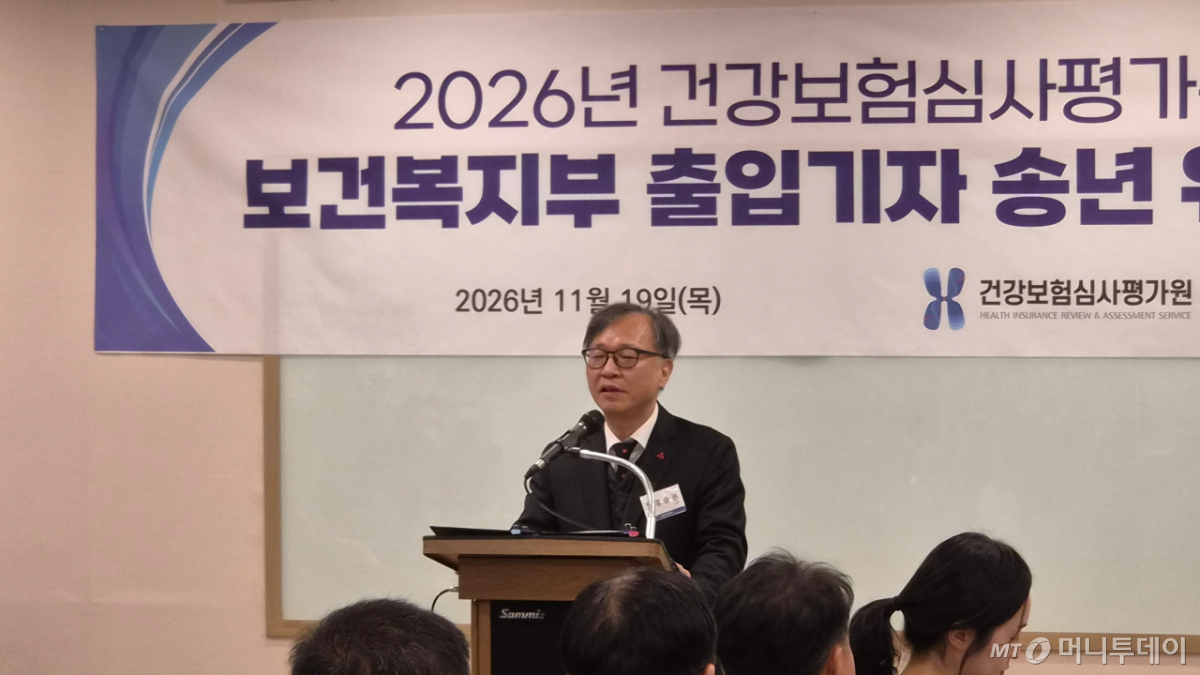
At a press briefing on Nov. 19, HIRA discussed whether Mounjaro should be covered by national health insurance for indications including type 2 diabetes in adults, for which U.S. pharmaceutical company Eli Lilly applied in June.
Lee So-young, HIRA's executive director of insurance fees, said the drug had previously been assessed as eligible for coverage, but price negotiations with the National Health Insurance Service broke down. Lilly has since reapplied with additional indications.
"After an application is filed, we generally allow 150 days to notify the pharmaceutical company of the coverage decision. The process is proceeding without any particular issues, and there is nothing significantly different from HIRA's perspective," Lee said.
Lee's remarks suggest Mounjaro is likely to pass the coverage assessment again, having already been deemed eligible in an earlier review.
If coverage is approved, the drug's price is also expected to become more reasonable. Lee said prices of non-covered obesity drugs vary widely and are often very high.
"If one of several indications becomes covered, the insurance reimbursement price could serve as a benchmark, bringing prices for the remaining non-covered indications closer to a reasonable level," Lee said.
HIRA also expects to make it possible to disclose and compare prices of non-covered drugs, including obesity treatments.
"We have established a legal basis for disclosing prices of non-covered medicines, in addition to the non-covered medical services whose prices are already made public," Lee said. "We will disclose prices of products that are major social concerns to help people make informed choices."
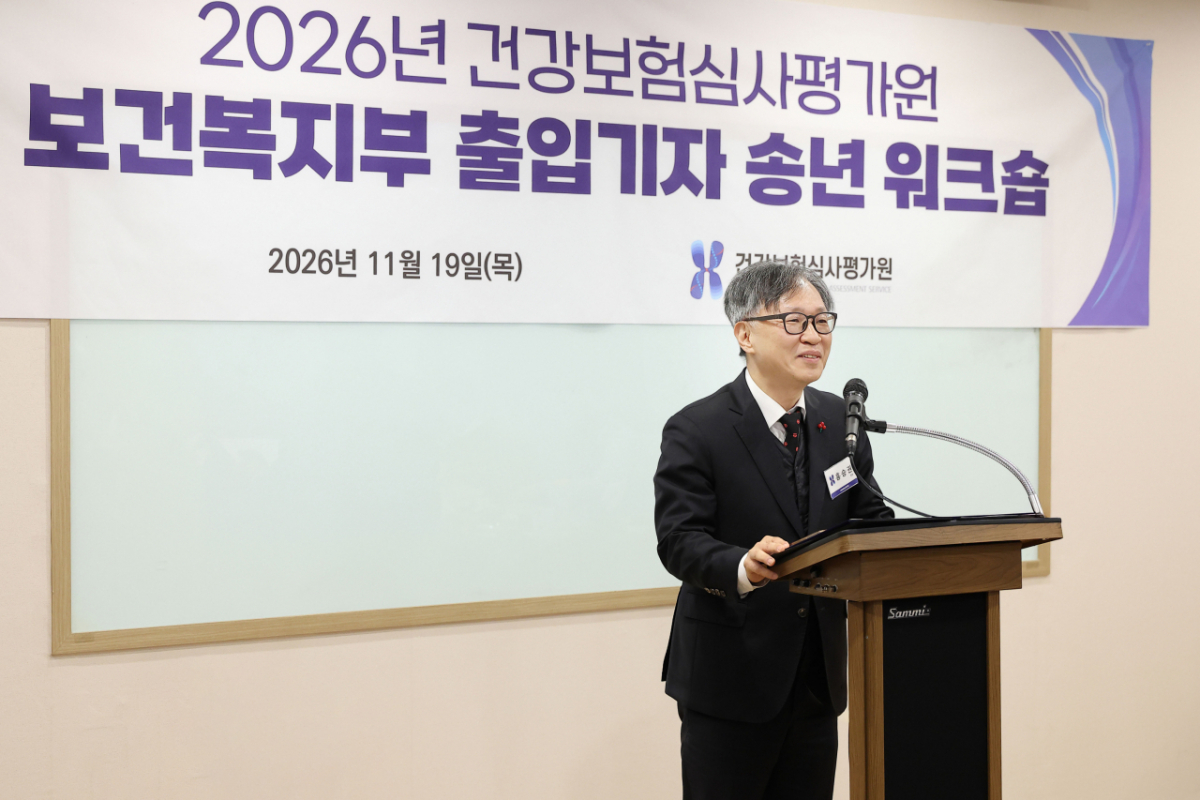
Hong Seung-gwon, director of the agency, said, "Establishing a management system for non-covered Jeonju items is a direction we must move forward in."
He added, "We have formed a Task Force (TF) with the National Health Insurance Service and the Ministry of Health and Welfare to improve the non-covered management system. We will keep this in mind and examine it closely."
Additionally, Director Hong emphasized innovation through the use of AI (artificial intelligence). He stated, "We will drive innovation in review and evaluation using artificial intelligence and data with greater momentum."
He revealed, "What I definitely want to accomplish during my term is establishing a review system that ensures medical care is clear and fair through AI." He added, "Beyond post-hoc reviews, we will develop a value-based review and evaluation system that prevents unnecessary medical utilization and prioritizes the quality of healthcare and patient health outcomes."
The plan includes using AI to create medical records, enabling medical institutions to claim medical benefits from HIRA more quickly, and automatically detecting excessive medical care to improve operational efficiency. To this end, 16 GPUs (graphics processing units) were secured from NVIDIA last month.
Hong also said, "We will strive to strengthen regional, essential, and public healthcare." He added, "We will establish an institutional foundation to ensure that essential medical services such as emergency care, childbirth, and pediatric care are provided stably, and that the efforts and expertise of medical professionals are fairly compensated."

 in THEBIO

