

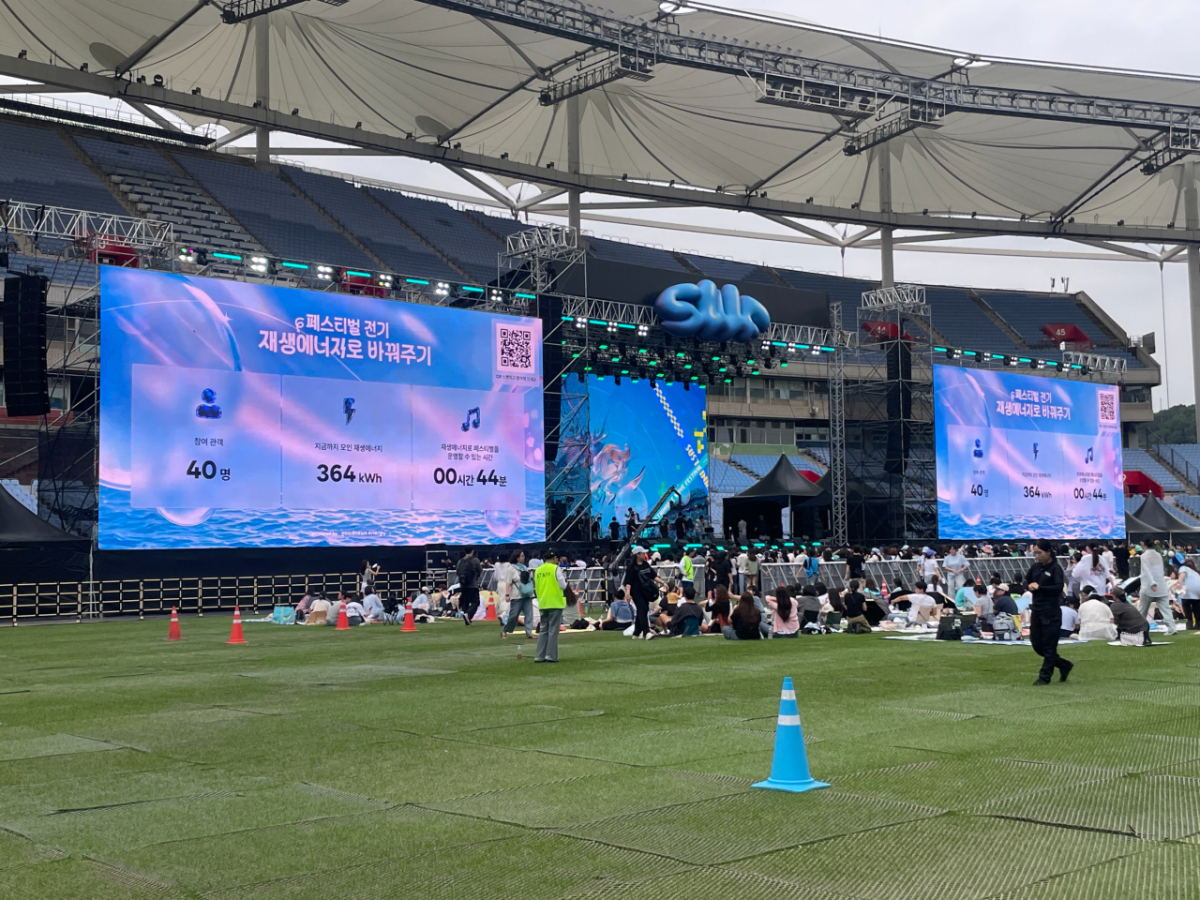
Can cafes and households also buy renewable energy? There is a way to do so without installing solar panels on roofs or signing large-scale power purchase agreements with power plants. It is "subscription," which involves purchasing renewable energy certificates for the required amount. Renewable energy distribution startup Good News Energy is one of the methods for broadening the base of energy transition.
"Making it easy even for small businesses to buy renewable energy"
Good News Energy started from the renewable energy distribution business of distributed energy IT company Sixty Hertz and was established as a separate legal entity in 2024. It handles corporate renewable energy procurement consulting, matching power generators with consumers, and settlement and administrative processing after contract signing. Among these, the model Good News Energy highlights as its differentiating factor is precisely the subscription service.
Song Min-young, director of Good News Energy, introduced in an interview with Money Today, "We are focusing on making it easy for small businesses to do so, and making it accessible to everyone."
The domestic renewable energy purchase market is formed centered around large corporations that have embarked on RE100 (procuring 100% of their electricity usage from renewable energy) implementation. Small-scale businesses or individuals may be willing to buy renewable energy, but they are at a loss as to where and how to start buying it. Good News Energy is lowering the barrier to entry for these participants with a subscription service that handles complex purchase procedures on their behalf.
There are actual users. According to Director Song, some branches of the coffee brand His Beans, which supports employment of people with disabilities, travel platforms, and small-scale performance venues are using the subscription service. Some businesses have participated since the early beta service in fall 2022, contributing opinions on report contents and improving the purchase experience. In addition to the official service for such small-scale businesses, Good News Energy expanded its user base to general individual consumers by introducing features such as automatic payment in February this year.
The core of the subscription is handling the procedures required for renewable energy purchases on behalf of users. When a user registers their usage location online and selects a subscription product, Good News Energy handles certificate purchase and matching, and issues reports. Simply put, it is a structure where certificates proving that electricity was produced from renewable energy are purchased and linked to the user's electricity consumption.
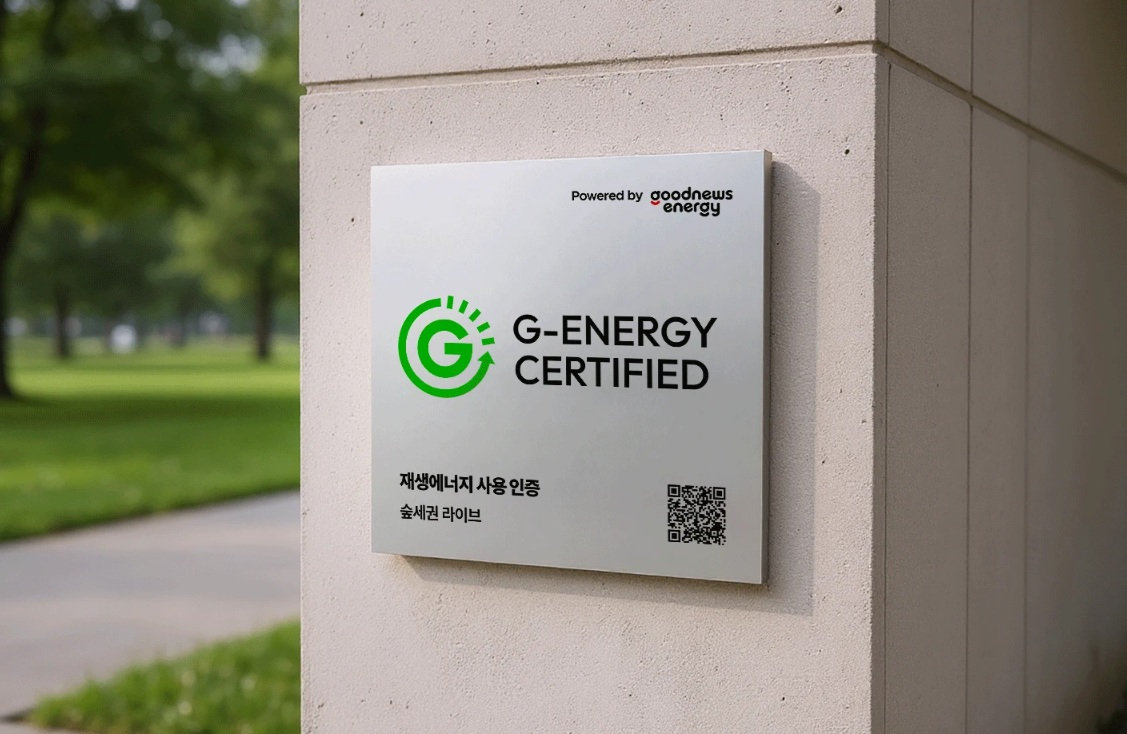
Easy connection to renewable energy… The remaining assignment is popularization
The barrier the company is trying to lower is not only on the consumer side. For small-scale power generators, the process of meeting buyers and fulfilling contracts is also a burden. Director Song explained that administrative work differs greatly when procuring renewable energy at the same scale from one large power plant versus multiple small power plants. This is because dealing with multiple small power plants requires repeating contracts and document processing to that extent.
Good News Energy is automating repetitive procedures with IT. For small-scale solar power business owners who are not accustomed to digital work, they also guide them through issuing tax invoices by viewing screens together via video calls. The core is to reduce distribution costs and practical burdens so that small power plants and small consumers can trade with each other.
Conveying the meaning of purchase to subscribers is also a challenge. It is difficult to feel what has changed in daily life just by buying certificates and confirming them through documents. That is why Good News Energy includes stories from power plants in the reports it provides monthly.
For buyers, it informs them who produced the renewable energy they chose, and for power generators, it conveys which people participated in purchases for what purposes. Director Song emphasized, "I want to narrow the distance between those who produce renewable energy and those who buy it."
There are still barriers to overcome. According to Director Song, currently, individual subscribers receive almost no financial benefits. While the meaning of participating in climate crisis response is great, to have more people participate and continue subscriptions, they must create tangible value that users can feel.
Director Song cited low awareness of renewable energy itself as the biggest challenge. He then said, "Since our core goal is for everyone from corporations to individuals to easily use renewable energy, resolving the 'strangeness' of renewable energy is the greatest task."

 in INDUSTRY

