

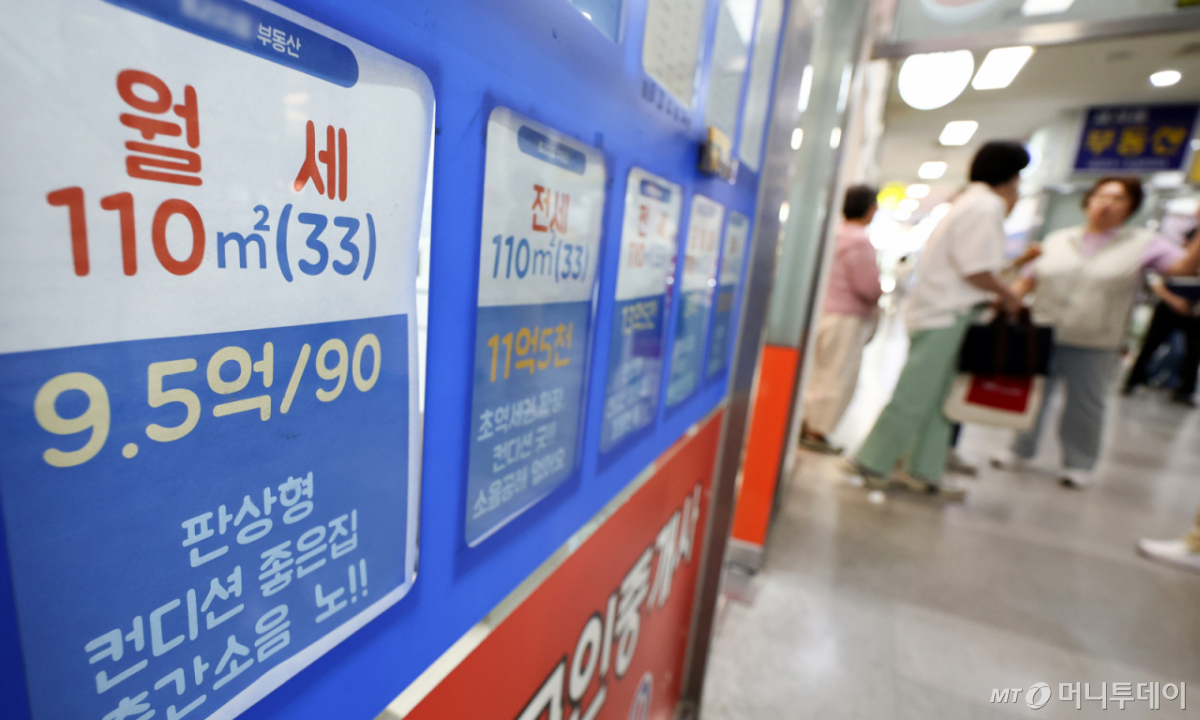
The Korea Pension Service is considering domestic rental housing as an alternative investment, based on the judgment that profitability can be secured due to structural changes in the domestic housing market. As residential real estate rentals rapidly reorganize from being jeonse-centered to wolse-centered, sufficient investment returns are expected. This is also why global pension funds and asset management companies are expanding their investments in Korea's rental housing market.
According to relevant industry sources on the 5th, APG, one of the world's three largest pension funds, established a $300 million 'Korea Living Venture' earlier this year for investment in Korea's rental market, together with real estate investment firm Bau Invest and U.S.-based asset management firm Tishman Speyer. They plan to invest a total capital of up to 1 trillion won, including financial procurement, to acquire and develop major rental housing assets in Seoul and the metropolitan area.
The inflow of global capital into Korea's rental market is already spreading. The Canada Pension Plan Investment Board (CPPIB) established a joint venture with domestic co-living company MGRV and invested 133 billion won domestically. Morgan Stanley is working with SK D&N, while the global private equity fund KKR is rapidly securing rental housing assets in the metropolitan area together with Hong Kong-based co-living company WeLive.
The fundamental change in market structure underlies the efforts of major foreign investors to target Korea's residential rental market. In the past, the high proportion of jeonse made it difficult for institutional investors to collect regular and stable rental income, but the prolonged period of high interest rates and the aftermath of jeonse fraud have intensified the preference for wolse. Additionally, the surge in one- and two-person households and the influx of foreign students and workers have solidified the demand base.
On the other hand, long-term rental housing supplied by the private sector currently falls short of 100,000 units nationwide, indicating a severe shortage of quality supply. If this continues, the imbalance between supply and demand in key areas of the metropolitan area is likely to lead to sustained rent increases in the future.
The Korea Pension Service is also actively considering ways to include rental housing as a new alternative investment asset class to contribute to housing stability while maximizing returns. The government announced last year that it would supply 100,000 units of new-type long-term private rental housing and 50,000 units of complex development public rental housing by 2035. New-type long-term private rental housing is a corporate-type private rental housing model where corporations construct and supply large-scale complexes of at least 100 units per site through REITs and other means, leasing them for more than 20 years.

 in ECONOMY
