

From now on, the non-recognition period for entrepreneurs restarting in the same industry after closing their individual businesses will be shortened from three years to one year. The goal is to minimize the gap following an entrepreneur's failure and promote rapid restarts based on experience. However, there are concerns that cases of abuse—repeatedly closing and reopening businesses to secure government startup support funds—may increase.
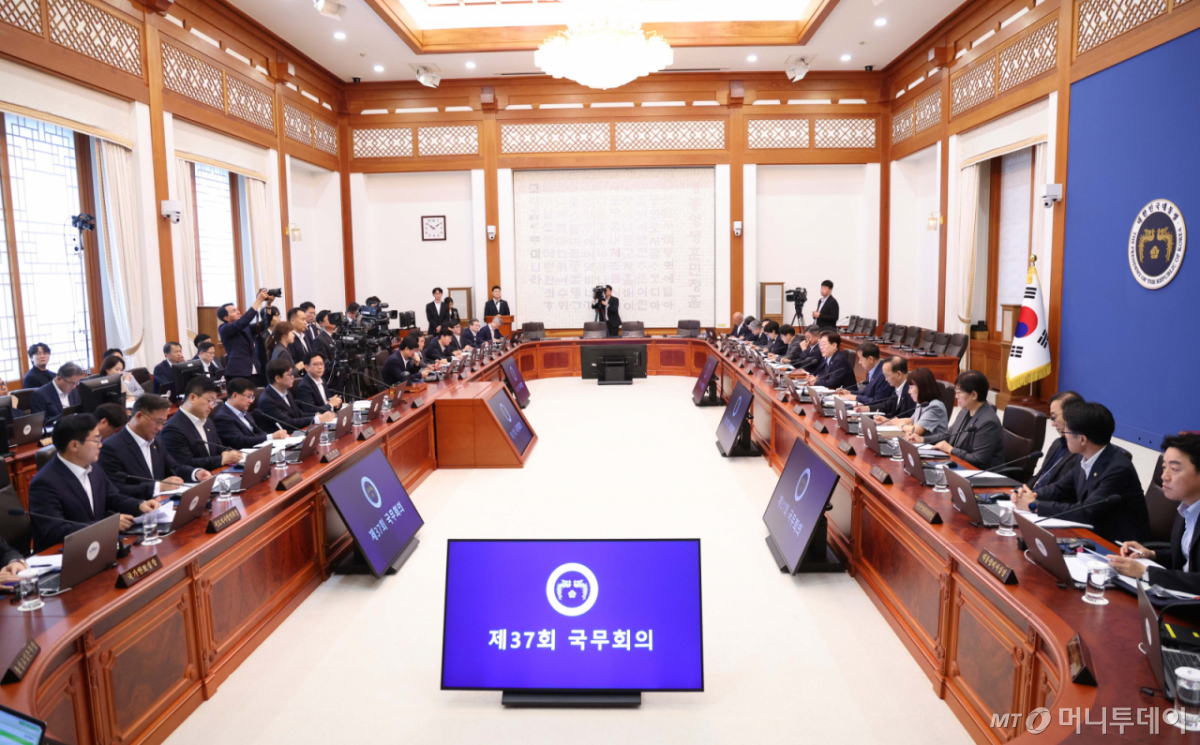
The Ministry of SMEs and Startups announced that it approved a partial amendment to the Enforcement Decree of the SME (small and medium-sized enterprise) Startup Support Act at the State Council meeting on the 25th. The decree defines reasons for excluding startups from support programs to prevent duplicate benefits in startup support initiatives. Under the current rules, if an individual business closes and then establishes a new individual or corporate entity in the same industry, it must wait three years after closure before being recognized as a startup eligible to participate in government-backed startup support programs.
The Ministry of SMEs and Startups explained that opinions were raised suggesting that the three-year period is too long given the rapidly changing startup environment driven by artificial intelligence (AI) and technology convergence, which limits rapid restarts based on experience. Additionally, it noted that according to the "2023 Startup Enterprise Status Survey" conducted last year, the actual preparation time required for restarting in the same industry averages within 11 months, even considering foreign investors. Therefore, the non-recognition period for restarting in the same industry will be shortened to one year.
Under the SME (small and medium-sized enterprise) Startup Support Act, once recognized as a startup, entrepreneurs gain access to various programs and funding sources including: Pre-Startup Package, Early Startup Package, Youth Startup Academy, Startup-Focused Universities, Leap Forward Package, Startup Growth Technology Development Project, TIPS, and Korea Venture Corporation Innovation Startup Commercialization Funds.
Critics have pointed out since the public notice in April that this decree could enable repeated startup and closure cycles aimed at securing policy funds—so-called "fake startups"—given the lack of procedures to verify past legal violations or intentional business closures. <☞MoneyToday April 20 issue [Exclusive] Even after failure, can you restart in the same industry after one year? Startup support doors wide open… Concerns over 'loopholes' Reference>
The amended decree is scheduled to take effect in September. Enterprises that began operations before the amendment may still qualify under the revised startup recognition criteria if less than seven years have passed since their initial operation start.
Cho Kyung-won, Minister of Startup Policy at the Ministry of SMEs and Startups, stated, "We expect this amendment to minimize the gap following failures, activate restarts, and foster a virtuous cycle within the startup ecosystem. Moving forward, we will continue to improve systems to promote startups by reflecting on-the-ground voices."
[MoneyToday Startup Media Platform Unicorn Factory]

 in FUTURE
