

In the future, measures against unfair practices will be strengthened, including the disclosure of additional subsidies from retail stores alongside the common subsidies provided by mobile carriers.
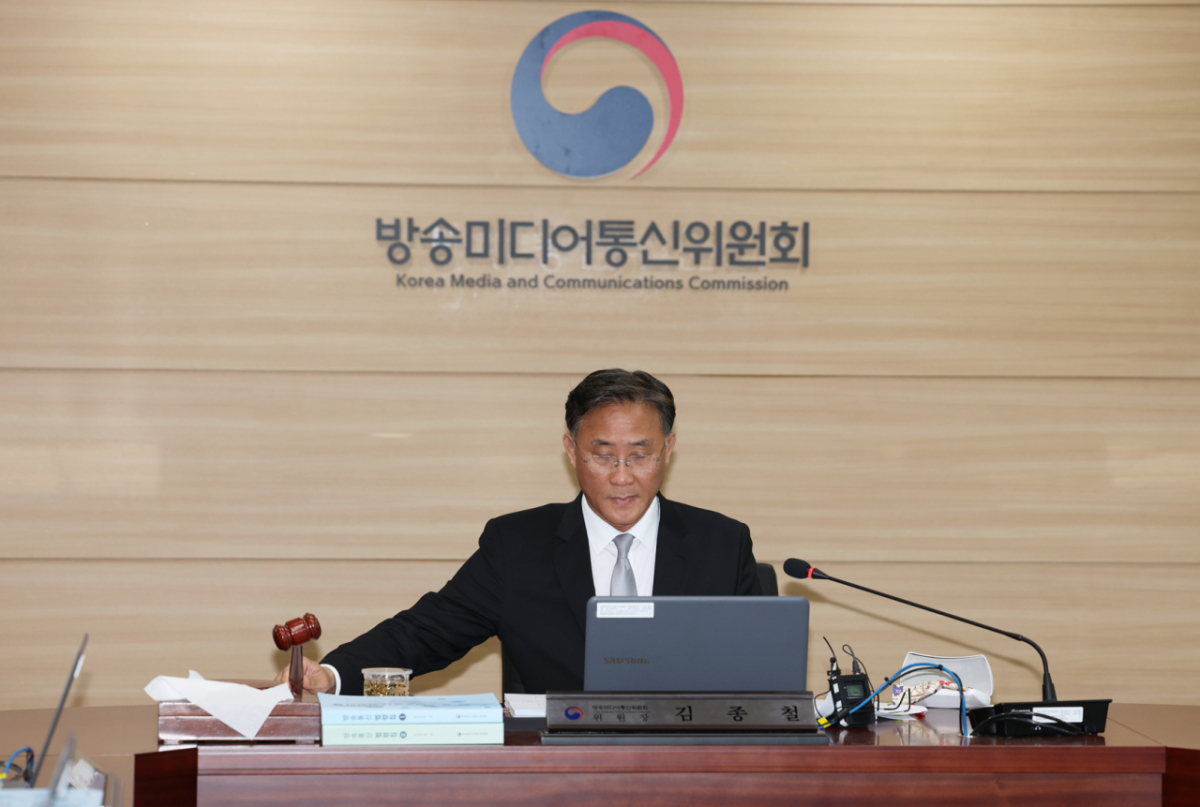
On the 16th, the Radio and Media Communications Committee held the "35th Plenary Session of 2026" to deliberate and approve policy measures and their detailed implementation plans for "creating a healthy distribution environment for mobile communication terminals," aimed at enhancing user rights and preventing unfair practices.
These measures were established in accordance with the revised Telecommunications Business Act following the abolition of the Mobile Terminal Fair Trade Act (Mobile Terminal Fair Trade Act) last July, which included regulations on subsidy caps. The goal is to promote market competition while protecting users from undue subsidy discrimination and false or exaggerated advertising.
The policy measures are divided into five areas: eliminating unfair distribution practices, systematic market monitoring, improving user access to information, preventing user harm, and promoting self-regulatory activities.
The Radio and Media Communications Committee will conduct inspections to prevent mobile carriers and manufacturers from using sales promotion subsidies to instruct or induce users to subscribe to high-priced plans or additional services. However, recognizing that post-facto regulation has limitations in detecting and penalizing all market violations, the committee plans to establish a "Distribution Environment Improvement Council" involving experts, telecommunications companies, manufacturers, and relevant organizations.
Additionally, the Radio and Media Communications Committee will continue and intensify systematic market monitoring together with the three major mobile carriers, manufacturers, MVNOs (mobile virtual network operators), and retail stores. While past efforts focused on checking total subsidy amounts and excessive subsidies, future inspections will prioritize identifying unfair practices such as "unjustified discrimination" and user harm.
Furthermore, policies will be promoted to clearly provide users with information on subsidies and plan usage. Mobile carriers will implement improvements by automatically sending notification messages when the agreed-upon plan maintenance period (e.g., "maintaining the plan for six months") expires, enabling users to select suitable plans. Additionally, beyond the currently disclosed "common subsidy" (formerly "public disclosure subsidy") information from mobile carriers, standard formats will be prepared and published for additional subsidy information from retail stores.
Moreover, to robustly protect the rights of mobile communication users, efforts will be made to encourage retail stores to clearly state subsidy payment conditions in contracts, with strengthened inspections. In cases of harm caused by inadequate contract preparation, a "user-participation reporting system" will be activated, allowing users to directly report issues along with supporting documentation.
Finally, measures will be promoted to encourage self-regulation by telecommunications companies and distribution networks to prevent incomplete sales. To address responsibility gaps such as sales staff leaving without paying promised subsidies during the contract process, the "sales responsibility system," which registers and manages sales personnel, will be expanded. Management and supervision of agencies will also be strengthened to block incomplete sales practices by unauthorized (unqualified) sales outlets.
To effectively implement the policies announced today, the Radio and Media Communications Committee plans to promptly establish the "Distribution Environment Improvement Council" to fulfill policy tasks while continuously promoting user protection policies, including regular inspections for unfair practices in the terminal distribution market.

 in TECH
