

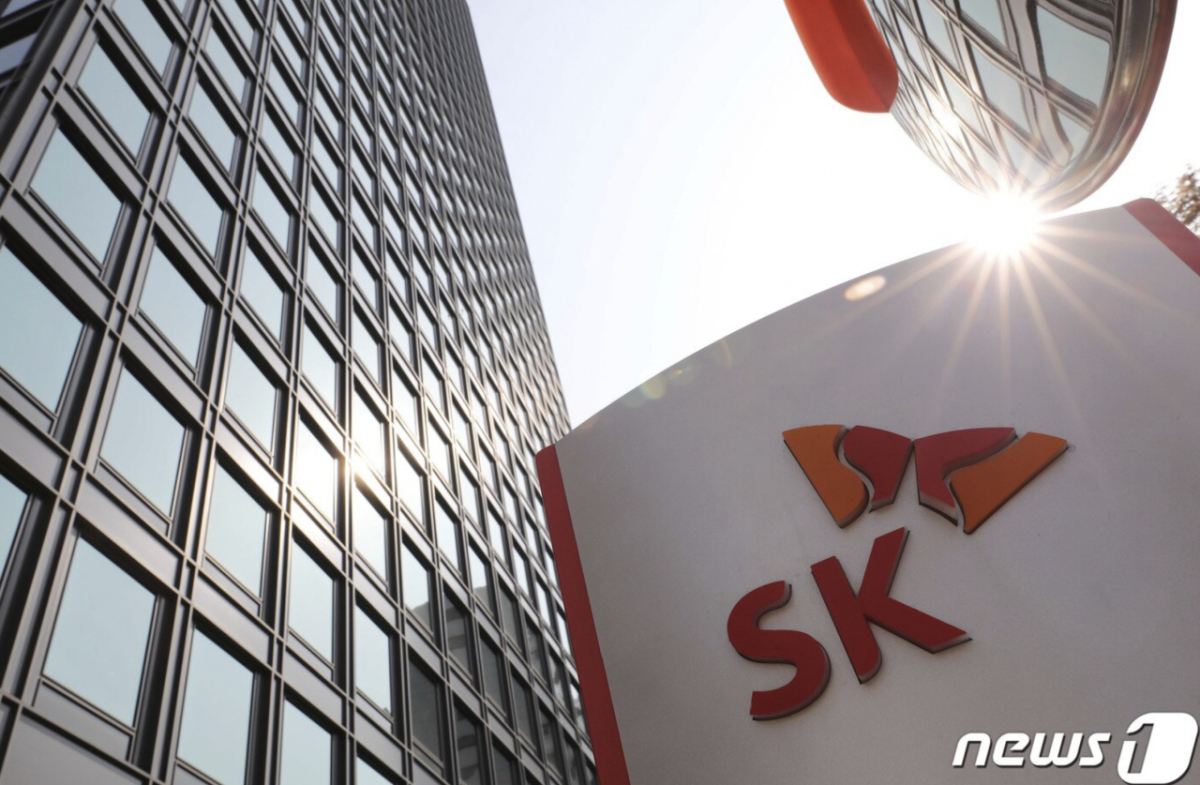
SK Innovation announced on the 30th that its consolidated revenue for the second quarter of this year reached 29.1572 trillion won, with an operating profit of 3.4873 trillion won. Revenue increased by 49.9% compared to the same period last year, and the company turned a profit in operating income. The improved performance of its lubricant and battery businesses drove these strong results.
In fact, SK Enmove recorded an operating profit of 691.9 billion won, an increase of 503.4 billion won from the previous quarter. Margins in the base oil business rose due to supply disruptions among major competitors in the Middle East, leading to expanded performance focused on sales in key global markets. SK Enmove has continued to strengthen its stable supply capabilities by leveraging the competitiveness of its premium Group III lubricants and its global production and sales network, even amid geopolitical risks.
SK On's battery business also posted an operating profit of 821.8 billion won, improving its operating loss by 1.171 trillion won from the previous quarter and turning profitable. This was driven by increased sales in Asia, receipt of customer compensation payments, and higher tax credit amounts under the U.S. Inflation Reduction Act (IRA).
SK On has completed the termination procedures for its joint venture "Blue Oval SK" with Ford and launched its standalone "SK On Tennessee" plant, advancing efforts to ease financial burdens and enhance profitability through restructuring of its battery business. Going forward, the company plans to achieve a qualitative transformation in its business portfolio—including structural cost reductions, improved profitability, and expanded energy storage system (ESS) orders—through continuous portfolio rebalancing, thereby driving performance improvements.
In the refining business, strong results continued into the second quarter due to lagging effects and inventory gains from rising oil prices. However, after the signing of a peace memorandum of understanding (MOU) between the United States and Iran in June, expectations of reduced geopolitical risks led to a decline in oil prices, causing overall profit levels to shrink compared to the previous quarter. SK Energy, which operates the refining business, reported an operating profit of 651.2 billion won for the second quarter, of which approximately 560 billion won was attributable to inventory-related gains.
SK Innovation forecasts that the petroleum market in the third quarter will moderate somewhat due to OPEC+ production increases and rising equipment utilization rates across Asia, which are expected to ease upward trends in oil prices and refining margins. However, given the high volatility anticipated from changes in traffic through the Strait of Hormuz and the Red Sea, the extent of damage to Russian refineries, and shifts in crude oil and petroleum product supply-demand flows, the company plans to respond with flexible operations tailored to market changes.
In the lubricant business, volatility is expected depending on when the blockade of the Strait of Hormuz is lifted. However, once competitor supply disruptions are resolved in the third quarter, base oil spreads are likely to decline. Accordingly, SK Innovation intends to further strengthen its leadership in the Group III market by leveraging its stable supply capabilities based on multiple production sites.
The battery business is also expected to see profitability improvements from fixed cost reductions due to portfolio rebalancing efforts in the second half of the year and continued operational efficiency enhancements. Additionally, the company aims to secure medium- to long-term profitability momentum by expanding sales of electric vehicle batteries, increasing response capabilities for additional ESS orders, and accelerating order growth centered on customers such as AI hyperscalers and power companies.
An SK Innovation official stated, "Amid ongoing uncertainties in the Middle East, we will do our utmost to ensure stable supply of petroleum products while continuously working to improve operational efficiency and profitability through flexible responses to market changes."

 in INDUSTRY
