

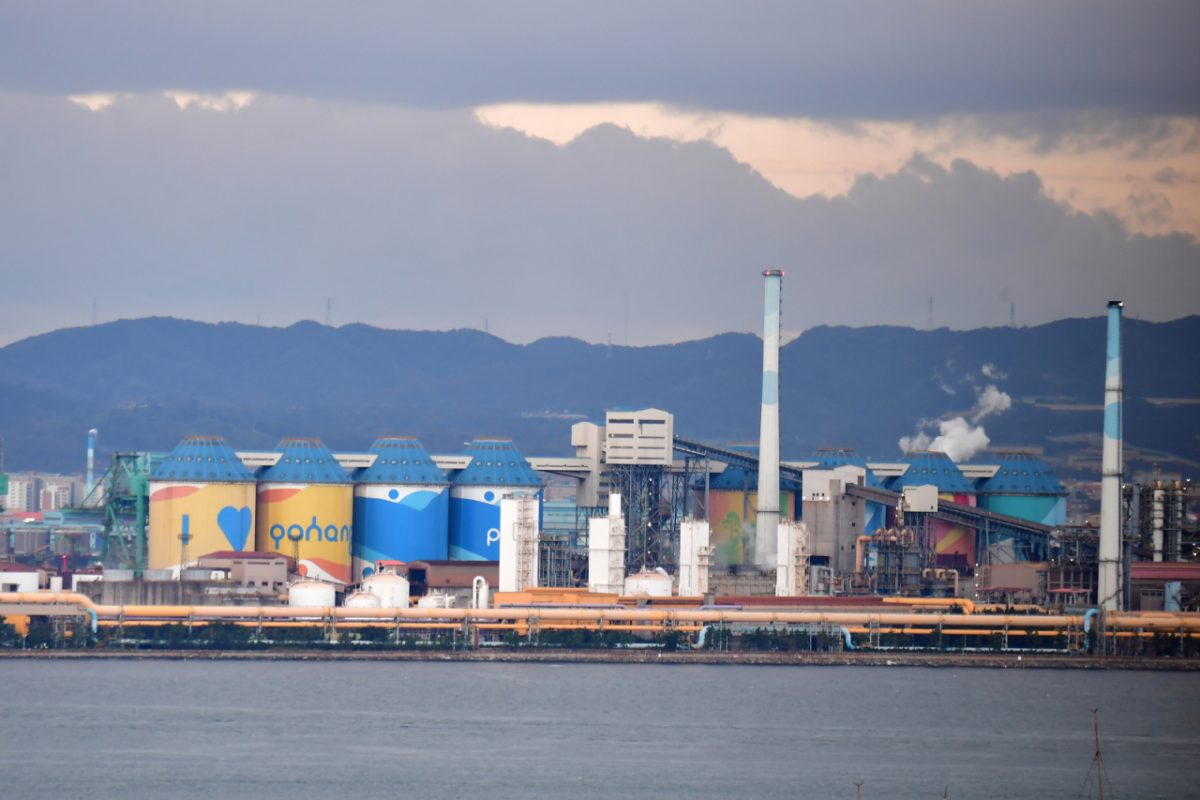
As domestic steel and shipbuilding industries have successively launched partial strikes and announced plans to expand their scale, attention is turning to whether wage and collective bargaining agreement (CBA) negotiations will be concluded. While there are currently no production disruptions, concerns are rising that prolonged strikes could significantly increase management burdens.
According to relevant industry sources on the 15th, wage negotiations between POSCO labor and management, which had been suspended since the 3rd, resumed at Pohang headquarters in the afternoon after a 12-day break. Prior to this, the POSCO union had launched a first-round partial strike lasting 48 hours starting from the 9th due to lack of progress in negotiations. This marked the first strike in POSCO's history. At that time, a total of 120 workers participated, including 20 from Pohang Steelworks and 100 from Gwangyang Steelworks.
The POSCO union indicated that if no progress is made during today's negotiations, it plans to launch a second-round partial strike starting on the 16th. The strike duration has been announced as 120 hours, longer than the first round.
It was reported that significant differences remain between labor and management. The union demanded a 7.1% base wage increase, a 600% bonus, and 50 shares of Lisa stock, while management proposed a 2.0% base wage increase along with one-time payments totaling 40 thousand won. POSCO explained that given the current downturn in the steel industry and its ongoing emergency management measures, it is difficult to fully accept the union's demands. In particular, accepting all union proposals is estimated to incur costs of approximately 1.4 trillion won. POSCO's operating profit for the first half of this year was 751.1 billion won, a decrease of about 33% compared to the same period last year.
During the first strike, management deployed available personnel, and key production processes such as blast furnaces, steelmaking, and continuous casting operated normally, resulting in no significant production disruptions. POSCO maintains that even if additional strikes occur, it will activate emergency response systems to minimize any production issues.
The situation is similar in the shipbuilding industry. The HD Hyundai Heavy Industries union began a partial strike in certain areas starting from the 10th and has now announced a 7-hour partial strike involving all members on the 16th. The key issue in negotiations between HD Hyundai Heavy Industries labor and management is profit sharing. While the union demands that at least 30% of the company's operating profit be allocated as a fund for profit sharing, management finds it difficult to accept this proposal.
Additionally, the union demanded a monthly base wage increase of 149,600 won (excluding seniority-based increases), a 100% bonus increase, inclusion of vacation and congratulatory allowances in regular wages, and expanded hiring for new recruits. Management proposed a monthly base wage increase of 110,000 won (including 47,000 won for seniority-based increases) and a 200% bonus plus 10.5 million won (including 500,000 won in gift certificates).
In other shipbuilding companies, performance bonuses are expected to be the core issue in this year's collective bargaining agreements. Hanwha Ocean is conducting both the 22nd round of main negotiations and practical discussions to narrow differences.
Most domestic steel and shipbuilding companies are continuing behind-the-scenes negotiations with the goal of reaching an agreement before Chuseok. An industry official noted, "Production disruptions from immediate partial strikes are not expected to be significant," but also pointed out, "It is true that prolonged strikes could significantly increase management burdens."

 in INDUSTRY
