

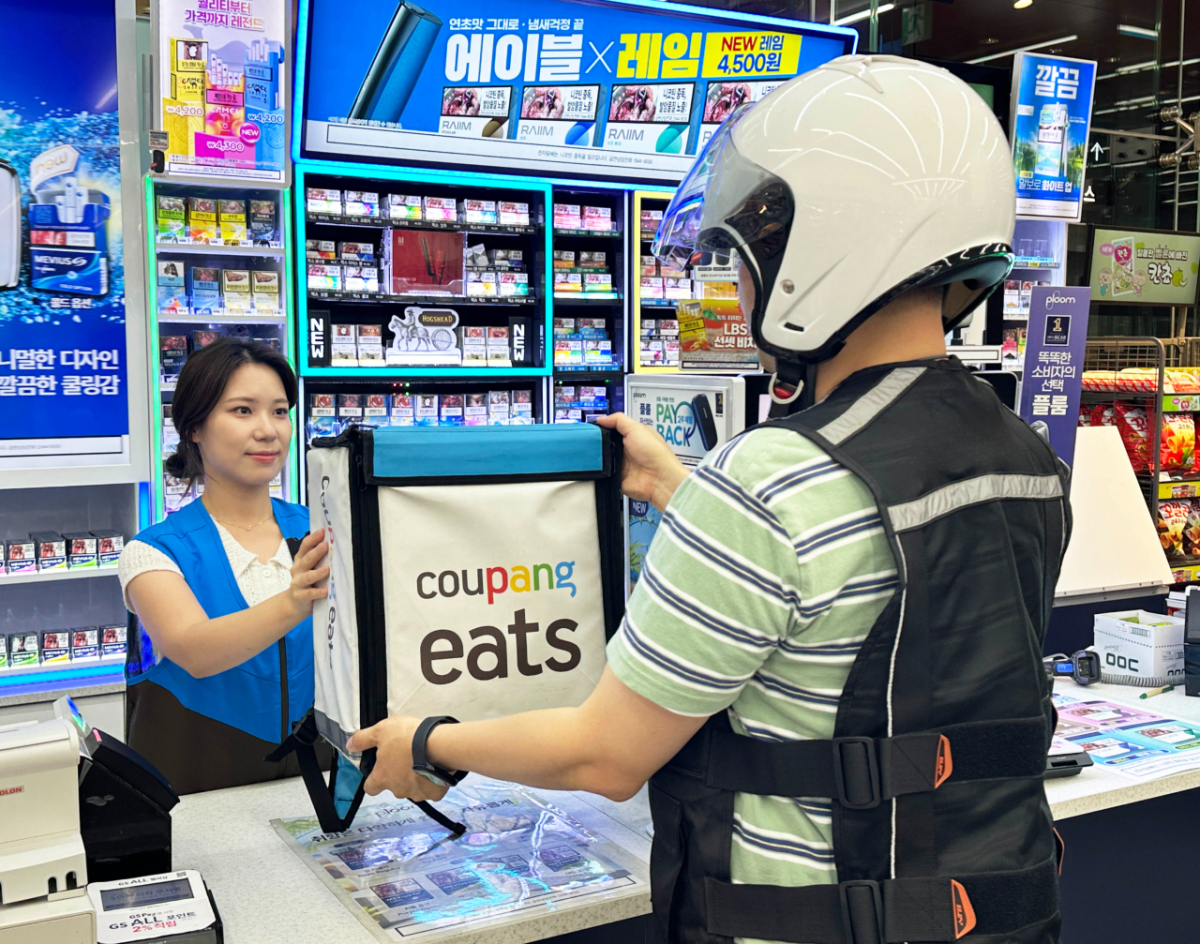
The domestic convenience store industry has shattered its record for monthly payment volume, driven by the success of quick commerce (rapid delivery) services and penetration into the fresh food niche market. This marks a turnaround from concerns over saturated store counts and slowing growth, as companies improve their business structures.
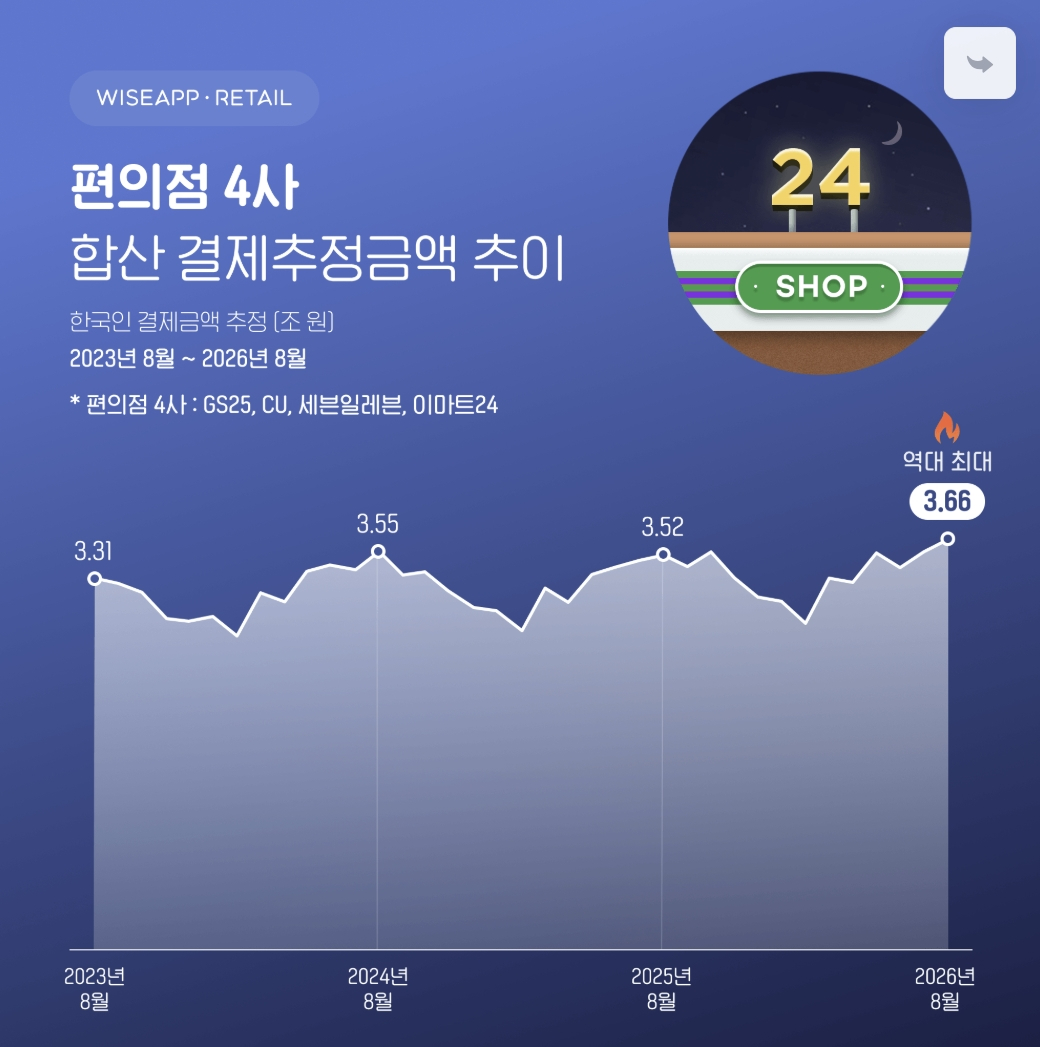
According to app analytics service WiseApp Retail on the 18th, the combined estimated payment amount for August this year across four major domestic convenience store brands (GS25, CU, 7-Eleven, and E-Mart24) totaled 3.66 trillion won.
This surpasses the previous record of 3.55 trillion won set in August 2024, marking a new all-time high. It represents an increase of approximately 11% compared to the estimated payment amount of 3.31 trillion won in August 2023, three years ago.
GS25 recorded the highest estimated payment volume among convenience store brands in August. When GS25's estimated payments are set at 100, CU was calculated at 96.1, 7-Eleven at 47.1, and E-Mart24 at 22.0.
The total number of unique customers across the four convenience stores during August was surveyed at 39.02 million. The average number of transactions per customer was 15.2 times, with an average transaction amount of 6,165 won per visit. Sales by gender showed males accounted for 71.1%, higher than females at 28.9%.
Convenience stores have traditionally focused on cigarettes, snacks, and beverages as core products, but recently expanded their product lines to include ready-to-eat meals, fresh foods, and daily necessities.
In particular, convenience stores have strengthened their quick commerce services that deliver within one hour of ordering, leading to a significant surge in related sales.
According to industry sources, CU's quick commerce sales increased by 205% in July and August this year, while E-Mart24 (182%), 7-Eleven (150%), and GS25 (74.9%) also saw their sales rise in tandem. This is attributed to effective strategies strengthening delivery through connections with their own apps and delivery platforms such as Baemin and Coupang Eats.
Convenience stores are also increasingly strengthening their competitiveness in the fresh food market. Stores specializing in fresh foods, which have expanded the proportion of grocery items such as agricultural, livestock, and aquatic products, tofu, and eggs, have achieved results.
GS25's Fresh Concept Store (FCS), a store format focused on enhancing fresh food offerings, grew from just three locations in March 2021 to surpassing 1,000 stores by August this year. It is expected to exceed 1,100 stores before the end of the year. GS25's quick commerce sales for fresh foods in the first half of this year increased by 450% compared to the same period last year. The average daily sales of FCS stores are reported to be 1 million won higher than those of regular stores, translating to monthly sales of approximately 0.3 billion won and annual sales exceeding 360 million won.
CU's growth rate for food ingredient sales has maintained double-digit growth annually: 24.2% in 2023, 18.3% in 2024, 18.7% in 2025, and 20.0% in 2026 (January to August). CU plans to expand its "grocery-specialized stores," which stock primarily fresh foods like fruits and vegetables in residential areas, from the current 300 locations to 500 by year-end.
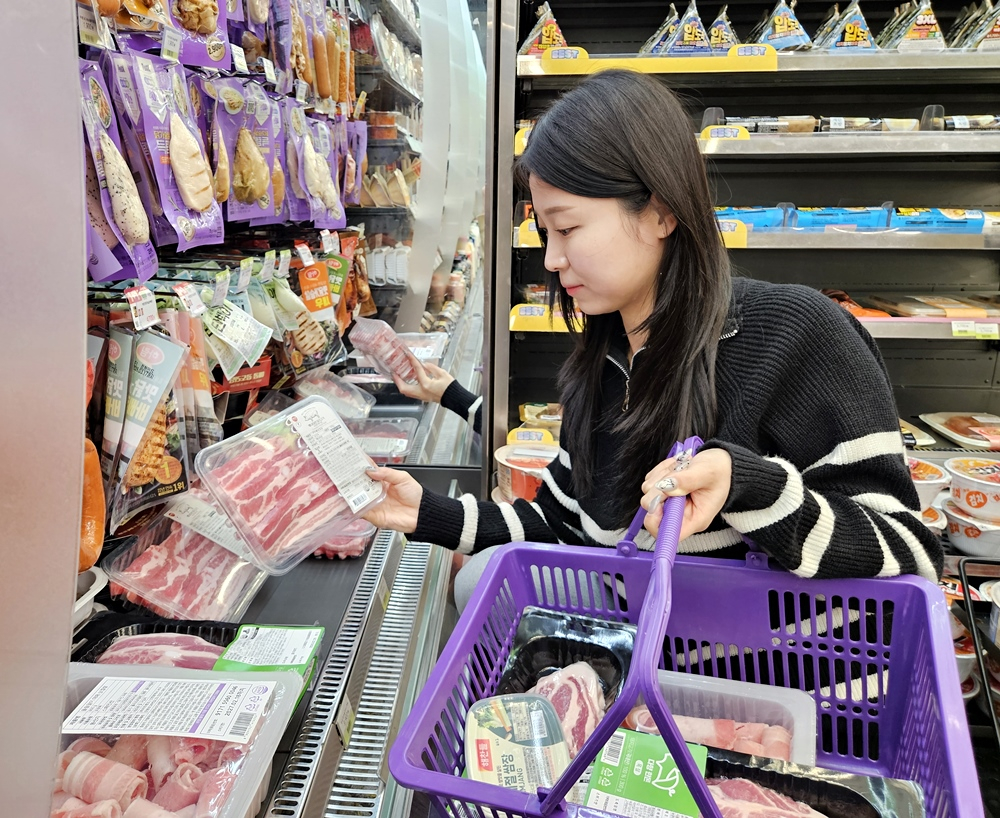
7-Eleven is also currently operating over 100 fresh food-specialized stores nationwide. At large supermarket locations in Seoul and the surrounding metropolitan area, sales of fresh foods such as fruits, eggs, and vegetables increased by more than 50% compared to usual levels during mandatory closure days.
Due to these shifts in consumer trends, the share of cigarette sales, which once accounted for more than half of convenience store revenue, has declined. According to CU, the proportion of cigarette sales dropped from 41% in 2018 to 35.9% in the second quarter of this year, a decrease of 5 percentage points.
An industry official explained, "The expansion of convenience stores beyond their traditional core product lines such as cigarettes, kimbap, and beer into fresh foods reflects regulatory measures on mandatory closure days for large supermarkets and enterprise-type supermarkets, as well as the growing demand for small-packaged goods from one- and two-person households."

 in LIVING


